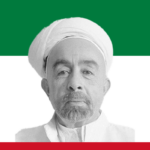
List of Kings of Jordan
King Abdullah I (1946–1951)
King Abdullah I was the founder of the Hashemite Kingdom of Jordan. He played a pivotal role in securing Jordan’s independence from British mandate in 1946. Abdullah focused on establishing governmental institutions, maintaining internal stability, and consolidating Jordan’s territories, including the annexation of the West Bank after the 1948 Arab-Israeli war. He was known for his pragmatic diplomacy but was assassinated in 1951 while visiting Jerusalem, leaving a legacy of state-building and international recognition for Jordan.
King Talal (1951–1952)
King Talal, the son of Abdullah I, ascended the throne after his father’s assassination. Despite his short reign, Talal introduced significant reforms, including a modern constitution in 1952, which laid the groundwork for parliamentary governance and civil liberties in Jordan. Unfortunately, his reign was cut short due to health issues, leading him to abdicate in favor of his son.
King Hussein (1952–1999)
King Hussein, one of the most iconic leaders of the Middle East, ascended the throne at the age of 16. His nearly five-decade reign was marked by efforts to modernize the country, navigate complex regional conflicts, and maintain national unity. King Hussein played a crucial role in the 1970s and 1980s in stabilizing Jordan during periods of regional turmoil, including wars in neighboring countries and internal political challenges. He is remembered for signing the historic 1994 peace treaty with Israel, strengthening Jordan’s international standing, and promoting social and economic development.
King Abdullah II (1999–present)
King Abdullah II, the son of King Hussein, has continued the Hashemite legacy with a focus on economic reform, modernization, and political stability. Under his leadership, Jordan has navigated challenges such as regional conflicts, refugee crises, and economic pressures. King Abdullah II emphasizes education, technology, and infrastructure development while maintaining Jordan’s moderate and influential role in Middle Eastern diplomacy. His reign continues to strengthen Jordan’s global ties and national resilience.
The monarchy of Jordan has consistently been a symbol of stability and continuity. From the foundational leadership of King Abdullah I to the contemporary reforms of King Abdullah II, Jordan’s kings have guided the nation through the complexities of regional politics and internal development, securing its place as a moderate and stable state in the Middle East.