KINGS OF DENMARK
Kings of Denmark
Denmark has one of the oldest monarchies in the world. Danish kings have ruled the country for more than a thousand years. They played an important role in building the nation, protecting the kingdom, and spreading Danish culture. Over time, the power of the kings changed from absolute rule to constitutional monarchy. Today, the Danish monarch mainly performs ceremonial duties and represents the country internationally.
LIST OT KINGS OF DENMARK
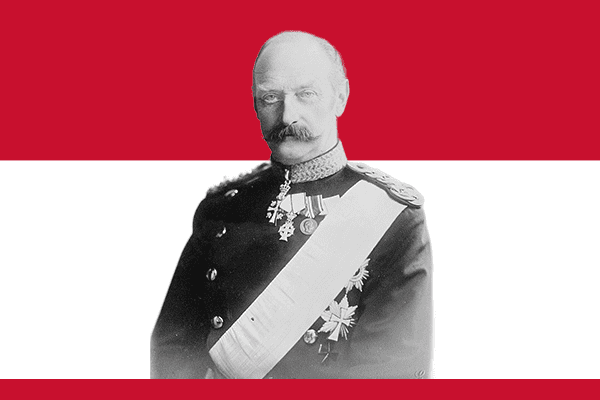
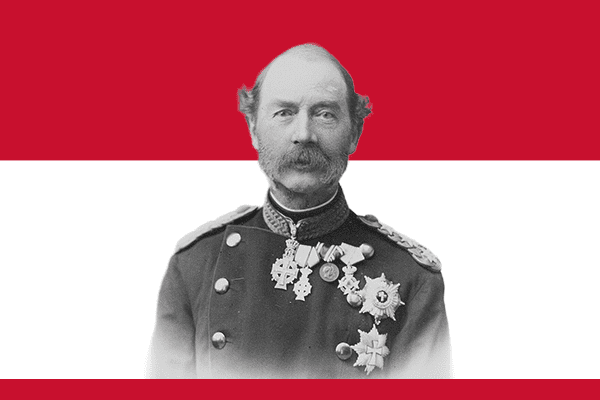
Early Danish Kings
The history of Danish kings began during the Viking Age. One of the earliest famous kings was Gorm the Old, who ruled in the 10th century. He is often called the first officially recognized King of Denmark. His son, Harald Bluetooth, became well known for uniting Denmark and introducing Christianity to the Danish people. Harald built important monuments and strengthened the kingdom.
Another famous ruler was Canute the Great. He ruled Denmark, England, and Norway during the 11th century. His empire made Denmark one of the strongest powers in Northern Europe.
Medieval and Renaissance Kings
During the Middle Ages, Danish kings faced many wars and political struggles. Valdemar IV worked hard to rebuild Denmark after difficult times. He improved the economy and regained lost territories.
In the Renaissance period, kings focused on trade, culture, and royal authority. Christian IV became one of the most famous Danish rulers. He ruled for nearly sixty years and built many castles, churches, and cities. Under his leadership, Denmark became stronger in trade and naval power.
Absolute Monarchy
In 1660, Denmark became an absolute monarchy, meaning the king held complete power. Frederik III introduced this system. Later kings continued to rule with strong authority. However, political changes in Europe slowly reduced royal power.
In 1849, Denmark adopted a constitution that limited the king’s authority and created a democratic government. From then on, Danish kings served mainly as constitutional monarchs.
Modern Danish Kings
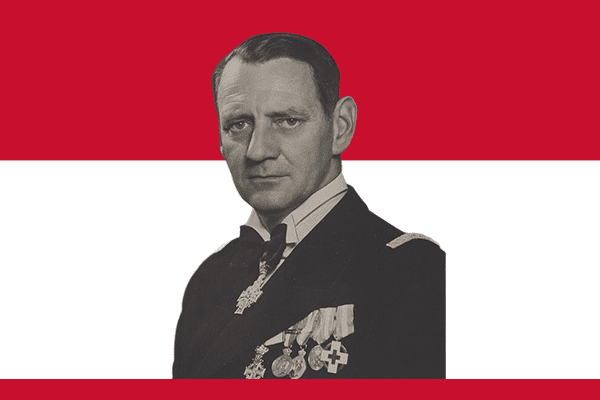
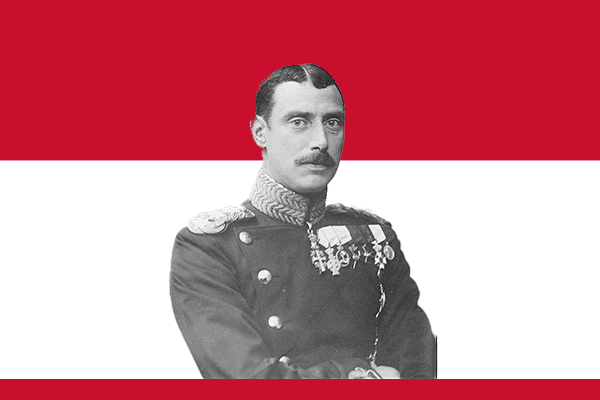
Modern Danish monarchs represent national unity and tradition. Christian X became respected for his leadership during World War II. His courage inspired many Danish citizens during the German occupation.
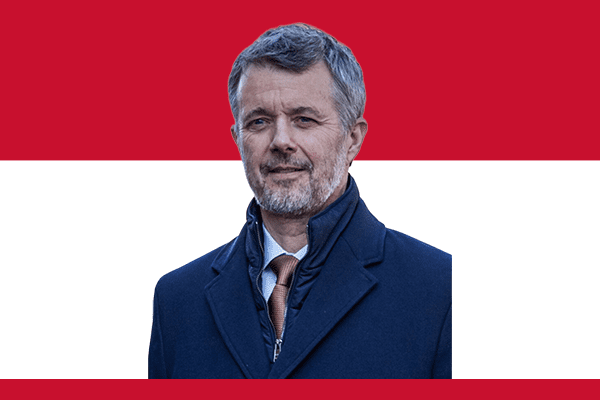
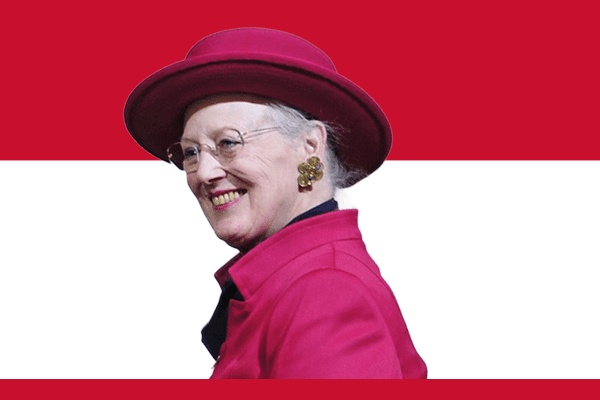
Today, the Danish royal family remains popular. Frederik X became king in 2024 after the abdication of Margrethe II. He continues the long tradition of Danish monarchy while supporting modern values and public service.
Conclusion
The kings of Denmark have shaped the country’s history for centuries. From Viking rulers to modern constitutional monarchs, they helped develop Danish culture, politics, and national identity. Although their political power has changed over time, the Danish monarchy continues to be an important symbol of unity and tradition in Denmark.