PRESIDENTS OF LITHUANIA
Presidents of Lithuania
The President of Lithuania is the head of state and plays a vital role in representing the country at home and abroad. Since Lithuania restored its independence from the former Soviet Union on 11 March 1990, the office of the President has been central to strengthening democracy, protecting the Constitution, and guiding the nation’s foreign and security policies. The President is elected by the people for a five-year term and may serve a maximum of two consecutive terms.
LIST OF PRESIDENTS OF LITHUANIA
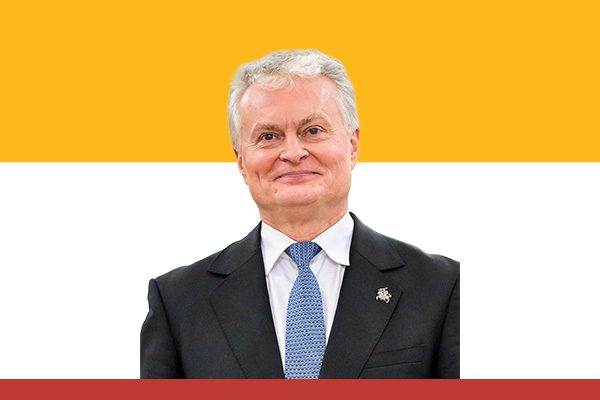
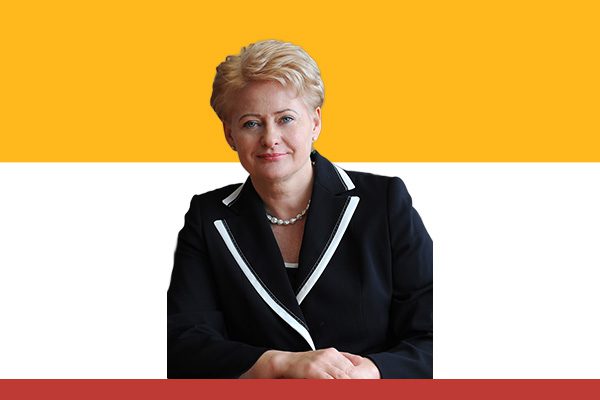
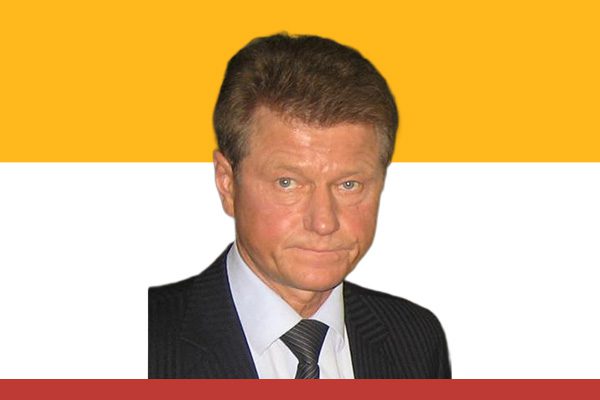
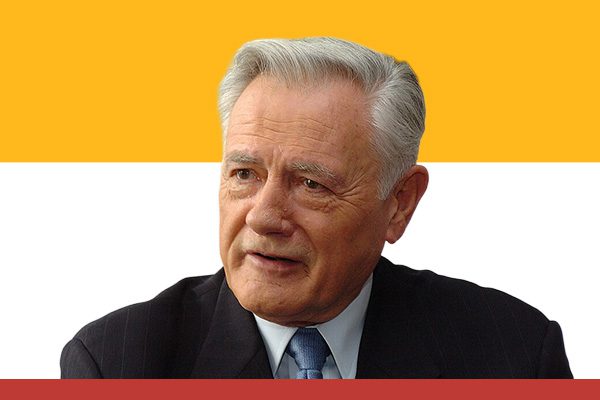
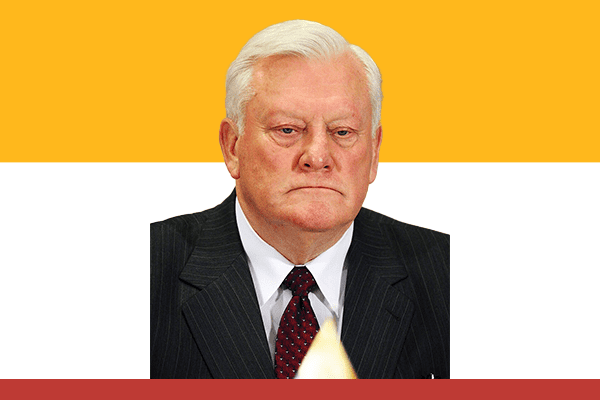
Algirdas Mykolas Brazauskas (1993–1998)
Algirdas Mykolas Brazauskas became the first democratically elected President of modern Lithuania in 1993. He focused on stabilizing the country’s economy after independence and strengthening democratic institutions. During his presidency, Lithuania worked to improve relations with neighboring countries and integrate with European organizations. After completing his term, he later served as Prime Minister.
Valdas Adamkus (1998–2003, 2004–2009)
Valdas Adamkus served two non-consecutive terms as President. Before entering Lithuanian politics, he spent many years in the United States. He strongly supported Lithuania’s integration into Western institutions. During his leadership, Lithuania achieved two major milestones by joining North Atlantic Treaty Organization and the European Union in 2004. Adamkus was widely respected for promoting democracy, transparency, and international cooperation.
Rolandas Paksas (2003–2004)
Rolandas Paksas became President in 2003 but had one of the shortest presidencies in Lithuanian history. In 2004, he was removed from office through an impeachment process after being found to have violated the Constitution and breached his oath of office. This was a significant event in Lithuania’s democratic history, demonstrating the strength of its constitutional system.
Dalia Grybauskaitė (2009–2019)
Dalia Grybauskaitė was Lithuania’s first female President and served two consecutive terms. She became known for her firm leadership, anti-corruption efforts, and strong stance on national security. She actively promoted energy independence and supported closer cooperation with European allies. Her leadership earned international recognition, particularly during periods of regional security challenges.
Gitanas Nausėda (2019–Present)
Gitanas Nausėda assumed office in 2019 after a successful career as an economist. His presidency has emphasized social welfare, economic development, and national unity. He has also played an important role in supporting European cooperation and strengthening Lithuania’s security. Under his leadership, Lithuania has remained a strong supporter of democratic values and international partnerships.
Conclusion
Since regaining independence in 1990, Lithuania has been led by five presidents who have each contributed to the country’s democratic development and international standing. From establishing stable governance to securing membership in NATO and the European Union, Lithuania’s presidents have helped shape the nation’s modern identity. Today, the presidency continues to play an important role in protecting the Constitution, promoting national interests, and representing Lithuania on the global stage.