PRESIDENTS OF CHINA
The President of the People’s Republic of China is the head of state and one of the top positions in China’s political hierarchy. While the role is largely ceremonial in theory, in practice, the person holding this office is usually also the General Secretary of the Communist Party and the Chairman of the Central Military Commission—making them the most powerful person in China.
LIST OF PRESIDENTS OF CHINA
Role and Power
The President represents China in foreign affairs, signs laws, appoints officials, and can declare states of emergency or war—but always under the direction of the Communist Party. China’s political system is dominated by the Chinese Communist Party (CCP), and the real authority lies in the party’s leadership, especially the General Secretary.
Since 1993, the offices of President, General Secretary, and Military Commission Chairman have been held by the same person, effectively uniting party, state, and military power in one leader.
Key Presidents of China (Post-1949)
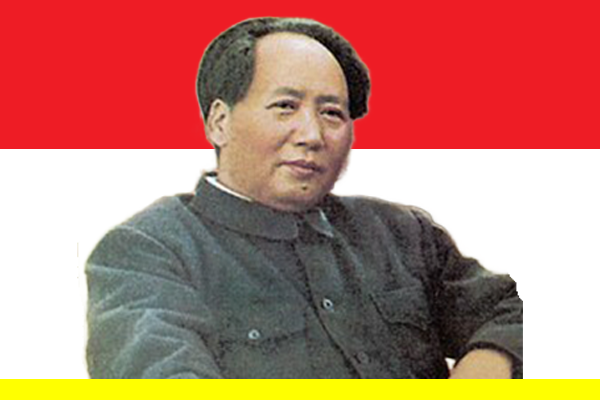
Mao Zedong (1949–1959)
Founding father of the People’s Republic of China and Chairman of the CCP. Though technically not president for long, he dominated Chinese politics until his death in 1976.
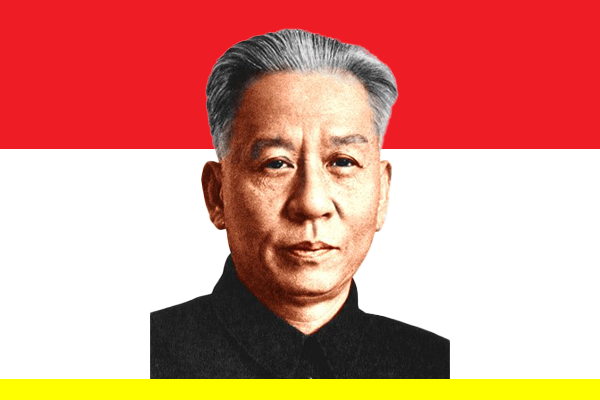
Liu Shaoqi (1959–1968)
Officially the second President, but was purged during the Cultural Revolution.
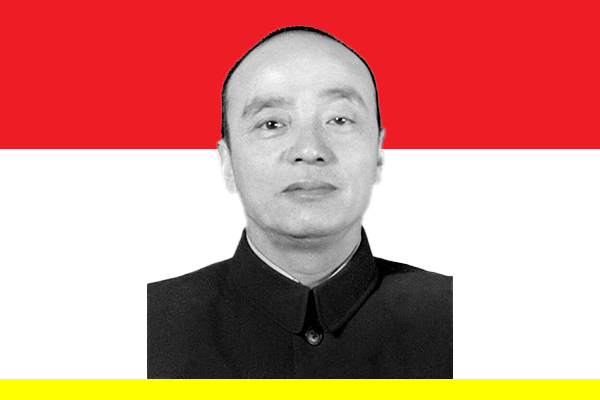
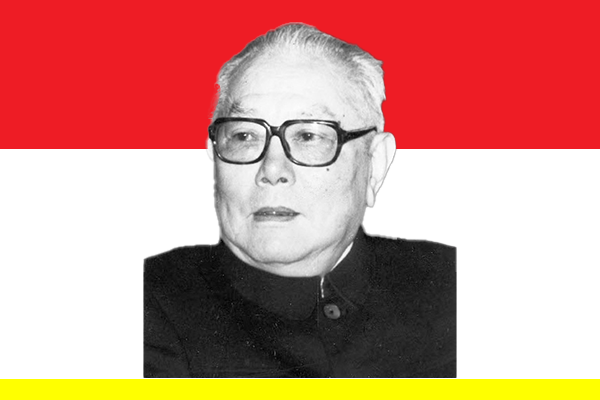
Yang Shangkun (1988–1993)
Helped stabilize China during the post-Mao period and after the Tiananmen Square protests.
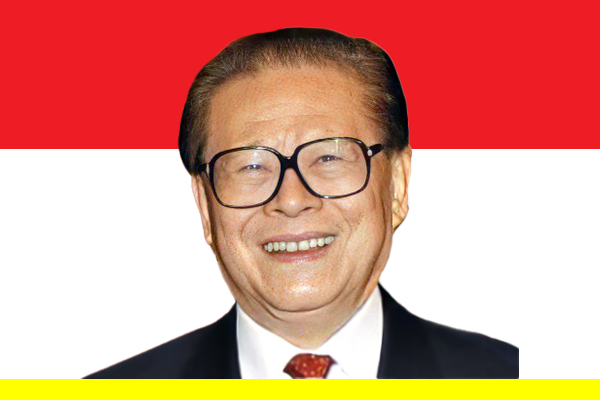
Jiang Zemin (1993–2003)
Oversaw China’s economic opening and entry into the World Trade Organization.
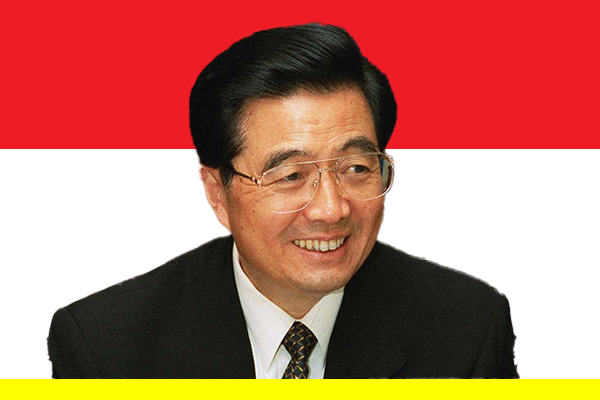
Hu Jintao (2003–2013)
Focused on “harmonious society” and continued market reforms with some political control.
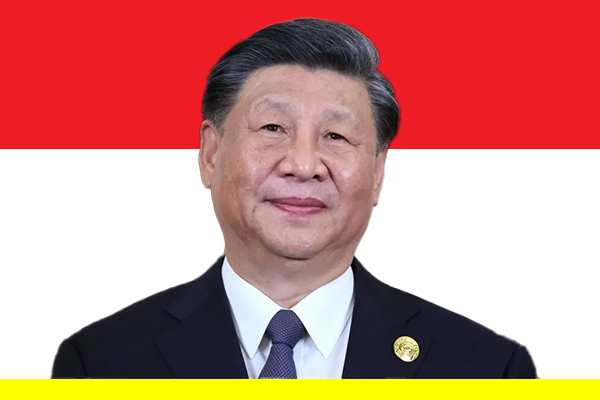
Xi Jinping (2013–present)
Holds all three top positions (President, General Secretary, Military Chairman). In 2018, China removed presidential term limits, allowing Xi to remain in power indefinitely.
Conclusion
While the President of China is a constitutional role, it is part of a broader system of party control. In modern China, the President is effectively the top leader, with Xi Jinping currently holding the position and shaping China’s future direction.