PRESIDENTS OF SPAIN
Presidents of Spain: A Historical and Political Overview
Spain’s political leadership has evolved through monarchy, dictatorship, and democratic transformation. When people refer to “Presidents of Spain,” they usually mean the President of the Government of Spain, commonly known as the Prime Minister. This role represents the head of the executive branch and stands at the center of Spain’s parliamentary system. Over the decades, Spain has witnessed leaders who shaped the nation through periods of instability, transition, and modern development.
LIST OF PRESIDENTS OF SPAIN
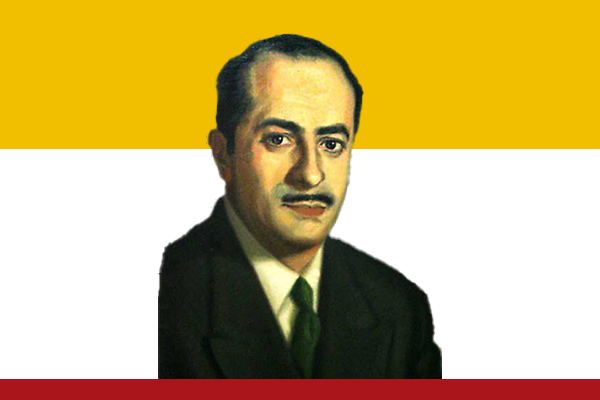


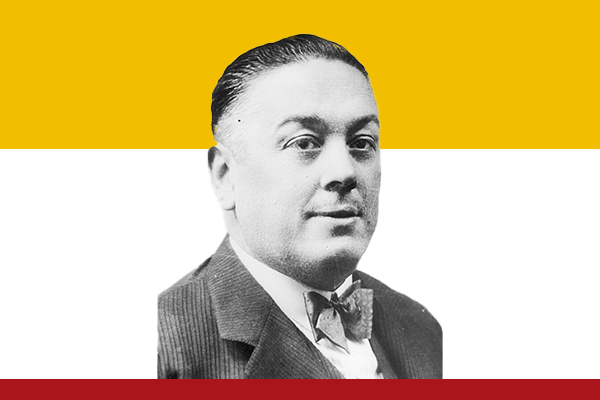

Early Foundations and the Role’s Evolution
The modern office of the President of the Government took recognizable shape during the 19th century as Spain moved toward constitutional governance. During this early period, presidents often faced rapid changes in political power, military influence, and social unrest. Leadership shifted frequently due to coups, ideological battles, and competing visions for Spain’s future. Despite this instability, the role gradually evolved into a structured parliamentary office with clear executive responsibilities.
Leadership Before Democracy
In the early 20th century, Spain experienced drastic political shifts. The dictatorship of Miguel Primo de Rivera and later the Second Spanish Republic created new political dynamics. Presidents of the Government held authority in an environment marked by polarization, reforms, and the emergence of new political movements. The Spanish Civil War, a devastating conflict, disrupted all forms of governance and led to Francisco Franco’s long dictatorship, during which the role of the President of the Government existed but functioned under authoritarian control.
The Democratic Era and Constitutional Reform
After Franco’s death in 1975, Spain entered one of the most significant phases of its history. The country transitioned peacefully to democracy under King Juan Carlos I. The 1978 Constitution formally established Spain as a parliamentary monarchy, giving the President of the Government democratic legitimacy through parliamentary support.
Adolfo Suárez emerged as the key leader of the transition. As President of the Government, he guided Spain through political reforms, legalization of political parties, and the first free elections in decades. His leadership laid the foundation for modern democratic governance.
Modern Presidents and Their Contributions
In the decades that followed, several presidents shaped Spain’s social and economic landscape. Leaders such as Felipe González modernized Spain, expanded social policies, and integrated the nation into European institutions. Others focused on economic reforms, regional autonomy, and navigating global challenges. Contemporary presidents continue to address issues such as economic stability, social rights, technological advancement, and Spain’s role in the European Union.
A Continuing Legacy
The Presidents of the Government of Spain reflect the nation’s rich political journey. From periods of turbulence to democratic maturity, each leader has contributed to shaping Spain’s identity. Today, the office stands as a symbol of democratic stability, guiding Spain into an era of progress, diversity, and global engagement.