PRIME MINISTERS OF AFGHANISTAN
Monarchy Period (1927–1973)
During the monarchy, prime ministers served under the king. Mohammad Hashim Khan and Mohammad Daoud Khan were among the most powerful, with Daoud Khan eventually abolishing the monarchy in 1973 and declaring himself President.
LIST OF PRIME MINISTERS OF AFGHANISTAN
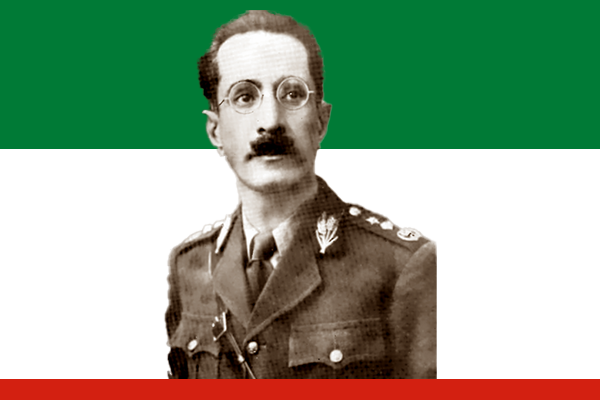
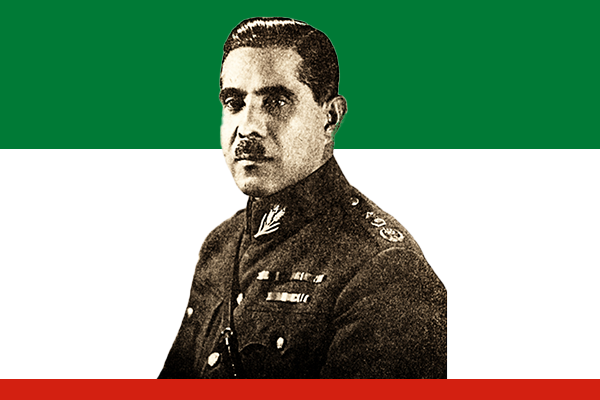
Prime Ministers of Afghanistan: A Brief Overview
The position of Prime Minister of Afghanistan was first introduced in 1927 under King Amanullah Khan as part of his modernization reforms. Over the decades, the role shifted between ceremonial, executive, and symbolic depending on the political regime in power.
Communist Era (1978–1992)
Following the Saur Revolution in 1978, a series of communist prime ministers served under Soviet-backed governments:
- Nur Mohammad Taraki
- Hafizullah Amin
- Babrak Karmal
- Sultan Ali Keshtmand
- Fazal Haq Khaliqyar
Their authority varied, often subordinate to the president or the Soviet advisers during the occupation.
Mujahideen Government (1992–1996)
After the communist fall, the mujahideen formed a fragile Islamic State. Prime Ministers included:
- Gulbuddin Hekmatyar, a powerful warlord
- Ahmad Shah Ahmadzai, who served as a caretaker
- Arsala Rahmani Daulat, briefly in 1994
Factional fighting made governance nearly impossible, and the prime minister’s office struggled to function effectively.
Taliban Regime (1996–2001)
The Taliban abolished the prime ministership and replaced it with the Leader of the Faithful (Amir al-Mu’minin). Mullah Mohammad Rabbani served as Chairman of the Leadership Council, a de facto administrative head, but the title of PM was not used.
Islamic Republic (2001–2021)
Under the U.S.-backed constitution, the prime minister role was eliminated. Executive power lay with the President, supported by two Vice Presidents.
Taliban Return (Post-2021)
After the Taliban regained control in 2021, they re-established a supreme leadership council under Hibatullah Akhundzada, with Hasan Akhund appointed as acting Prime Minister, though power remains heavily centralized.
Conclusion
Afghanistan’s prime ministership has evolved through monarchy, communism, jihad, and Islamic regimes. Today, the role exists again under Taliban rule, but it lacks the structure and autonomy once seen in earlier eras.