PRESIDENTS OF AFGHANISTAN
Establishment of the Republic (1973–1978)
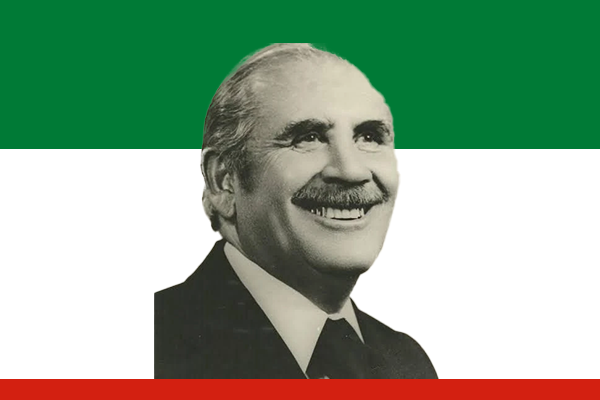
Afghanistan became a republic in 1973 when King Zahir Shah was overthrown by his cousin, Mohammad Daoud Khan, who became the first President of Afghanistan. Daoud ruled as an autocrat until he was assassinated during the Saur Revolution in 1978, which brought a communist regime to power.
LIST OF PRESIDENTS OF AFGHANISTAN


Communist Era (1978–1992)
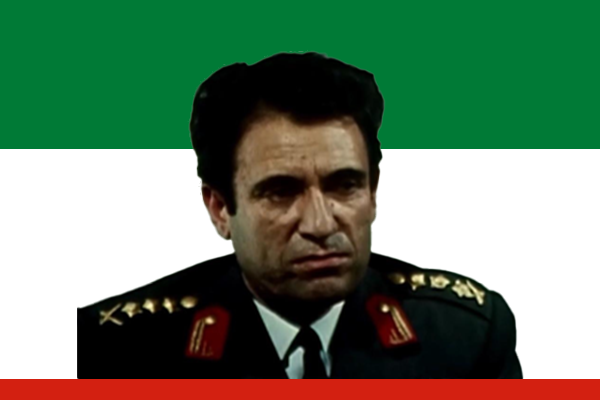
Following the revolution, several Soviet-backed communist leaders took over:
- Nur Mohammad Taraki (1978–1979)
- Hafizullah Amin (1979)
- Babrak Karmal (1979–1986)
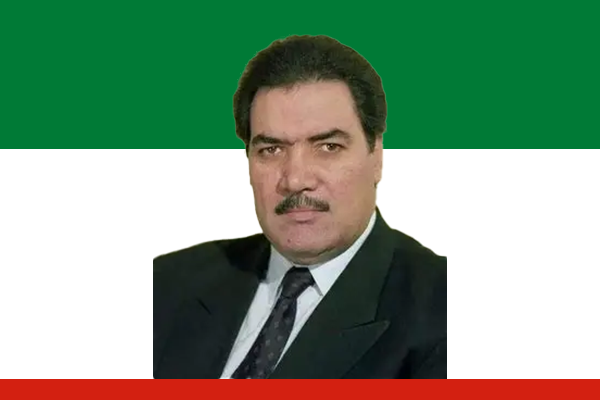
- Mohammad Najibullah (1987–1992)
Najibullah was the last communist president, overthrown when the mujahideen seized Kabul after the Soviet withdrawal.
Mujahideen & Civil War Period (1992–1996)
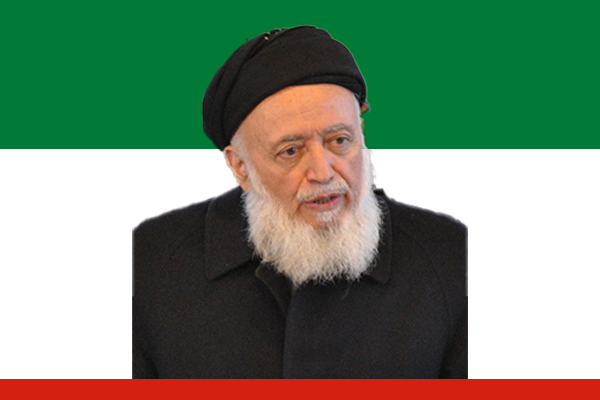
During the civil war, Burhanuddin Rabbani became president, though power was fragmented among mujahideen warlords. The country faced instability and lack of central authority.
Taliban Regime (1996–2001)
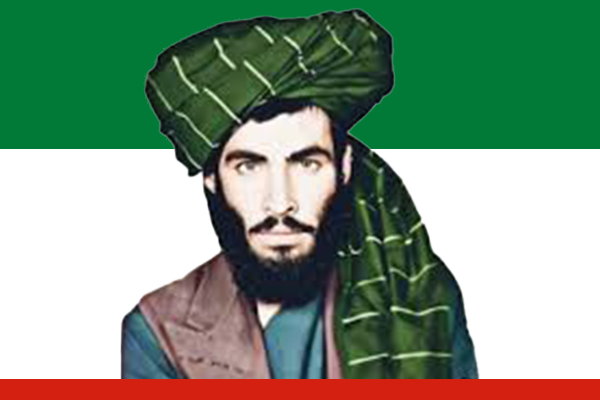
The Taliban took over most of Afghanistan in 1996 and established the Islamic Emirate of Afghanistan. They did not have a president; their supreme leader was Mullah Mohammad Omar, titled “Amir al-Mu’minin” (Commander of the Faithful).
Islamic Republic of Afghanistan (2001–2021)
Hamid Karzai (2004–2014)
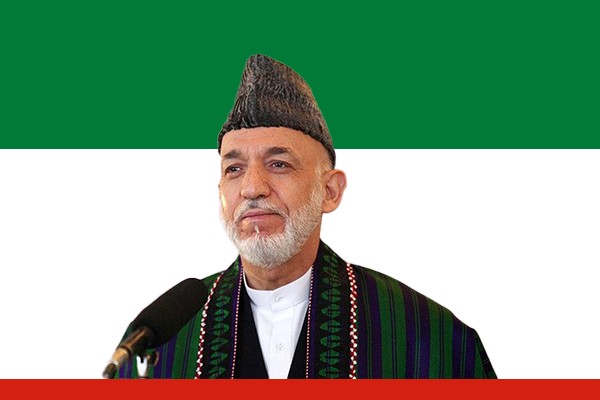
After the U.S.-led invasion in 2001, Hamid Karzai was appointed interim leader, then elected president in 2004 and re-elected in 2009. His term focused on rebuilding, though corruption and insurgency grew.
Ashraf Ghani (2014–2021)
Ashraf Ghani, a technocrat, won a disputed election in 2014 and again in 2019. His presidency ended in August 2021 when the Taliban retook Kabul. Ghani fled the country, and the presidency was effectively dissolved.
Taliban Rule Returns (Post-2021)
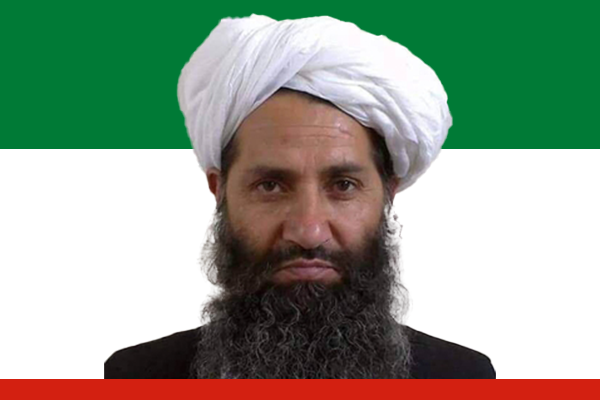
Since August 2021, the Taliban rule again under the Islamic Emirate, abolishing the presidency. Hibatullah Akhundzada is the de facto supreme leader, holding religious and political authority.