KINGS OF BAHRAIN
Kings of Bahrain
Bahrain is a small but strategically important island country in the Persian Gulf. It is ruled by the Al Khalifa royal family, which has governed the nation since the late 18th century. Bahrain officially became a kingdom in 2002, but its rulers held the title of Emir before that time. The kings of Bahrain have played a significant role in shaping the country’s political system, economic growth, and international relations.
LIST OT KINGS OF BAHRAIN
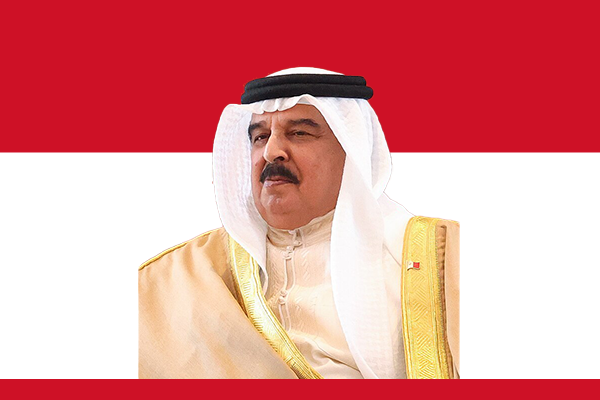
King Hamad bin Isa Al Khalifa
The current ruler is Hamad bin Isa Al Khalifa, who became King on 14 February 2002. Before assuming the title of King, he served as Emir from 1999 to 2002, succeeding his father. King Hamad is credited with initiating political reforms, including the National Action Charter in 2001, which aimed to modernize Bahrain’s political structure. Under his leadership, Bahrain transitioned from an emirate to a constitutional monarchy.
King Hamad introduced parliamentary elections and expanded certain civil liberties. However, his rule has also faced criticism, particularly during the 2011 protests linked to the Arab Spring, when demands for political reform led to unrest. Despite challenges, he continues to oversee Bahrain’s economic diversification efforts, especially in finance, tourism, and infrastructure development.
Emir Isa bin Salman Al Khalifa
Before Bahrain became a kingdom, it was ruled by Isa bin Salman Al Khalifa, who governed from 1961 until his death in 1999. He played a central role in Bahrain’s independence from the United Kingdom in 1971. His leadership marked the establishment of Bahrain as a sovereign state. During his time, Bahrain developed its oil industry and strengthened its regional ties.
Although Isa bin Salman was titled Emir rather than King, his long reign significantly influenced Bahrain’s political and economic foundations. His rule saw the introduction of a constitution in 1973, though the parliament was later dissolved.
The Al Khalifa Dynasty
The Al Khalifa family has ruled Bahrain since 1783, when they took control of the islands. Over the years, the dynasty has maintained political authority while adapting to changing regional and global conditions. The monarchy remains central to Bahrain’s governance, with the King holding significant executive powers.
Today, Bahrain is considered one of the Gulf region’s financial hubs. Its leadership continues to balance modernization with tradition, maintaining close ties with neighboring Gulf Cooperation Council (GCC) countries.
In summary, the kings of Bahrain, particularly King Hamad bin Isa Al Khalifa and his predecessor Isa bin Salman Al Khalifa, have shaped the nation’s modern identity. Their leadership reflects Bahrain’s journey from a traditional Gulf emirate to a contemporary constitutional kingdom.