KINGS OF BHUTAN
Introduction
The Kingdom of Bhutan has had five kings since the monarchy was established in 1907. Known as the Druk Gyalpo (Dragon King), the king serves as the head of state and plays a key role in guiding the country’s political, social, and cultural development. While Bhutan transitioned to a democratic constitutional monarchy in 2008, the monarchy continues to hold a respected and influential position in national life.
LIST OT KINGS OF BHUTAN

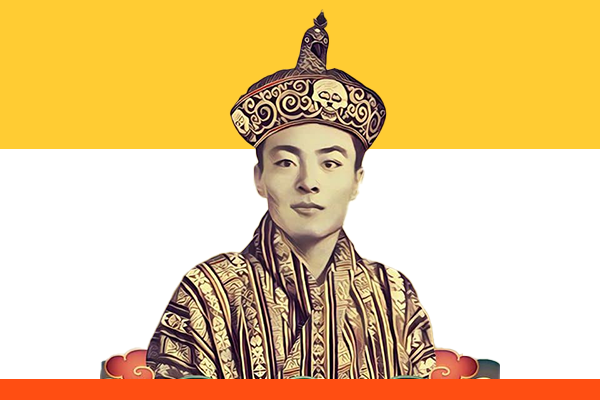

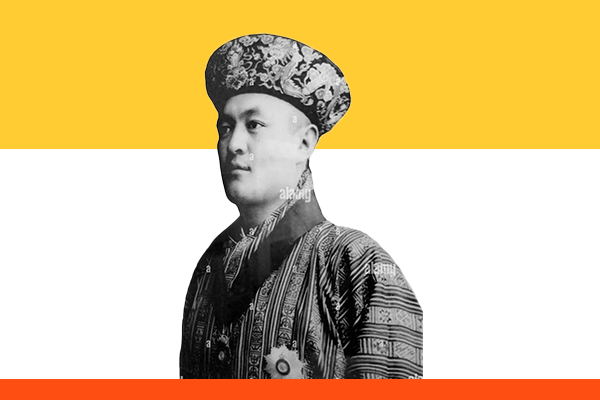

Role as Head of State
The King of Bhutan is the ceremonial head of state, representing the unity and identity of the nation. He attends national events, greets foreign dignitaries, and represents Bhutan in international affairs. While the Prime Minister leads the government, the King provides moral and symbolic leadership to the people.
Guardian of the Constitution
Under the 2008 Constitution, the King acts as the protector of Bhutan’s Constitution. He ensures that the laws and policies of the country are in harmony with constitutional values such as justice, equality, and Gross National Happiness. The King can also provide guidance during times of political uncertainty or national challenges.
Supporter of Democracy
Bhutan’s Fourth King, Jigme Singye Wangchuck, played a historic role in moving Bhutan toward democracy. He voluntarily gave up absolute power and initiated political reforms that led to Bhutan becoming a constitutional monarchy in 2008. Since then, the King has continued to support the democratic process while staying above daily politics.
Promoter of Gross National Happiness (GNH)
The King promotes the national philosophy of Gross National Happiness, which focuses on holistic well-being rather than just economic growth. The monarchy emphasizes cultural preservation, environmental protection, good governance, and sustainable development. This unique approach shapes Bhutan’s development policies and international image.
Role in Social Welfare
Bhutanese kings are deeply involved in the welfare of their people. They travel throughout the country, visit rural communities, listen to citizens’ problems, and often provide direct support in areas like health, education, and disaster relief. This has created a strong emotional bond between the monarchy and the people.
Conclusion
The Kings of Bhutan have played a crucial role in the country’s peaceful evolution from an isolated kingdom to a modern democratic nation. Their leadership, vision, and close connection with the people have helped Bhutan maintain stability, unity, and a unique national identity rooted in happiness and harmony.