KINGS OF CAMBODIA
Introduction
Cambodia’s monarchy is one of the oldest continuous institutions in Southeast Asia. Rooted in ancient traditions, Hindu-Buddhist beliefs, and Khmer culture, the Cambodian kingship has played a vital role in shaping the nation’s political, religious, and cultural identity. From the early Funan and Chenla periods to the Angkor Empire and the modern constitutional monarchy, Cambodian kings have guided the country through glory, decline, colonization, and renewal.
LIST OT KINGS OF CAMBODIA
Early Kings and the Angkor Era
The foundations of Cambodian kingship emerged during the Funan (1st–6th century) and Chenla (6th–8th century) periods. These early rulers established divine kingship, where the king was seen as a god-king responsible for maintaining cosmic order.
The monarchy reached its zenith during the Angkor Empire (9th–15th century). Kings such as Jayavarman II, who proclaimed himself a universal monarch in 802 CE, unified the Khmer lands and laid the basis for Angkor’s greatness. Suryavarman II, the builder of Angkor Wat, expanded the empire and left an enduring architectural legacy. Jayavarman VII, a devout Buddhist, emphasized compassion, public welfare, hospitals, and roads, transforming the idea of kingship into one of service to the people.
Decline and Transitional Period
After the 15th century, the power of the Cambodian kings weakened due to internal conflicts and pressure from neighboring Siam (Thailand) and Vietnam. The monarchy survived, but kings often ruled under foreign influence. Despite reduced authority, Cambodian kings continued to act as symbols of national identity and religious legitimacy during this challenging era.
Colonial Period and Modern Monarchy
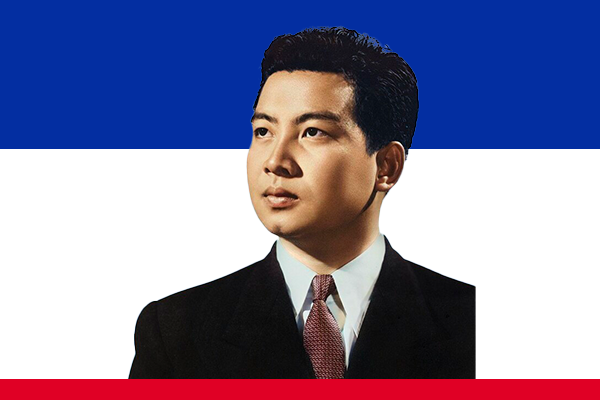
In the 19th century, Cambodia became a French protectorate. Kings such as Norodom I ruled under colonial oversight, balancing tradition with foreign control. The monarchy regained prominence in the 20th century under King Norodom Sihanouk, one of the most influential figures in Cambodian history. He led the country to independence in 1953 and played multiple roles as king, prince, and political leader during turbulent decades.
Contemporary Kings of Cambodia
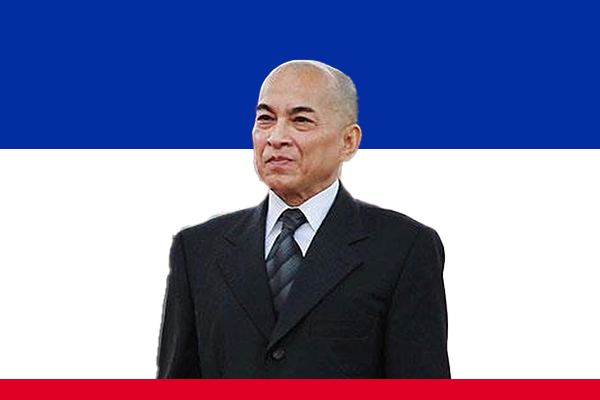
Today, Cambodia is a constitutional monarchy. King Norodom Sihamoni, who ascended the throne in 2004, serves as a unifying and symbolic head of state. While he does not exercise political power, he represents national unity, cultural continuity, and moral authority. The modern Cambodian king upholds traditions, supports social harmony, and embodies the historical legacy of the Khmer monarchy.
Conclusion
The kings of Cambodia have evolved from divine rulers to constitutional monarchs, yet their importance remains deeply embedded in Cambodian society. Across centuries of change, the monarchy has preserved cultural identity, religious values, and national continuity, making it a central pillar of Cambodia’s past and present.