VICE PRESIDENTS OF CHINA
Historical Background and Establishment
China established the office of the Vice President in 1954 when it adopted its first Constitution. The government initially named the position State Vice Chairman, but later renamed it Vice President in the 1982 Constitution, during the reform era led by Deng Xiaoping. The state briefly removed the office during the Cultural Revolution, but later reinstated it as part of its modern governance system.
LIST OF VICE PRESIDENTS OF CHINA




Constitutional Roles and Responsibilities
The Constitution defines the Vice President’s duties within the framework of the Chinese government, not the Communist Party. The Vice President assists the President, takes over presidential responsibilities if the President can’t serve, and represents the country during diplomatic visits and official ceremonies, when assigned. The President typically delegates these tasks.
Political Influence and Party Dynamics
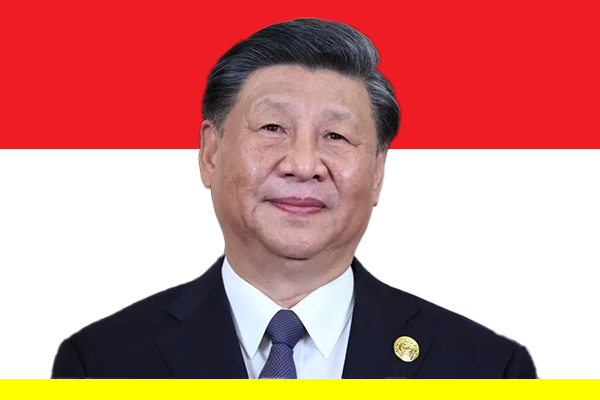
In reality, the Vice President’s influence depends on whether they also hold senior positions within the Communist Party of China (CPC). Many Vice Presidents have gained real power because they served in the Politburo Standing Committee, the Party’s highest authority. For example, Xi Jinping served as Vice President from 2008 to 2013 and used that platform to rise to the presidency.
Recent Vice Presidents
Recent Vice Presidents have included Wang Qishan (2018–2023), who led the anti-corruption campaign, and Han Zheng, who took office in 2023. Although the role doesn’t carry major executive power, it holds symbolic importance and often signals who may rise in future leadership transitions.