PRIME MINISTERS OF LITHUANIA
Prime Ministers of Lithuania
The Prime Minister of Lithuania is the head of the country’s government and is responsible for leading the Cabinet, implementing national policies, managing public administration, and representing the government in domestic and international affairs. Since Lithuania restored its independence from the Soviet Union in 1990, the office of the Prime Minister has played a vital role in building a democratic state, strengthening the economy, and guiding the country toward European integration. The Prime Minister is appointed by the President and approved by the Parliament (Seimas).
LIST OF PRIME MINISTERS OF LITHUANIA
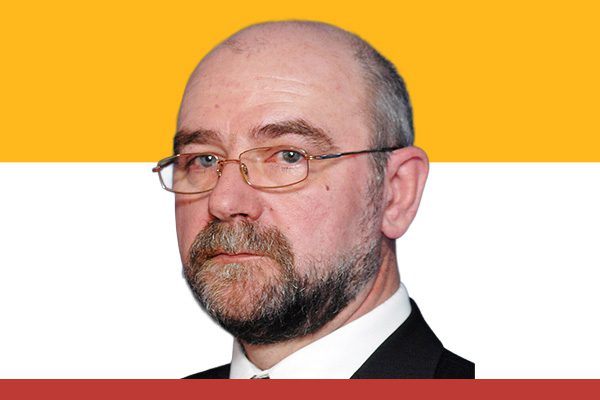
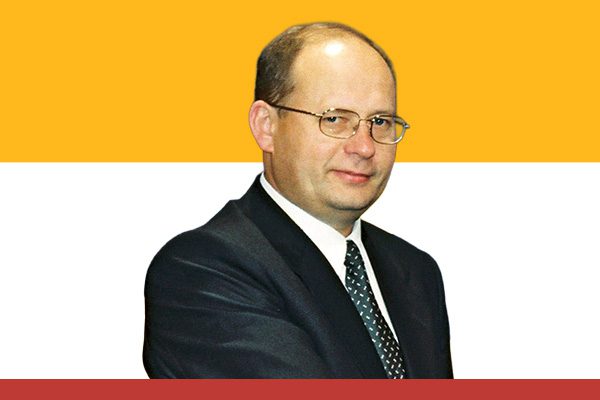

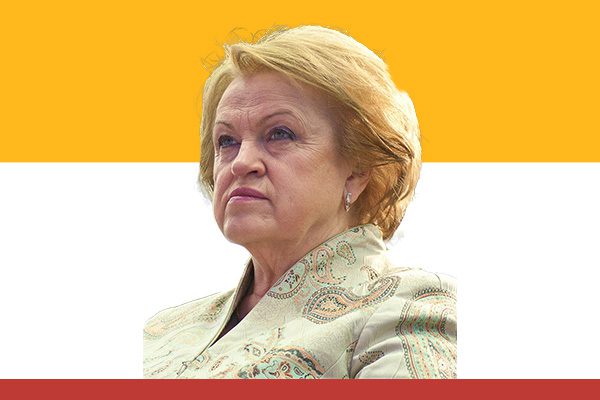
Early Prime Ministers After Independence
Following the declaration of independence on March 11, 1990, Kazimira Prunskienė became the first Prime Minister of the restored Republic of Lithuania. She led the country through the difficult transition from Soviet rule to an independent democracy.
She was succeeded by Gediminas Vagnorius, who served two terms and focused on economic reforms, privatization, and establishing a stable market economy. Other notable early leaders included Aleksandras Abišala and Adolfas Šleževičius, who worked to strengthen Lithuania’s democratic institutions and improve economic stability.
Leadership During European Integration
During the late 1990s and early 2000s, Lithuania accelerated reforms to join Western organizations. Rolandas Paksas and Algirdas Brazauskas played significant roles in preparing Lithuania for membership in both European Union and North Atlantic Treaty Organization.
Lithuania successfully joined both organizations in 2004, marking a major milestone in the country’s modern history. These achievements strengthened national security, encouraged foreign investment, and expanded opportunities for economic growth.
Modern Prime Ministers
In recent years, several Prime Ministers have continued to shape Lithuania’s political and economic development. Andrius Kubilius guided the country during the global financial crisis of 2008–2009 by introducing fiscal reforms and economic recovery measures.
Algirdas Butkevičius focused on economic growth, employment, and social welfare. He also oversaw Lithuania’s adoption of the euro in 2015, strengthening the country’s integration with Europe.
Saulius Skvernelis emphasized public sector reforms, healthcare improvements, and infrastructure development during his tenure.
Since 2020, Ingrida Šimonytė has served as Prime Minister. Her government has managed challenges including the COVID-19 pandemic, regional security concerns, energy independence, and strong support for neighboring Ukraine. She has also promoted digital transformation, economic resilience, and closer cooperation with European partners.
Roles and Responsibilities
The Prime Minister chairs Cabinet meetings, coordinates the work of government ministries, proposes legislation, prepares the national budget, and ensures that government policies are effectively implemented. The office works closely with the President and the Seimas while maintaining Lithuania’s commitments within the European Union and NATO.
Conclusion
The Prime Ministers of Lithuania have been instrumental in transforming the nation into a modern, democratic, and economically stable European country. Through political reforms, economic modernization, and international cooperation, successive Prime Ministers have strengthened Lithuania’s position on the global stage. Their leadership continues to shape the country’s future while promoting prosperity, security, and democratic values for its citizens.