PRESIDENTS OF NORTH KOREA
Presidents of North Korea
North Korea, officially known as the Democratic People’s Republic of Korea (DPRK), has a unique political system centered around its supreme leader. Although the title “President” has been officially used only once in its history, the country has been led by a line of influential leaders who wield absolute power. Here is an overview of North Korea’s presidents and their roles.
LIST OF PRESIDENTS OF NORTH KOREA

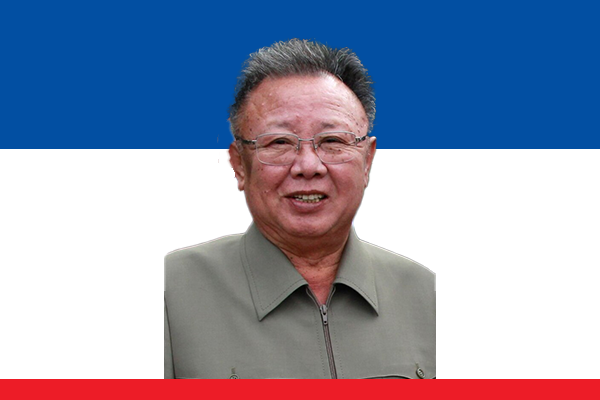
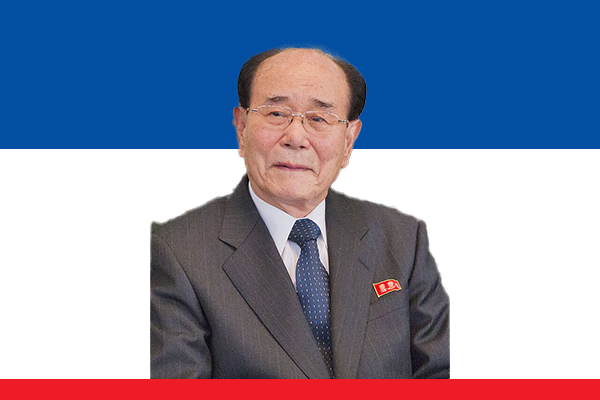

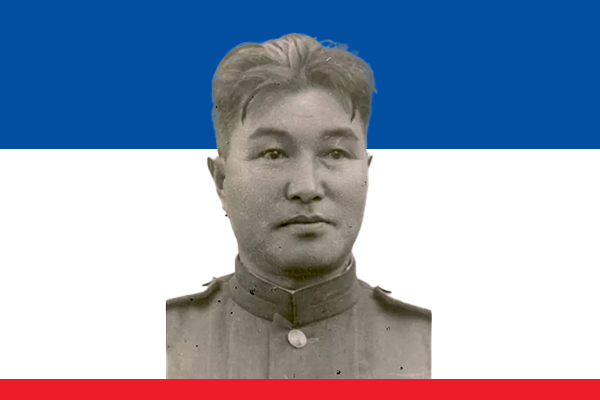

Kim Il-sung (1948–1994)
Kim Il-sung was the founding leader of North Korea and held the title of President from 1972 until his death in 1994. Before becoming president, he served as Premier and led the country following its establishment in 1948. Kim Il-sung established a highly centralized state with a command economy and a strong military focus, creating the ideological foundation of Juche, or self-reliance. After his death, he was declared Eternal President, and the office was permanently retired, reflecting the cult of personality surrounding him.
Kim Jong-il (1994–2011)
Although Kim Jong-il never held the official title of President, he succeeded his father as the supreme leader. He ruled North Korea through the National Defense Commission and other top positions, consolidating power through strict control over the military and party structures. His reign was marked by economic difficulties, famines, and further development of the country’s nuclear program, strengthening North Korea’s position as a highly militarized state.
Kim Jong-un (2011–present)
Kim Jong-un, the current leader, inherited power following Kim Jong-il’s death in 2011. Like his father, he does not hold the title of President but is referred to as Chairman of the State Affairs Commission, which functions as the highest authority in the country. Under Kim Jong-un, North Korea has continued its focus on nuclear weapons development, military modernization, and maintaining a rigid authoritarian regime. His leadership also emphasizes controlled economic reforms and international diplomacy, though the country remains isolated in many ways.
Significance of the Presidency in North Korea
The title of President in North Korea is unique because it was only formally held by Kim Il-sung. Subsequent leaders maintain power through other positions and are guided by the ideological and political structures he established. This system reinforces the centralization of authority, the cult of personality, and the continuity of dynastic leadership in North Korean politics.
In conclusion, North Korea’s presidency and leadership are defined less by formal titles and more by the concentration of absolute power in the Kim family. From Kim Il-sung’s establishment of the state to Kim Jong-un’s current rule, the nation’s leaders have maintained strict control over every aspect of life, creating a highly centralized and authoritarian political system that continues to define North Korea today.