PRIME MINISTERS OF NORTH KOREA
Prime Ministers of North Korea
The Prime Minister of North Korea, officially known as the Premier of the Cabinet of the Democratic People’s Republic of Korea (DPRK), is the head of the government’s administrative system. While real political power in North Korea rests with the Supreme Leader and the Workers’ Party of Korea, the prime minister plays an important role in managing the economy, state administration, and implementation of government policies. Since the country’s establishment in 1948, several leaders have held this position.
LIST OF PRIME MINISTERS OF NORTH KOREA
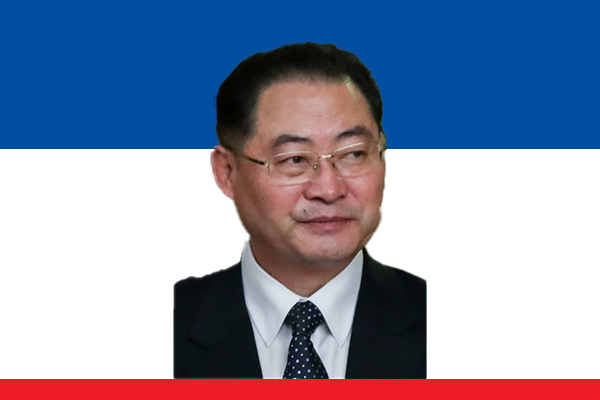









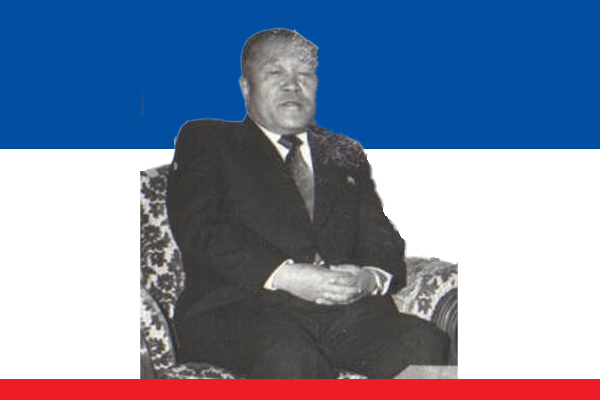

Kim Il Sung (1948–1972)
Kim Il Sung was North Korea’s first prime minister and the founding leader of the state. He played a central role in establishing a socialist system aligned with Soviet-style governance. During his tenure, he focused on post-war reconstruction after the Korean War and laid the foundations of the centrally planned economy. In 1972, he became President, while continuing to dominate all aspects of governance.
Kim Il (1972–1976)
Kim Il succeeded Kim Il Sung as prime minister during a period of constitutional change. His term focused on economic management and industrial development, though major decisions remained under Kim Il Sung’s authority.
Li Jong-ok (1976–1984)
Li Jong-ok served during a time of relative stability. His leadership emphasized heavy industry, agriculture, and economic self-reliance, in line with the state ideology of Juche.
Kang Song-san (1984–1986; 1992–1994)
Kang Song-san served two non-consecutive terms. He oversaw economic administration during difficult periods marked by declining foreign support and internal economic strain.
Yon Hyong-muk (1986–1992)
Yon Hyong-muk focused on economic planning and infrastructure development. His tenure coincided with growing challenges as the Cold War neared its end and external aid began to decline.
Hong Song-nam (1994–1997)
Hong Song-nam became prime minister shortly after the death of Kim Il Sung. He governed during the early years of Kim Jong Il’s leadership, facing severe economic hardship and food shortages.
Pak Pong-ju (2003–2007; 2013–2019)
Pak Pong-ju is one of the most notable modern prime ministers. He supported limited economic management reforms and emphasized industrial productivity. His long association with economic policy made him a key figure under Kim Jong Il and later Kim Jong Un.
Choe Yong-rim (2010–2013)
Choe Yong-rim worked to stabilize state administration during the leadership transition from Kim Jong Il to Kim Jong Un, focusing on internal governance and discipline.
Kim Jae-ryong (2019–2020)
Kim Jae-ryong served briefly, concentrating on agricultural output and economic planning amid international sanctions.
Kim Tok-hun (2020–Present)
Kim Tok-hun currently serves as prime minister. His role centers on economic recovery, industrial growth, and managing the effects of sanctions and global challenges, under the direction of Kim Jong Un.
Conclusion
The prime ministers of North Korea have primarily functioned as administrators rather than independent political leaders. While ultimate authority lies with the Supreme Leader, these prime ministers have played significant roles in shaping economic policy and state management throughout North Korea’s history.