KINGS OF UNITED KINGDOM
Kings of the United Kingdom
The monarchy of the United Kingdom has played a central role in shaping the country’s political, cultural, and constitutional history. Since the creation of the United Kingdom of Great Britain in 1707, and later the United Kingdom of Great Britain and Ireland in 1801, several kings have ruled the nation. These monarchs witnessed major events such as wars, industrial growth, imperial expansion, constitutional reforms, and the transition to modern democracy. While some rulers held strong personal power, later kings mainly served as constitutional monarchs, symbolizing national unity and tradition. The kings of the United Kingdom have left a lasting impact on British society and the wider world. Below is a brief overview of the kings who have ruled the United Kingdom.
LIST OT KINGS OF UNITED KINGDOM
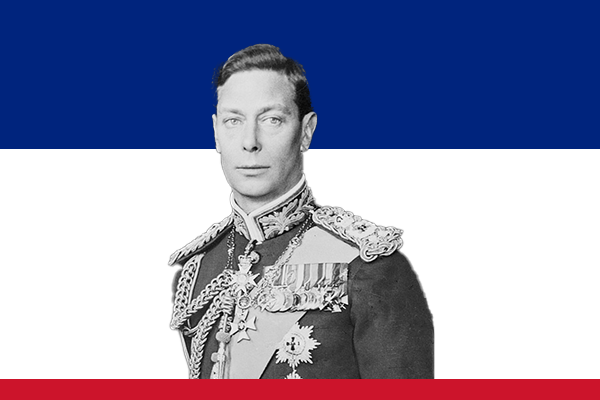
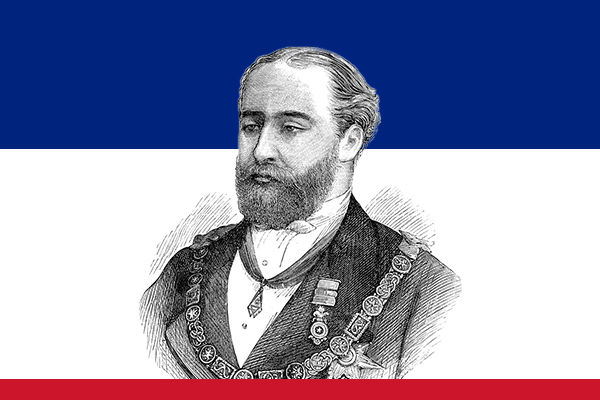
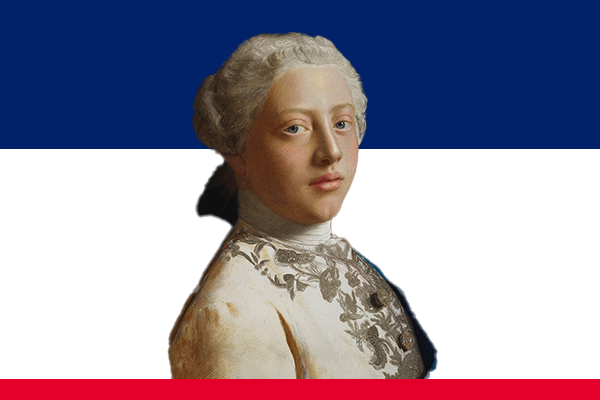

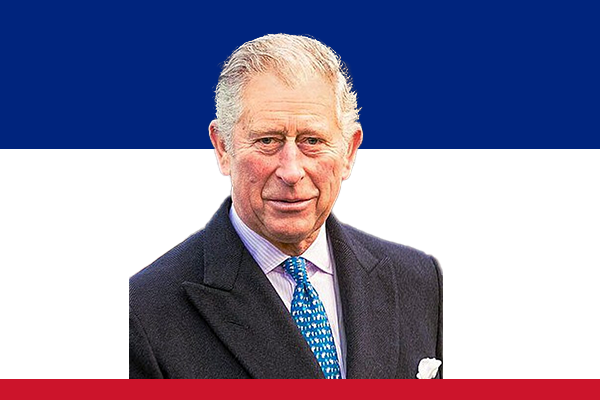
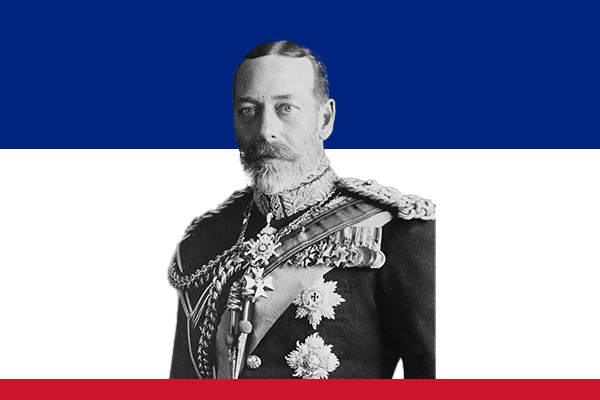
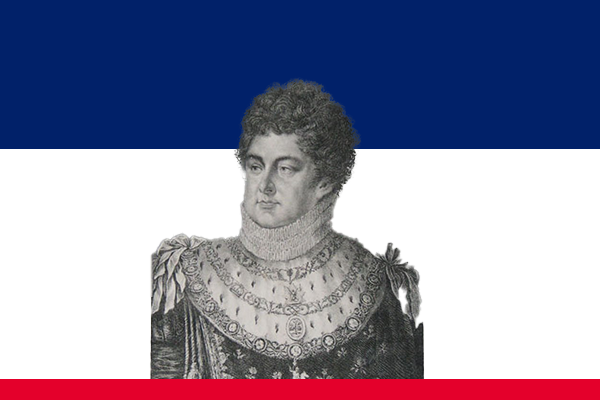

1. George I (1714–1727)
George I was the first king from the House of Hanover. He became king after Queen Anne because he was the closest Protestant heir. His reign marked the beginning of a stronger parliamentary system, as he relied heavily on ministers.
2. George II (1727–1760)
George II was the last British monarch born outside Britain and the last king to lead troops in battle. His reign saw the growth of Britain’s power overseas and the strengthening of cabinet government.
3. George III (1760–1820)
George III ruled during major historical events, including the American Revolution and the Napoleonic Wars. Although Britain lost the American colonies, it later emerged as a leading global power.
4. George IV (1820–1830)
George IV was known for his extravagant lifestyle and interest in art and architecture. His reign was politically less significant, but he supported cultural developments and royal splendor.
5. William IV (1830–1837)
William IV, known as the “Sailor King,” had a short but important reign. He ruled during the passage of the Reform Act of 1832, which expanded voting rights and changed British politics.
6. Edward VII (1901–1910)
Edward VII brought a modern style to the monarchy after the long reign of Queen Victoria. His reign was associated with social elegance, diplomacy, and improved foreign relations, especially with France.
7. George V (1910–1936)
George V ruled during World War I and helped maintain national morale. In 1917, he changed the royal family’s name from Saxe-Coburg and Gotha to Windsor to reflect British identity during wartime.
8. Edward VIII (1936)
Edward VIII had one of the shortest reigns in British history. He abdicated the throne in the same year to marry Wallis Simpson, an American divorcée, causing a constitutional crisis.
9. George VI (1936–1952)
George VI became king after his brother’s abdication. He led the nation through World War II and was respected for his courage, humility, and dedication during difficult times.
10. Charles III (2022–Present)
Charles III became king after the death of Queen Elizabeth II in 2022. His reign represents the continuation of the modern constitutional monarchy, with a focus on duty, tradition, and public service.
Conclusion
The kings of the United Kingdom have ruled during times of great change, from imperial expansion to democratic transformation. Each king contributed in different ways to the monarchy’s evolution. Together, they reflect the long and rich history of Britain’s royal institution.