VICE PRESIDENTS OF VIETNAM
Introduction
The Vice President of Vietnam plays an essential role in supporting the President, representing the state, and ensuring the continuity of leadership. Although the position is largely ceremonial, Vice Presidents often influence social policy, diplomatic relations, and national development. Their contributions reflect Vietnam’s political evolution from its early revolutionary period to its modern, fast-growing society.
LIST OF VICE PRESIDENTS OF VIETNAM






Historical Background
Vietnam established the office of Vice President after the founding of the Democratic Republic of Vietnam in 1945. Early leaders helped stabilize the newly formed state during wartime and reconstruction. Over the years, the role expanded to include participation in the National Assembly, oversight of social programs, and representation in international forums. Today, the Vice President continues to function as one of the key figures in the Vietnamese political system.
Key Responsibilities
Vietnam’s Vice President works closely with the President and the government to support national policies. The officeholder may conduct diplomatic missions, sign international agreements when authorize, and oversee initiatives related to education, culture, gender equality, and social welfare. The Vice President also acts as the acting President when the President is absent or incapacitated. This makes the position vital for maintaining stability and continuity in state affairs.
Notable Vice Presidents
Vietnam has seen several influential Vice Presidents who shaped the country’s political and social landscape.
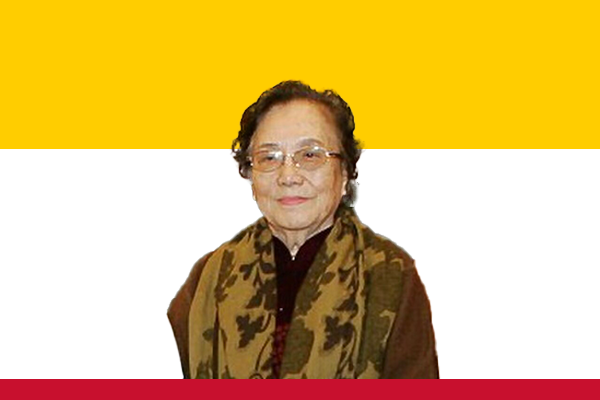
Nguyen Thi Binh, one of the most prominent figures, served as Vice President from 1992 to 2002. She gained international recognition as a negotiator during the Paris Peace Accords, advocating for Vietnam’s independence and peace.
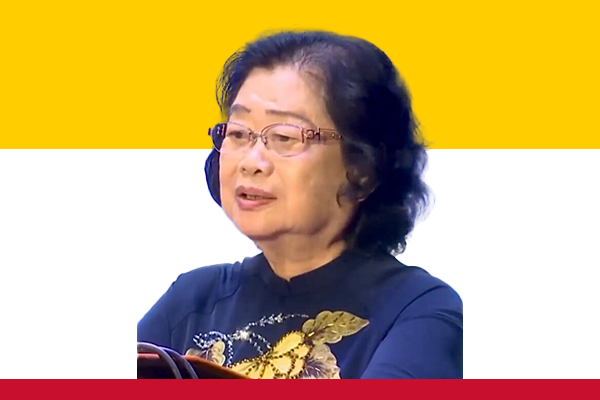
Truong My Hoa, who served from 2002 to 2007, continued efforts to promote education and women’s rights.
Nguyen Thi Doan, Vice President from 2007 to 2016, focused on social welfare, children’s rights, and poverty reduction.
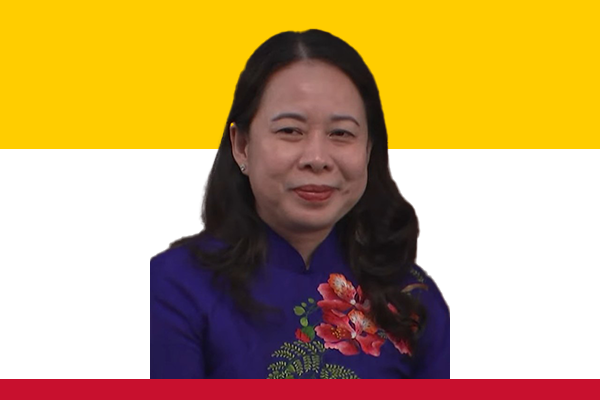
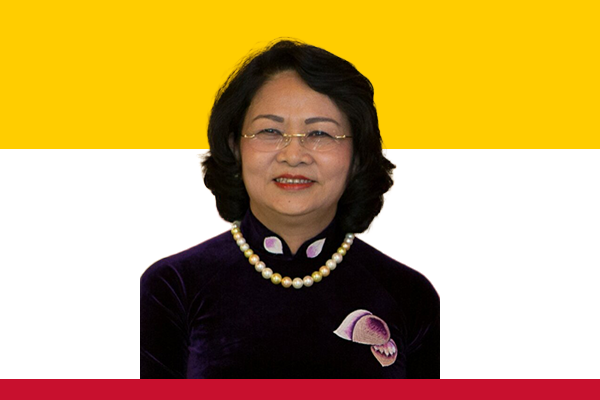
More recently, Dang Thi Ngoc Thinh and Vo Thi Anh Xuan played significant roles in diplomatic work, humanitarian programs, and national development. Vo Thi Anh Xuan briefly served as Acting President, demonstrating the importance of the vice-presidential role in ensuring constitutional continuity.
Role in Modern Vietnam
In today’s political environment, the Vice President remains a respected national leader who represents Vietnam on the global stage. The office supports the Communist Party’s direction and contributes to domestic reforms, modernization, and international integration. With increasing global partnerships and economic expansion, the Vice President helps strengthen Vietnam’s diplomatic presence while advocating for social progress within the country.
Conclusion
The Vice Presidents of Vietnam have consistently contributed to national unity, diplomacy, and social development. Their leadership highlights the evolving nature of the Vietnamese state and the importance of steady, responsible governance. As Vietnam continues to grow, the Vice-Presidential office will remain central to promoting stability and shaping national priorities.