PRIME MINISTERS OF VIETNAM
Prime Ministers of Vietnam
The office of the Prime Minister of Vietnam has played a central role in shaping the country’s political direction, economic strategies, and development priorities. Over the decades, various leaders have guided Vietnam through wartime reconstruction, economic reforms, global integration, and modernization. Their leadership reflects the nation’s transformation from a war-torn region to a rapidly developing economy in Southeast Asia.
LIST OF PRIME MINISTERS OF VIETNAM

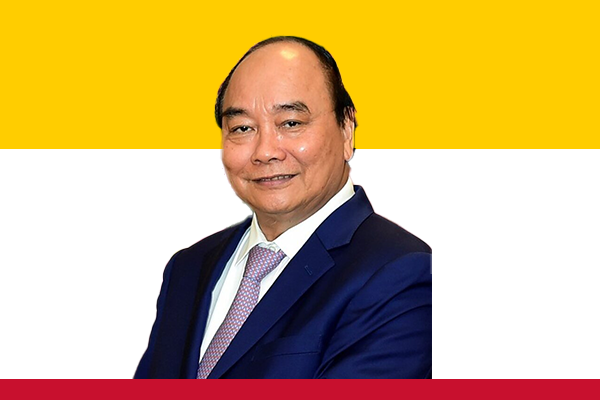




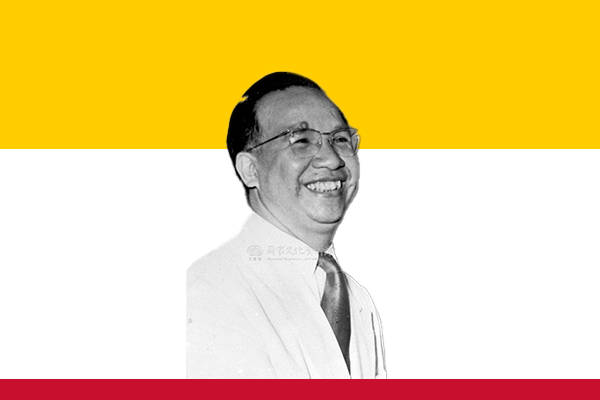
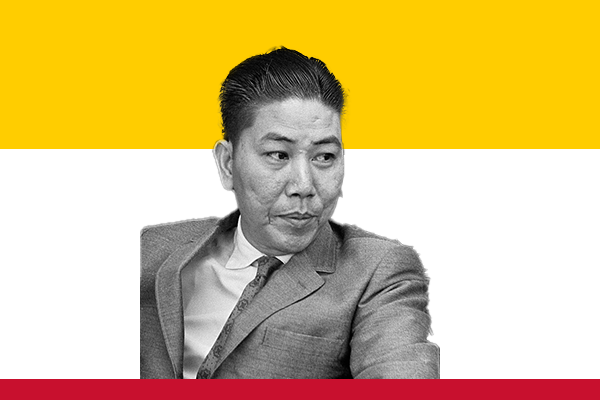
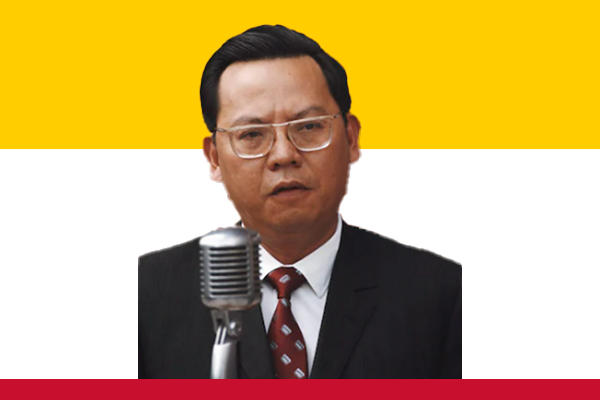
Early Leaders and Post-War Reconstruction
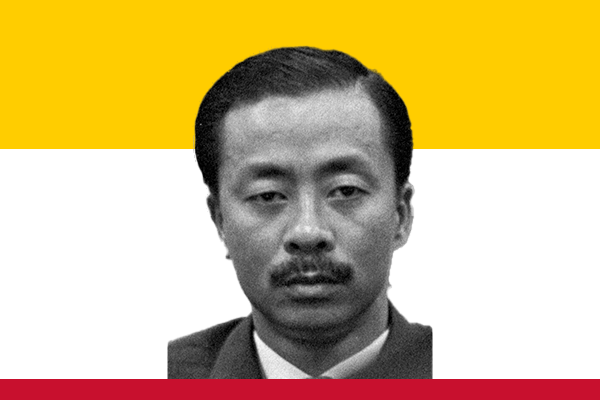
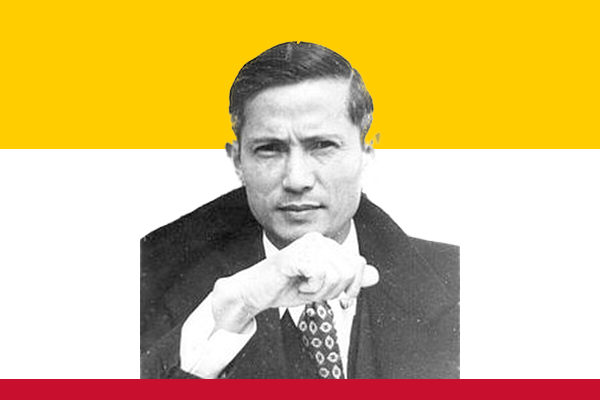
Following the division of Vietnam in 1954, the North and South had their own governments and prime ministers. In the North, Phạm Văn Đồng served for more than three decades and became one of the most influential early figures. He collaborated closely with President Hồ Chí Minh and directed efforts to strengthen socialist governance, rebuild wartime infrastructure, and support unification. After the country reunified in 1975, he continued to guide Vietnam through the difficult early years marked by economic hardship and international isolation.
Reform Era and Đổi Mới Transformation
A major turning point came in 1986 when Vietnam adopted the Đổi Mới (Renovation) reforms, which shifted the country from a centrally planned economy to a socialist-oriented market system. Prime Ministers during the reform era played crucial roles in opening trade, encouraging investment, and improving living standards. Leaders such as Võ Văn Kiệt and Phan Văn Khải promoted modernization and industrialization, supported private enterprise, and strengthened diplomatic relations with neighboring countries and global partners. Their leadership helped Vietnam emerge as one of Asia’s fastest-growing economies.
Modern Leadership and Global Integration
Entering the 21st century, Vietnam’s prime ministers focused on sustaining growth, expanding international cooperation, and addressing new challenges. Nguyễn Tấn Dũng, who served from 2006 to 2016, advanced economic reforms, led Vietnam into the World Trade Organization, and promoted large-scale infrastructure development. His tenure marked a period of rapid urbanization and increased foreign investment.
His successors, including Nguyễn Xuân Phúc and Phạm Minh Chính, continued to emphasize growth, digital transformation, administrative reform, and global engagement. They worked to strengthen public administration, support technology innovation, and improve social welfare. Their policies reflect Vietnam’s ongoing efforts to compete internationally while improving domestic quality of life. Current leadership continues to guide the nation through global challenges and opportunities, including economic shifts, technological advancements, and environmental concerns.
The Prime Minister’s Role in Vietnam’s Governance
The Prime Minister of Vietnam heads the government and oversees ministries, provincial authorities, and national administrative functions. The office ensures policy implementation, economic management, and coordination across sectors. As Vietnam continues to grow, the prime minister remains instrumental in shaping its long-term national strategy, promoting development, and ensuring political stability.