Roza Otunbayeva
In Office: 3 July 2010 – 1 December 2011
Political Party: Social Democratic Party
Home State: Bishkek
Lifespan: born – 1950
Country: Kyrgyzstan
Image credits available here.
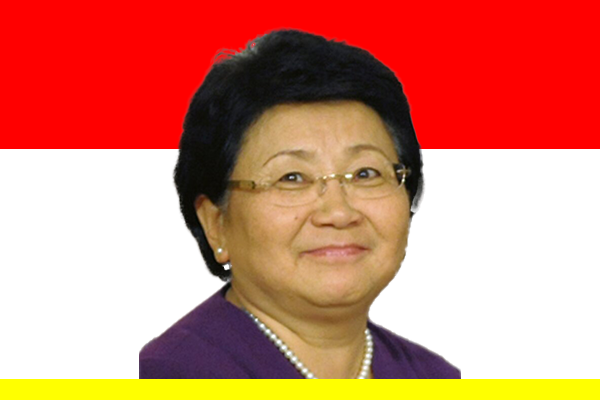
Early Life and Education
Roza Otunbayeva was born on 23 August 1950 in Osh, located in southern Kyrgyzstan. She pursued higher education in philosophy, earning her degree from Moscow State University. Her academic background helped shape her analytical thinking and diplomatic approach, which later became key strengths in her political career. Before entering top-level politics, she worked in academic and diplomatic circles, gaining experience that would define her leadership style.
Diplomatic and Political Career
Otunbayeva began her public career during the late Soviet period. She served in several diplomatic roles, including as Kyrgyzstan’s ambassador to the United States, Canada, and the United Kingdom. She also represented Kyrgyzstan at international organizations, where she built a reputation as a capable and articulate diplomat.
In domestic politics, she held important ministerial positions, including Foreign Minister. Her experience across diplomacy and governance placed her among the most internationally recognized leaders of Kyrgyzstan. She was known for advocating balanced foreign relations and promoting Kyrgyzstan’s sovereignty on the global stage.
Role After the 2010 Revolution
Following the April 2010 uprising that led to the removal of President Kurmanbek Bakiyev, Kyrgyzstan faced severe instability. Roza Otunbayeva emerged as a consensus leader and was appointed head of the interim government, effectively serving as Interim President. During this period, she exercised executive powers similar to those of a prime minister and president combined.
Her primary responsibility was to restore order, prevent civil conflict, and rebuild state institutions. One of her most significant achievements was overseeing the drafting and adoption of a new constitution. This constitution shifted Kyrgyzstan toward a parliamentary system, reducing presidential powers and strengthening democratic checks and balances.
Democratic Reforms and Governance
Under Otunbayeva’s leadership, Kyrgyzstan conducted a constitutional referendum and parliamentary elections. These steps were crucial in restoring legitimacy to the political system. Despite ethnic tensions and economic challenges, she maintained a commitment to inclusive governance and dialogue.
Roza Otunbayeva was widely praised for voluntarily stepping down after the completion of her interim term. This peaceful transfer of power set an important democratic precedent in a region often marked by prolonged rule and political instability.
Life After Office and International Role
After leaving office in 2011, Otunbayeva remained active in international and regional affairs. She became involved in peacebuilding, education, and development initiatives. Her work has focused on promoting democracy, women’s leadership, and conflict prevention in Central Asia and beyond.
She is also recognized as a strong advocate for women in politics, serving as a role model for female leadership in a traditionally male-dominated political environment.
Legacy and Historical Importance
Roza Otunbayeva’s legacy lies in her ability to lead Kyrgyzstan through one of its most turbulent periods with restraint, legitimacy, and democratic intent. While she did not formally serve as Prime Minister, her executive authority and leadership during the interim period place her among the most influential leaders in Kyrgyzstan’s history.