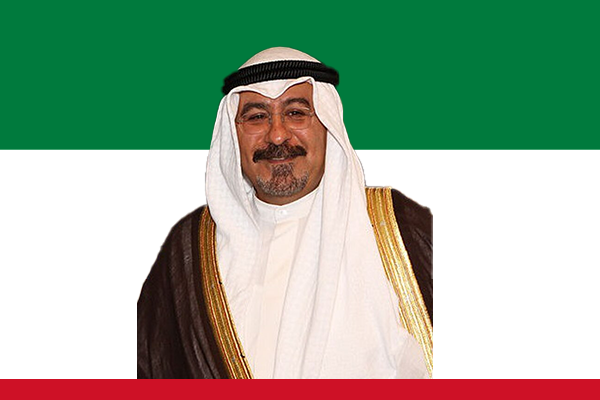
Early Life and Education
Mohammad Sabah Al-Salem Al-Sabah was born in 1955 into the distinguished Al-Sabah royal family. He is the son of Sheikh Sabah Al-Salem Al-Sabah, who served as the Emir of Kuwait from 1965 to 1977. Growing up in a leadership environment, he developed an early understanding of governance and public service.
He pursued higher education abroad and earned a bachelor’s degree in economics from Claremont McKenna College in the United States. He later obtained a Ph.D. in economics and Middle Eastern studies from Harvard University. His strong academic background helped him develop expertise in economic policy, international relations, and regional affairs.
Early Career and Diplomatic Roles
Before entering high political office, Sheikh Mohammad worked in academic and research positions. He served as a professor at Kuwait University, where he taught economics and contributed to intellectual discussions on economic reform and development.
His political career began when he was appointed as Kuwait’s Ambassador to the United States in 1993. During this period, he worked to strengthen Kuwait-US relations following the Gulf War and played an important role in rebuilding Kuwait’s international partnerships.
He later served as Minister of Foreign Affairs from 2003 to 2011. In this role, he represented Kuwait on the global stage and helped maintain the country’s balanced foreign policy. He was respected for his diplomatic skills and his efforts to promote peace and cooperation in the Middle East.
Appointment as Prime Minister
In January 2024, Kuwait’s Emir, Mishal Al-Ahmad Al-Jaber Al-Sabah, appointed Sheikh Mohammad Sabah Al-Salem Al-Sabah as Prime Minister. His appointment came during a time of political challenges and government restructuring in Kuwait.
As Prime Minister, his main priorities included improving government efficiency, strengthening economic reforms, and addressing political tensions between the government and parliament. He aimed to promote stability and restore public confidence in government institutions.
However, his term as Prime Minister was relatively short. In May 2024, the government resigned as part of political changes initiated by the Emir, and a new Prime Minister was appointed.
Leadership Style and Contributions
Sheikh Mohammad is known for his intellectual approach to leadership. Unlike many traditional politicians, he brings academic thinking and economic expertise to governance. His experience in diplomacy and education has shaped his modern and reform-oriented perspective.
He has also been a strong supporter of economic diversification. Like many Gulf countries, Kuwait faces the challenge of reducing its dependence on oil revenue. Sheikh Mohammad has emphasized the importance of economic reform, investment, and sustainable development.
Legacy and Importance
Although his time as Prime Minister was brief, Sheikh Mohammad Sabah Al-Salem Al-Sabah remains an important figure in Kuwait’s political history. His long career in diplomacy, education, and government reflects his commitment to public service.
He is respected both domestically and internationally for his knowledge, professionalism, and dedication to Kuwait’s progress. His contributions to foreign policy and economic thinking continue to influence Kuwait’s leadership.
In conclusion, Mohammad Sabah Al-Salem Al-Sabah represents a modern generation of Gulf leaders who combine academic excellence with political experience. His career highlights the importance of education, diplomacy, and reform in shaping the future of Kuwait.