Mr. Salvador Laurel
In Office: 25 February 1986 – 30 June 1992
Political Party: United Nationalist Democratic Organization
Home State: Paco
Lifespan: 1928–2004
Country: Philippines
Image credits available here.
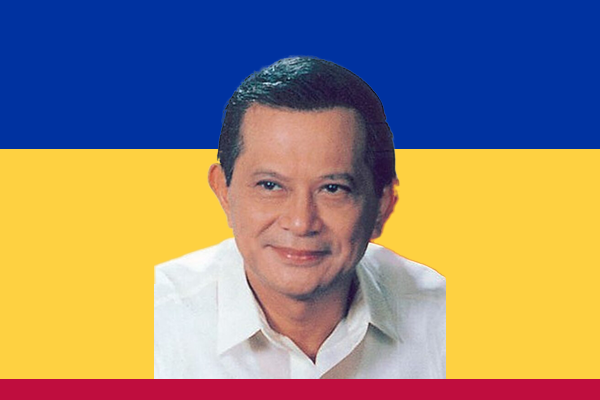
Early Life and Education
Salvador Roman Hidalgo Laurel was born on November 18, 1928, in Paco, Manila. He grew up in a political family; his father, José P. Laurel, had served as President of the Philippines during World War II. From an early age, Salvador showed deep interest in law, governance, and national service.
He attended the University of the Philippines, where he earned his Bachelor of Arts and Bachelor of Laws degrees. He later pursued higher studies at Yale University and the University of Michigan, earning a Master of Laws and Doctor of Juridical Science. His academic excellence shaped his disciplined and analytical approach to leadership.
Early Legal and Political Career
Laurel began his career as a lawyer and became known for his dedication to justice and human rights. He established the Citizens Legal Aid Society of the Philippines (CLASP) to provide free legal assistance to the poor. His work gained national attention and demonstrated his commitment to social equality.
He entered politics in 1967 as a senator. As a legislator, he focused on education, justice reform, and good governance. He authored and supported several bills that strengthened democratic institutions. His time in the Senate allowed him to develop a deep understanding of the country’s political and social challenges.
Opposition to Martial Law
When President Ferdinand Marcos declared Martial Law in 1972, Laurel strongly opposed it. He became one of the most prominent voices for democracy and human rights. He joined the opposition movement and worked tirelessly to unite different political factions. His courage during a time of repression made him a respected leader among pro-democracy advocates.
Founding of the United Nationalist Democratic Organization (UNIDO)
In the early 1980s, Laurel founded the United Nationalist Democratic Organization (UNIDO), a coalition of opposition groups aimed at ending authoritarian rule. He served as its president and led campaigns that promoted free elections and democratic governance. His leadership in UNIDO played a key role in building unity among opposition parties and preparing the ground for democratic transition.
Role in the 1986 People Power Revolution
Laurel initially ran for president in the 1986 snap election but later stepped aside to support Corazon Aquino, the widow of slain opposition leader Benigno Aquino Jr. He became her running mate for vice president. Together, they represented the unified voice of the democratic movement.
After the People Power Revolution succeeded, Laurel took office as Vice President and was appointed Prime Minister of the Philippines — the last to hold the title before the position was abolished in 1986. He worked closely with President Aquino to rebuild democratic institutions and restore the rule of law after years of dictatorship.
Contributions as Prime Minister and Vice President
As Prime Minister, Laurel emphasized national reconciliation, economic recovery, and government transparency. He promoted dialogue between political groups and worked to rebuild the trust of the Filipino people in their leaders. He also led efforts to revive industries and attract foreign investment to stabilize the post-Marcos economy.
Even after the position of Prime Minister was removed, Laurel continued to serve actively as Vice President until 1992. He supported policies that strengthened local governance, education, and rural development.
Later Years and Legacy
After leaving office, Laurel remained engaged in national affairs through public speaking, writing, and advocacy. He founded the Laurel Foundation, which focused on youth development and civic education. His contributions to democracy and social justice earned him respect across political lines.
Salvador Laurel passed away on January 27, 2004, but his legacy continues to inspire Filipinos. He stood as a symbol of integrity, courage, and patriotism, dedicating his life to the defense of democracy and the rule of law.
Conclusion
Prime Minister Salvador Laurel’s career reflected unwavering commitment to democratic principles. Through his leadership during one of the Philippines’ most turbulent periods, he helped restore freedom and hope to his nation. His vision for a just and united Philippines continues to guide future generations.