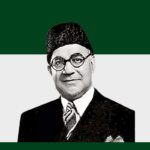
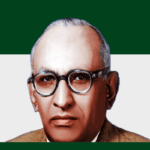
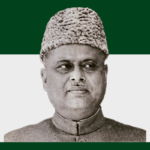
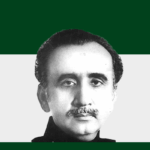
Pakistan’s first Prime Minister was Liaquat Ali Khan, who assumed office in August 1947. He played a vital role in shaping the early political and administrative framework of the new nation. His leadership focused on establishing the foundations of governance and guiding Pakistan through its initial challenges. Unfortunately, his tenure ended tragically when he was assassinated in 1951.
Over the decades, several prominent leaders have held this position. Zulfikar Ali Bhutto emerged as a key figure in the 1970s, known for his democratic reforms and the introduction of Pakistan’s 1973 Constitution, which is still in effect today. He also initiated major industrial and economic policies to modernize the country.
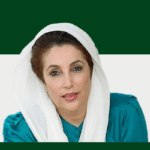
Another significant leader, Benazir Bhutto, became the first woman Prime Minister of Pakistan and the Muslim world in 1988. Her leadership symbolized progress and democratic values, though her government faced political challenges.
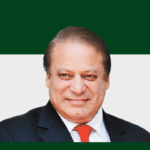
Nawaz Sharif and Imran Khan also left strong marks on Pakistan’s politics. Nawaz Sharif served multiple terms, focusing on economic reforms and infrastructure development, while Imran Khan emphasized anti-corruption measures and social welfare programs during his tenure from 2018 to 2022.
The position of Prime Minister in Pakistan has witnessed periods of both democracy and military interventions, shaping the country’s political landscape. Despite challenges, the role remains central to Pakistan’s governance and future progress, representing the aspirations of its people for stability, growth, and democratic continuity.