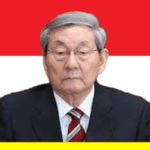
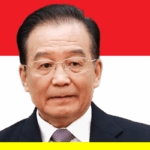
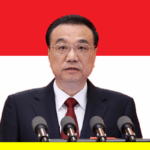
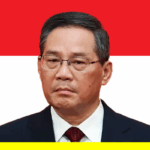
The Premier is the second highest-ranking official in China after the General Secretary and plays a central role in coordinating the work of ministries and commissions under the State Council. The office is crucial for maintaining stability, managing the economy, and carrying out the directives of the Chinese Communist Party (CCP).
Establishment of the Office
The position of Premier of the State Council was officially established in 1949 with the founding of the People’s Republic of China. Initially titled Premier of the Government Administration Council, the role evolved into its current form with the adoption of the 1954 Constitution, which established the State Council as the highest executive organ of the government.
Since then, the Premier has been appointed by the President of China with approval from the National People’s Congress (NPC), China‘s top legislative body. Though powerful, the Premier must always act in alignment with the broader goals and decisions of the Communist Party and its Central Committee.
Famous Prime Ministers (Premiers) of China
Zhou Enlai (1898–1976)
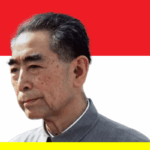
List of Prime Ministers of China Zhou Enlai was the first Premier of the People’s Republic of China, serving from 1949 until his death in 1976. A highly respected revolutionary and diplomat, Zhou played a key role in foreign affairs, particularly in opening diplomatic relations with the West during the Cold War. He was instrumental in organizing the Bandung Conference (1955) and preparing the groundwork for President Nixon’s visit to China (1972). Known for his pragmatism and calm leadership during political turmoil, Zhou helped stabilize China during Mao Zedong‘s radical campaigns like the Cultural Revolution.
Deng Xiaoping (1904–1997) (Unofficial role in reform era)
Though never Premier himself, Deng served in various senior government roles and exerted tremendous influence during the post-Mao reform era. As a Vice Premier in the 1970s, Deng initiated China’s “Reform and Opening-Up” policies, shifting the economy from a centrally planned model to a more market-oriented one. His leadership laid the foundation for China‘s rapid economic growth.
Li Peng (1928–2019)
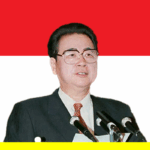
Li Peng served as Premier from 1987 to 1998. He is a controversial figure, best known for his role during the 1989 Tiananmen Square protests, where he declared martial law. While his economic policies emphasized central planning and control, his tenure was marked by attempts to maintain order and stability during a period of significant unrest.
Zhu Rongji (1928–)
Premier from 1998 to 2003, Zhu Rongji was known for his tough stance on economic reforms and anti-corruption. Under his leadership, China entered the World Trade Organization (WTO) in 2001, which marked a major step in integrating China into the global economy. Zhu helped modernize China’s banking and industrial sectors.
Wen Jiabao (1942–)
Wen Jiabao served as Premier from 2003 to 2013. A technocrat and trained geologist, Wen was known for his populist image and concern for social issues, such as rural development, education, and healthcare. He led China through the 2008 global financial crisis, launching a massive stimulus package to keep the economy stable.
Li Keqiang (1955–2023)
Premier from 2013 to 2023, Li Keqiang emphasized market reforms, innovation, and sustainable development. His tenure focused on poverty alleviation, employment, and maintaining economic growth amid challenges like the COVID-19 pandemic and U.S.–China trade tensions. He also promoted China‘s digital economy.
Li Qiang (1959–)
The current Premier since 2023, Li Qiang is a close ally of Xi Jinping. Before becoming Premier, he served as Party Secretary of Shanghai and was known for his pro-business stance and handling of large-scale lockdowns during the pandemic. As Premier, Li oversees China’s economic policies during a period of slowing growth, geopolitical tensions, and structural challenges. He is expected to promote technological innovation, private sector revitalization, and foreign investment.
Conclusion
The office of the Premier of China has evolved alongside the country’s transformation from a Maoist state to a major global power. While the Premier is not the top political authority in China, the role remains critical for governance, especially in economic and administrative matters. From Zhou Enlai’s diplomacy to Zhu Rongji’s economic reforms, and now Li Qiang’s leadership amid modern global complexities, China’s Premiers have helped shape not only the nation’s internal development but also its position on the world stage.