VICE PRESIDENTS OF THE UNITED STATES
Establishment of the Office
The office of the Vice President of the United States was established in 1789 under Article II of the U.S. Constitution. Initially, the Vice President’s main duty was to preside over the Senate and to assume the presidency if the President died or became unable to serve. The 12th Amendment later changed the election process, allowing Presidents and Vice Presidents to run together as a team. The 25th Amendment, passed in 1967, further clarified the line of succession and procedures for filling a vacant vice presidency.
VICE PRESIDENTS OF THE UNITED STATES






Roles and Responsibilities
The Vice President plays a dual role in the U.S. government. Constitutionally, they serve as President of the Senate and may cast a tie-breaking vote when needed. In the executive branch, they act as the second-highest officer in the country and may take on duties assigned by the President. These can include advising on policy, representing the country abroad, leading special task forces, or managing specific initiatives. The role has grown in influence over time, especially in modern administrations.
Historically Important Vice Presidents
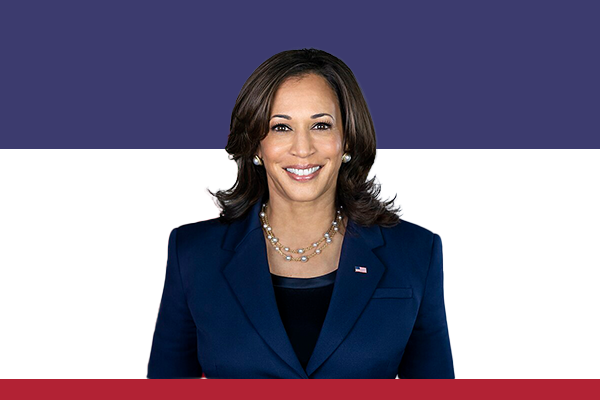
Several Vice Presidents have gone on to become historically significant leaders. John Adams was the first Vice President and later became the second President of the United States. Thomas Jefferson served as Vice President under John Adams and succeeded him as the third President. Theodore Roosevelt became President after William McKinley’s assassination in 1901, while Harry S. Truman took over after Franklin D. Roosevelt’s death during World War II. Lyndon B. Johnson assumed the presidency following the assassination of John F. Kennedy. More recently, Joe Biden served as Vice President under Barack Obama before becoming President in 2021, and Kamala Harris made history as the first woman, Black, and South Asian Vice President.
Conclusion
In conclusion, the Vice Presidency has evolved from a largely ceremonial position to a vital part of the executive branch. It ensures continuity of leadership and offers Presidents a trusted partner in governing, while also maintaining a constitutional role in legislative affairs.