VICE PRESIDENTS OF GERMANY
Vice Presidents of Germany: Roles and Influential Figures
Germany, as a federal parliamentary republic, has a unique political structure. While the country is widely recognized for its Chancellor, it also features positions like the Vice President, which play a critical role in parliamentary and governmental functions. The term “Vice President” in Germany primarily refers to the deputies of the Bundestag President (the President of the German Federal Parliament). These Vice Presidents assist in administrative duties, preside over parliamentary sessions in the President’s absence, and ensure that parliamentary procedures run smoothly.
LIST OF VICE PRESIDENTS OF GERMANY



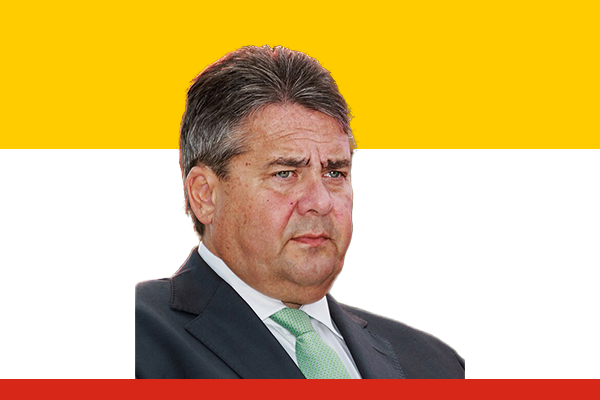


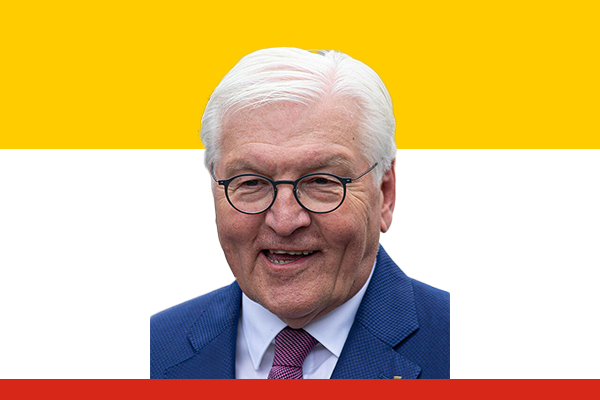


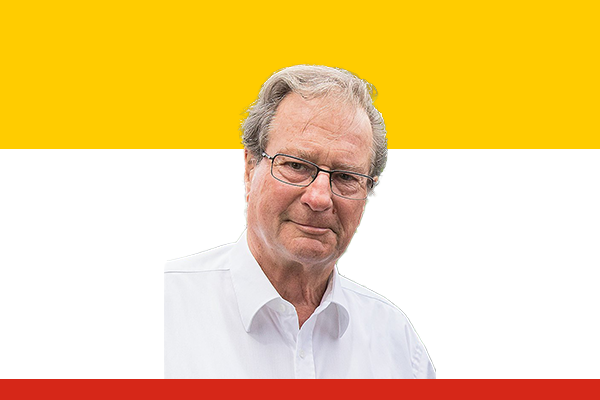


Vice Presidents of the Bundestag
The Bundestag, Germany’s lower house of parliament, elects several Vice Presidents from different political parties represented in the chamber. Their main duty is to assist the President of the Bundestag in conducting parliamentary sessions and ensuring order during debates. Each Vice President presides over the Bundestag in rotation, guaranteeing fair representation of all major parties in parliamentary leadership.
Prominent figures who have served as Vice Presidents of the Bundestag include Claudia Roth, Wolfgang Kubicki, and Petra Pau. They contribute to shaping parliamentary procedures, moderating discussions, and representing the Bundestag both domestically and internationally. This system reflects Germany’s commitment to pluralism and balanced governance within its democratic institutions.
Vice Chancellors of Germany
The Vice Chancellor (Vizekanzler) acts as the deputy to the Federal Chancellor, similar to a Vice President in executive terms. The Vice Chancellor is usually the leader or senior member of the junior coalition party in the federal government. In the Chancellor’s absence, the Vice Chancellor temporarily assumes leadership duties and ensures policy continuity.
Some well-known Vice Chancellors include Franz Müntefering, Sigmar Gabriel, and Olaf Scholz (before he became Chancellor). Their contributions have been vital in promoting coalition harmony, supporting government programs, and implementing key economic and social reforms. The Vice Chancellor’s influence often depends on coalition strength and political negotiation within the cabinet.
Role and Importance
Vice Presidents and Vice Chancellors in Germany symbolize the strength of the country’s democratic system. Their positions ensure that power is not concentrated in a single individual and that diverse political voices contribute to governance. These roles emphasize cooperation, balance, and transparency in political decision-making.
The presence of multiple Vice Presidents in the Bundestag and a politically influential Vice Chancellor highlights Germany’s unique approach to shared authority. Together, they maintain governmental stability, support legislative effectiveness, and uphold democratic traditions.