PRESIDENTS OF RUSSIA
Presidents of Russia: A Political Overview
Since the dissolution of the Soviet Union in 1991, Russia has experienced a dynamic political landscape shaped by its presidents. These leaders have guided the country through economic transformation, political reforms, and global challenges, establishing the framework of modern Russia.
LIST OF PRESIDENTS OF RUSSIA
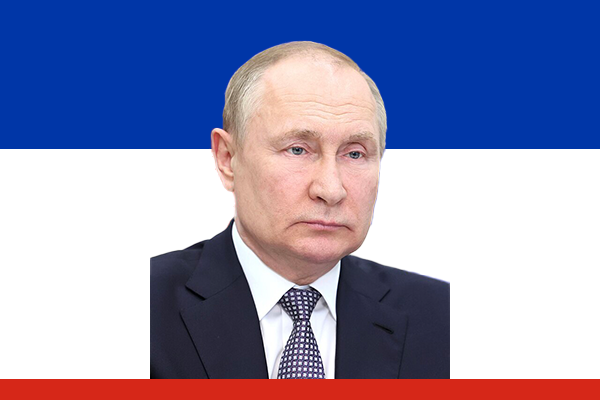
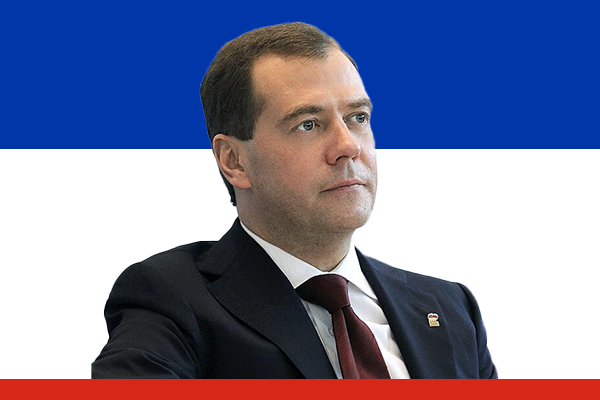
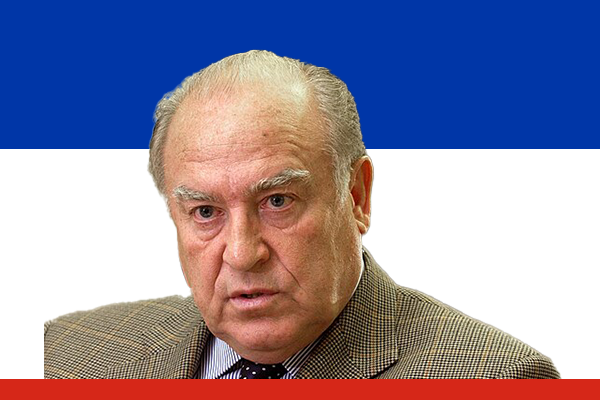

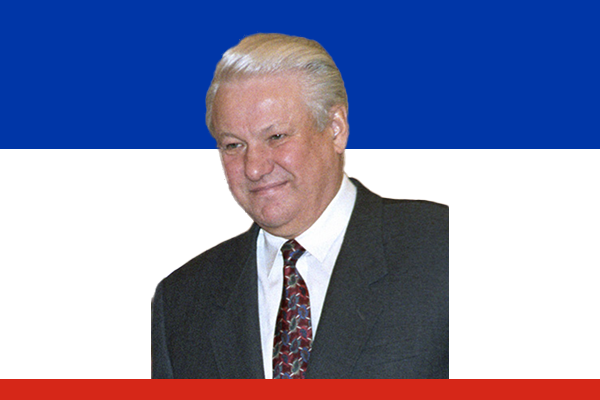
Presidents of Russia
Boris Yeltsin (1991–1999)
Boris Yeltsin became Russia’s first president after the Soviet Union collapsed. He actively promoted democratic reforms, introduced a market economy, and encouraged private enterprise. Yeltsin faced numerous challenges, including economic instability, political opposition, and conflicts in Chechnya. Despite these difficulties, he played a key role in transitioning Russia from a Soviet system to a modern state with elected leadership and independent institutions.
Vladimir Putin (2000–2008, 2012–Present)
Vladimir Putin rose to power in 2000 after serving as Russia’s Prime Minister. He actively restored political stability, strengthened the central government, and revitalized the economy using revenues from oil and gas exports. Putin also reasserted Russia’s influence on the global stage. After serving two consecutive terms, he became Prime Minister again while Dmitry Medvedev held the presidency. In 2012, Putin returned to the presidency and has continued to lead Russia with a focus on national security, foreign policy, and economic development.
Dmitry Medvedev (2008–2012)
Dmitry Medvedev served as Russia’s president between Putin’s terms. He actively promoted modernization and technological development, including initiatives to advance the digital economy and innovation. Medvedev maintained close cooperation with Putin, supporting continuity in governance and foreign policy. During his presidency, Russia also hosted major international events, such as the 2014 Winter Olympics preparations.
Presidential Leadership and Influence
Each president of Russia has actively shaped the country’s political, economic, and social landscape. They have balanced domestic challenges with international ambitions, aiming to restore Russia’s prominence in global affairs. Leadership in Russia combines centralized authority with strategic policymaking, ensuring continuity while adapting to new challenges.
Conclusion
The Presidents of Russia have played pivotal roles in transforming the nation from a post-Soviet state into a significant global power. From Yeltsin’s democratic and economic reforms to Putin’s consolidation of authority and Medvedev’s modernization efforts, these leaders have actively influenced Russia’s path in the 21st century. Understanding their policies and leadership styles helps explain Russia’s current political and economic position, as well as its continuing influence on international affairs.