VICE PRESIDENTS OF SPAIN
Vice Presidents of Spain
The position of Vice President of Spain, officially known as the Vicepresidencia del Gobierno, forms a crucial part of the country’s executive structure. Spain does not limit itself to a single vice president; depending on the administration, the government may appoint one, two, or even three vice presidents, each responsible for specific areas of governance. This flexible structure allows the Spanish government to adapt its leadership roles to national priorities and political circumstances.
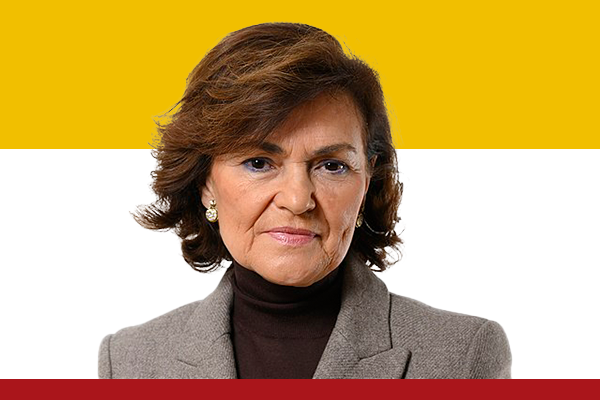
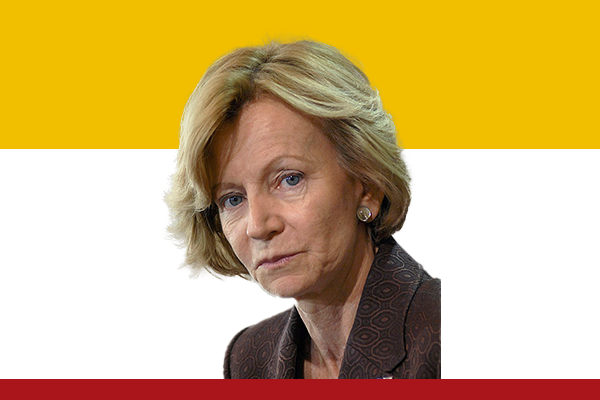
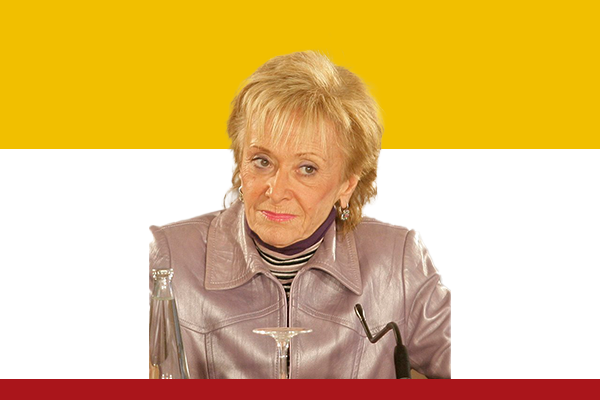
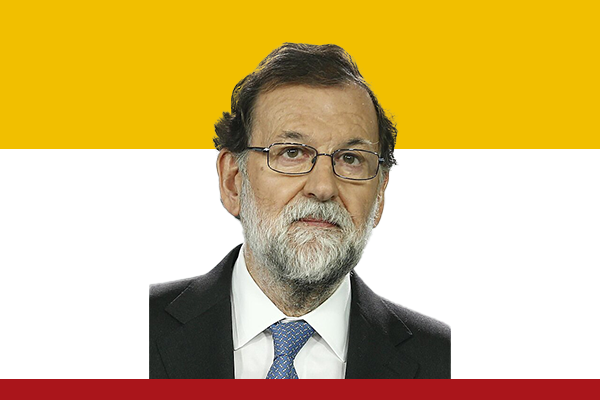
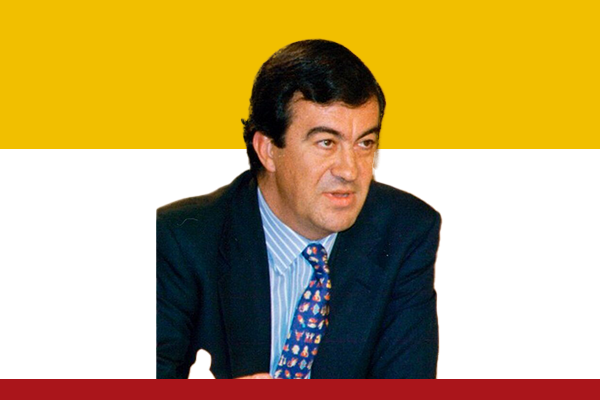
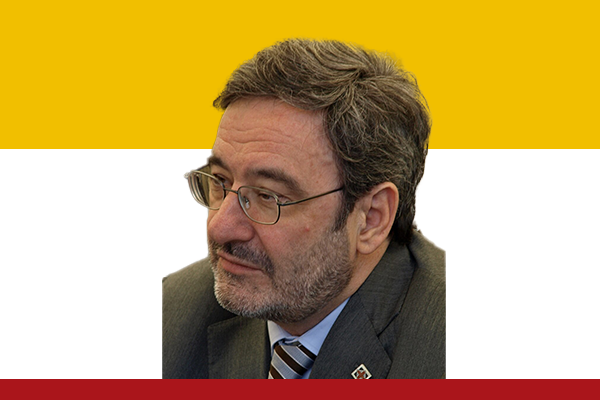
LIST OF VICE PRESIDENTS OF SPAIN






Role and Responsibilities
The Vice President of Spain acts as the second-highest authority in the executive branch, ranking immediately after the Prime Minister. The vice president assists the Prime Minister in coordinating ministerial work, supervising government policy, and ensuring smooth administrative functioning. In situations where the Prime Minister cannot perform their duties, the vice president temporarily assumes leadership responsibilities to maintain continuity.
The specific duties of each vice president depend on the portfolio assigned by the Prime Minister. Some vice presidents oversee economic affairs, while others handle political coordination, social rights, or environmental policies. Because of this flexibility, the role evolves with each administration, reflecting Spain’s shifting political and social priorities.
Historical Development
Spain first introduced the role of Vice President after the Franco era as part of broader democratic reforms. Early vice presidents played vital roles in guiding Spain through its transition to democracy. Over the years, the office has grown in influence, often becoming a platform for future political leadership. Some vice presidents have later served as Prime Minister or taken on other high-level roles in European or international institutions.
The number of vice presidents has also varied. Some governments preferred a single vice president to maintain a streamlined structure, while others appointed multiple vice presidents to represent coalition partners or balance responsibilities across various policy areas.
Notable Vice Presidents
Prominent vice presidents have shaped Spain’s modern political direction. Some contributed to economic modernization, championed social reforms, or promoted regional cooperation. Others focused on strengthening Spain’s role in international diplomacy. Many vice presidents gained recognition for their ability to manage crises, negotiate within coalition governments, and support the Prime Minister in major policy decisions.
Political Significance
The office of the Vice President adds stability and structure to Spain’s executive leadership. By delegating significant responsibilities, the Prime Minister ensures efficient government operation and rapid policy response. Vice presidents often act as key spokespersons, mediators between ministries, and architects of major reforms. Their leadership helps support national development, economic growth, and social welfare programs.
Conclusion
The Vice Presidents of Spain hold a vital place in the country’s political framework. Their flexible role, historical evolution, and significant influence on policy-making make them essential to the functioning of Spain’s democratic government. As Spain continues to adapt to new challenges, the position of vice president remains a cornerstone of effective leadership and coordinated governance.