PRIME MINISTERS OF ISRAEL
Introduction
The office of the Prime Minister of Israel has played a central role in shaping the nation’s political direction, security strategies, and foreign policy since Israel’s establishment in 1948. Each leader has dealt with challenges such as regional conflicts, diplomatic negotiations, internal social divisions, and economic transformation. Together, they form a significant timeline of Israel’s political evolution.
LIST OF PRIME MINISTERS OF ISRAEL

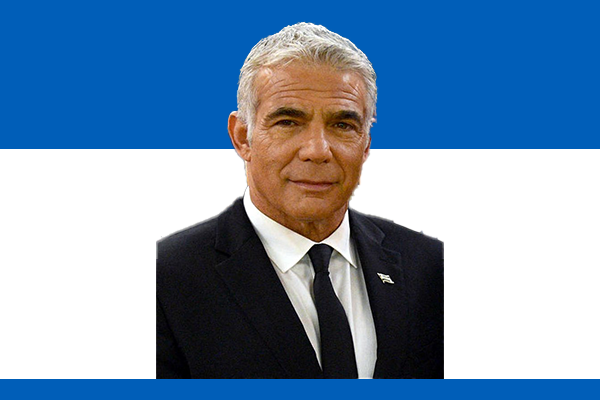

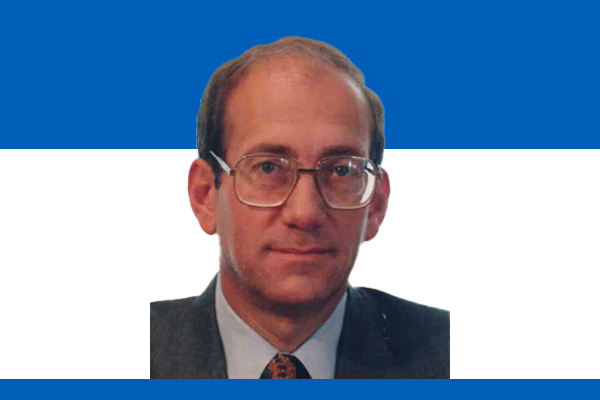
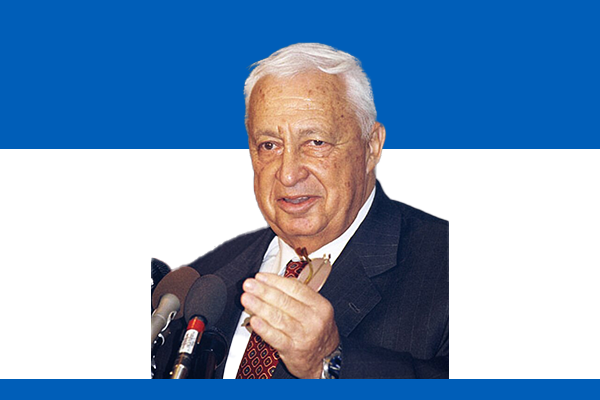


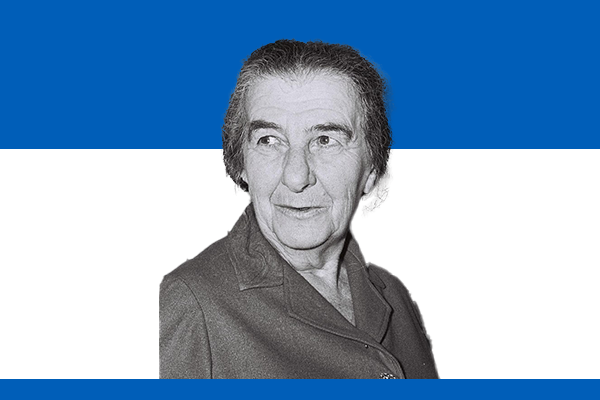

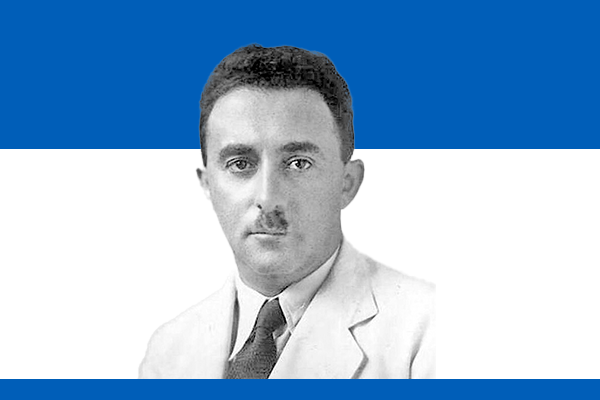
Foundational Leadership (1948–1963)
David Ben-Gurion
David Ben-Gurion served as Israel’s first Prime Minister and laid the foundations of the new state. He oversaw the formation of national institutions, welcomed large waves of Jewish immigration, and strengthened the defense establishment. His leadership focused on unifying diverse communities and building a strong national identity.
Moshe Sharett
Moshe Sharett emphasized diplomacy and international relations. His approach toward foreign policy shaped Israel’s early engagement with global powers and the United Nations.
Era of Consolidation and Conflict (1963–1977)
Levi Eshkol
Levi Eshkol navigated political and military tensions and led Israel during the Six-Day War of 1967, a turning point in regional geopolitics.
Golda Meir
Golda Meir became one of Israel’s most iconic leaders. She governed during turbulent times, including the Yom Kippur War of 1973, and worked to strengthen alliances with global partners.
Yitzhak Rabin (First Term)
Yitzhak Rabin first served from 1974 to 1977. His administration focused on security reforms and rebuilding confidence after the Yom Kippur War.
Political Transformation and Economic Shifts (1977–1990s)
Menachem Begin
Menachem Begin marked a shift in Israeli politics by bringing the Likud party to power. Under his leadership, Israel signed a historic peace treaty with Egypt, demonstrating a major diplomatic achievement.
Yitzhak Shamir
Yitzhak Shamir emphasized security and stability. His leadership demonstrated a firm approach toward defense and political negotiations.
Yitzhak Rabin (Second Term)
During his second term, Rabin supported the Oslo Accords, which aimed to create a framework for peace with the Palestinians. His assassination in 1995 was a shock to the nation.
Shimon Peres
Shimon Peres is remembered for promoting peace initiatives and technological development.
Modern Leadership (2000s–Present)
Ehud Barak, Ariel Sharon, and Ehud Olmert
These leaders navigated challenges such as the Second Intifada, disengagement from Gaza, and shifts in Israel’s political landscape.
Benjamin Netanyahu
Benjamin Netanyahu served multiple long terms and became one of Israel’s longest-serving Prime Ministers. His tenure focused on security, economic growth, and strengthening Israel’s global partnerships.
Conclusion
The Prime Ministers of Israel have shaped the nation through wars, peace efforts, economic reforms, and diplomatic breakthroughs. Their collective leadership continues to influence Israel’s identity and future trajectory.