PRIME MINISTERS OF MYANMAR
Prime Ministers of Myanmar
Myanmar, formerly known as Burma, has experienced a complex political history marked by colonial rule, parliamentary democracy, military governance, and political transitions. The position of Prime Minister of Myanmar existed mainly during the parliamentary period and was later replaced by military-led structures. Below is an overview of Myanmar’s prime ministers and their historical roles.
LIST OF PRIME MINISTERS OF MYANMAR

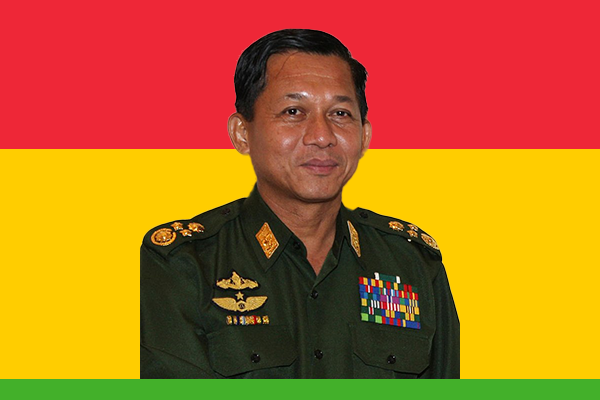
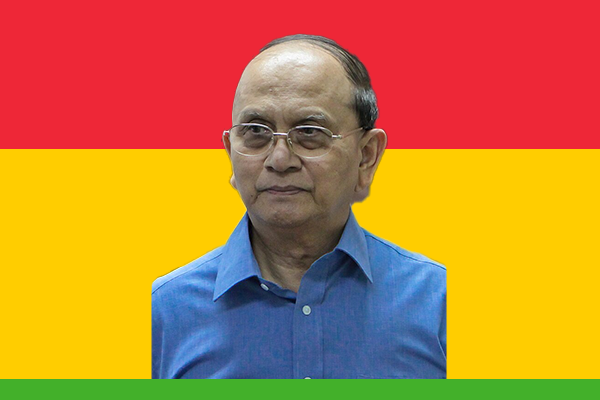

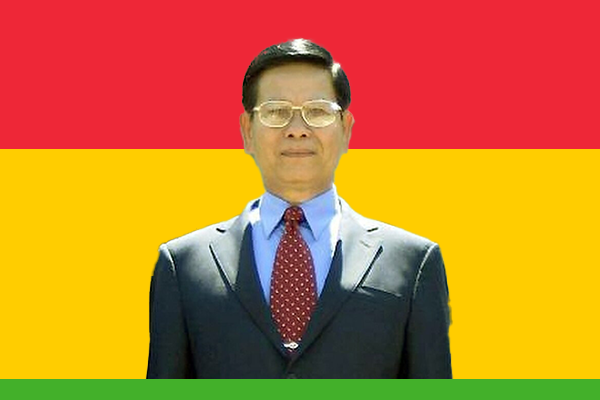
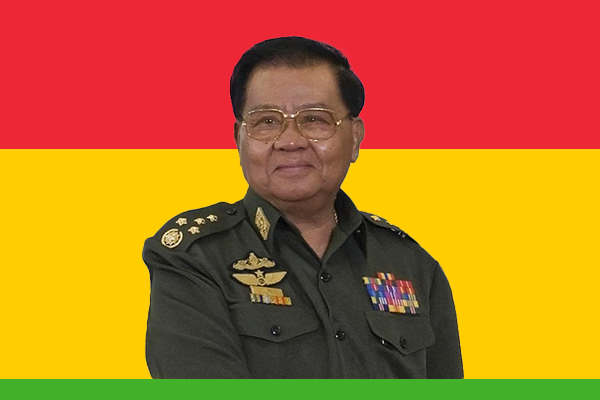



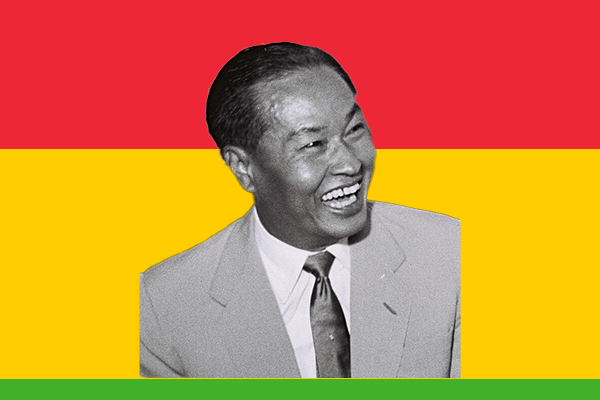


U Nu (1948–1956; 1957–1958; 1960–1962)
U Nu was Myanmar’s first and most prominent prime minister after independence from British rule in 1948. A close associate of independence leader Aung San, U Nu led the country during its early democratic years. He focused on establishing parliamentary democracy, promoting Buddhism, and maintaining national unity. However, ethnic conflicts and political instability challenged his leadership. His final term ended with a military coup in 1962.
Ba Swe (1956–1957)
Ba Swe served briefly as prime minister during a period of internal division within the ruling Anti-Fascist People’s Freedom League. His tenure was marked by factional struggles and political instability. Despite the short duration, Ba Swe played a role in early post-independence governance.
U Ne Win (1958–1960)
General Ne Win served as caretaker prime minister after the military intervened to stabilize the political situation. His government temporarily restored order and organized elections. Although he returned power to civilian leadership in 1960, Ne Win later seized power permanently through a coup in 1962, reshaping Myanmar’s political system.
Tun Pe (1957)
Tun Pe briefly held the position of prime minister during a transitional phase. His short tenure reflected the ongoing instability and frequent leadership changes of the late 1950s.
U Nu’s Return and Final Civilian Rule (1960–1962)
U Nu returned to power after winning the 1960 general elections. This period marked the last phase of civilian parliamentary rule in Myanmar. Despite electoral success, political tensions and military dissatisfaction culminated in the 1962 coup led by Ne Win, ending the prime ministerial system.
Abolition of the Prime Minister’s Office (1962)
Following the 1962 coup, the position of prime minister was effectively abolished. Myanmar came under military rule, with power centralized under the Revolutionary Council and later the Burma Socialist Programme Party. Leadership titles shifted to Chairman, President, or State Administration Council head.
Legacy of Myanmar’s Prime Ministers
The prime ministers of Myanmar played a crucial role in shaping the nation during its formative democratic years. Their leadership reflected hopes for parliamentary democracy but was challenged by ethnic divisions, economic difficulties, and military influence. Although the role no longer exists in modern Myanmar’s political structure, the legacy of these leaders remains central to understanding the country’s political evolution.
Conclusion
The history of Myanmar’s prime ministers highlights a brief yet significant chapter in the nation’s governance. From U Nu’s democratic vision to the military’s growing dominance, this period laid the foundation for Myanmar’s long and complex political journey.