PRESIDENTS OF GEORGIA
Presidents of Georgia
The office of the President of Georgia has played a central role in shaping the political development of the country since its independence from the Soviet Union in 1991. Georgia, located at the crossroads of Eastern Europe and Western Asia, adopted a semi-presidential system after independence, though constitutional reforms over the years have shifted more executive power to the prime minister and parliament.
LIST OF PRESIDENTS OF GEORGIA
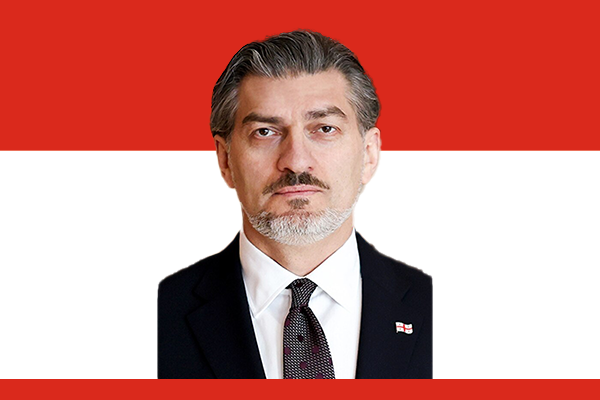
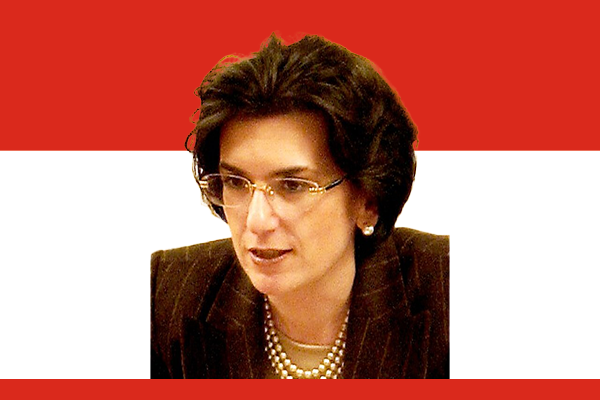
Zviad Gamsakhurdia (1991–1992)
Zviad Gamsakhurdia was the first democratically elected President of Georgia after independence. A former dissident and nationalist leader, he was elected in 1991 with overwhelming support. However, his presidency was marked by political instability, internal conflict, and accusations of authoritarianism. In late 1991, a military coup forced him from office, leading to a period of civil unrest. His removal marked the beginning of a turbulent chapter in Georgia’s early post-Soviet history.
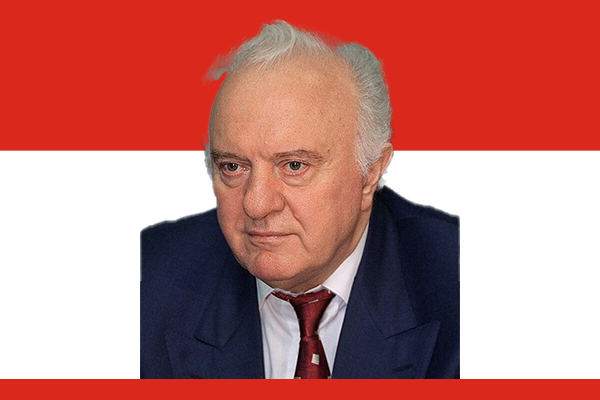
Eduard Shevardnadze (1995–2003)
After a period of interim leadership, Eduard Shevardnadze, a former Soviet foreign minister, became Georgia’s head of state and later president under the 1995 constitution. His tenure focused on stabilizing the country, improving foreign relations, and pursuing economic reforms. However, his administration faced criticism over corruption and economic difficulties. Mass protests following disputed parliamentary elections in 2003 led to the peaceful “Rose Revolution,” which resulted in his resignation.
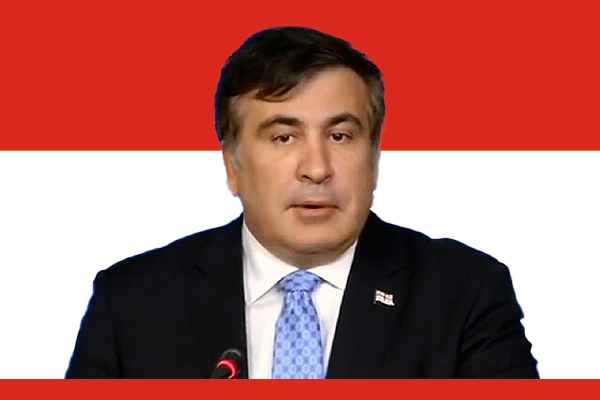
Mikheil Saakashvili (2004–2013)
Mikheil Saakashvili came to power after the Rose Revolution with a strong reform agenda. His presidency emphasized anti-corruption measures, modernization, and strengthening ties with Western institutions such as NATO and the European Union. While he implemented significant reforms in law enforcement and public services, his administration was also criticized for concerns about media freedom and political opposition. His tenure included the 2008 war with Russia, which significantly impacted Georgia’s territorial integrity.
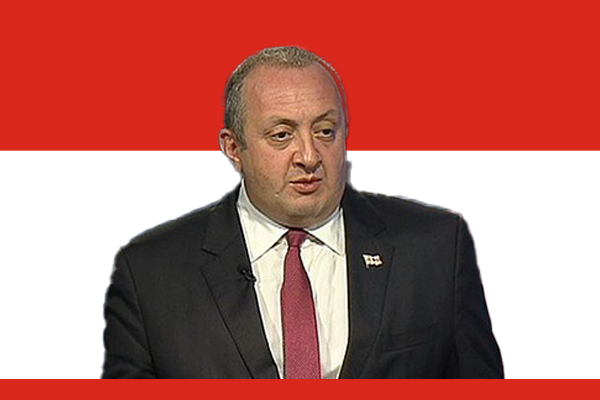
Giorgi Margvelashvili (2013–2018)
Giorgi Margvelashvili served during a period of constitutional transition. Reforms adopted in 2017 gradually reduced presidential powers and strengthened the role of parliament and the prime minister. His presidency was marked by efforts to promote democratic consolidation and maintain Georgia’s pro-European foreign policy orientation.
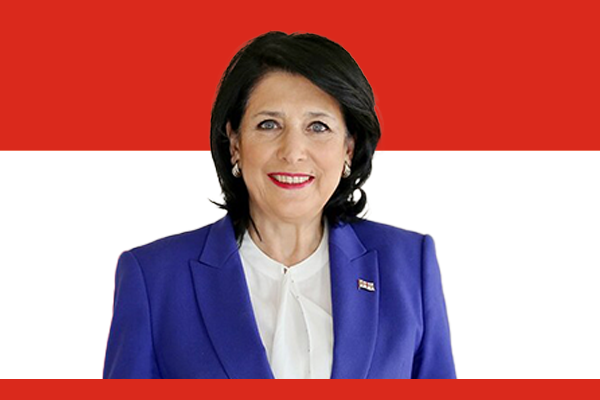
Salome Zourabichvili (2018–Present)
Salome Zourabichvili became Georgia’s first female president in 2018. A former diplomat, she emphasized European integration and national unity. Under the new constitutional framework, the presidency became largely ceremonial, with limited executive authority. She has continued to advocate for closer ties with Western partners and democratic reforms.
Conclusion
Since independence, Georgia’s presidents have navigated political instability, constitutional reforms, and shifting geopolitical pressures. While the role of the presidency has evolved from a powerful executive office to a more ceremonial position, each president has significantly influenced the nation’s democratic development and international alignment.