Presidents of Germany

The office of the President of Germany, officially known as the Federal President, is the head of state of the country. The position was first established in 1919 during the Weimar Republic and was re-established in 1949 after World War II with the creation of the Federal Republic of Germany. Below is a list of the Presidents of Germany from the Weimar Republic to the present Federal Republic.

LIST OF PRESIDENTS OF GERMANY

="timeline-item"
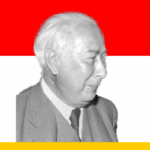
Theodor Heuss

Theodor Heuss (1884–1963) was the first Federal President of the Federal Republic of Germany, serving from 1949 to 1959. A member of the Free Democratic Party (FDP), he played a key role in rebuilding Germany’s democratic institutions after World War II. Heuss worked to restore Germany’s international reputation and promote reconciliation. Known for his intellect and moderate leadership, he helped lay the foundation for modern German democracy.

="timeline-item"
Heinrich Lübke

Heinrich Lübke (1894–1972) was the second Federal President of the Federal Republic of Germany, serving from 1959 to 1969. A member of the Christian Democratic Union (CDU), he previously held the position of Federal Minister of Food and Agriculture. As president, Lübke focused on strengthening Germany’s international relations and promoting development cooperation with newly independent nations. His presidency later faced controversy regarding allegations about his activities during the Nazi era.

="timeline-item"
Gustav Heinemann

Gustav Heinemann (1899–1976) was the third Federal President of Germany, serving from 1969 to 1974. A member of the Social Democratic Party (SPD), he was known for his strong commitment to democracy, civil rights, and reconciliation. Heinemann opposed militarism and emphasized citizens’ participation in public life. As president, he promoted social justice and encouraged open dialogue about Germany’s past, helping strengthen democratic values in postwar Germany.

="timeline-item"
Walter Scheel

Walter Scheel (1919–2016) was a German statesman who served as President of the Federal Republic of Germany from 1974 to 1979. A member of the Free Democratic Party (FDP), he previously held office as Foreign Minister and Vice Chancellor under Chancellor Willy Brandt. Scheel played a significant role in shaping West Germany’s Ostpolitik, improving relations with Eastern Europe. As President, he promoted democracy, European cooperation, and international understanding.

="timeline-item"
Karl Carstens

Karl Carstens (1914–1992) was a German politician who served as the President of the Federal Republic of Germany from 1979 to 1984. A member of the Christian Democratic Union (CDU), he previously held positions such as President of the Bundestag and Federal Minister. Carstens was known for promoting national unity and strengthening democratic values. He became especially popular for his long hiking tours across Germany, symbolizing his close connection with the people.

="timeline-item"
Richard Freiherr von Weizsäcker

Richard von Weizsäcker (1920–2015) was a respected German statesman who served as President of Germany from 1984 to 1994. A member of the Christian Democratic Union (CDU), he became internationally known for his 1985 speech marking the 40th anniversary of the end of World War II, calling May 8, 1945, a “day of liberation.” He played an important moral and symbolic role during German reunification in 1990 and promoted reconciliation and democratic values.

="timeline-item"
Roman Herzog

Roman Herzog (1934–2017) was a German politician and legal scholar who served as President of Germany from 1994 to 1999. Before his presidency, he was President of the Federal Constitutional Court. Herzog is best remembered for his 1997 “Berlin Speech,” in which he called for economic reforms and modernization in Germany. He emphasized innovation, competitiveness, and education. His leadership encouraged public debate about Germany’s future in a rapidly changing global environment.

="timeline-item"
Johannes Rau

Johannes Rau (1931–2006) was the President of Germany from 1999 to 2004. A leading member of the Social Democratic Party (SPD), he previously served for many years as Minister-President of North Rhine-Westphalia. Rau was known for promoting tolerance, social justice, and interfaith dialogue. In 2000, he became the first German president to address the Israeli parliament, emphasizing reconciliation and Germany’s historical responsibility.

="timeline-item"
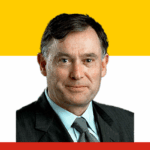
Horst Köhler

Horst Köhler (1943–2025) was a German politician who served as President of Germany from 2004 to 2010. Before his presidency, he was Managing Director of the International Monetary Fund (IMF). Köhler focused on economic reform, globalization, and Africa–Europe cooperation. In 2010, he resigned after controversial remarks regarding Germany’s military missions abroad. He was known for his expertise in finance and international development policy.

="timeline-item"
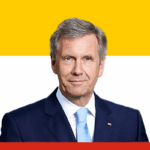
Christian Wulff

Christian Wulff (born 19 June 1959) is a German politician who served as President of Germany from 2010 to 2012. A member of the Christian Democratic Union (CDU), he previously held office as Minister-President of Lower Saxony from 2003 to 2010. Wulff became the youngest Federal President in Germany’s history. He resigned in 2012 following allegations of financial impropriety, though he was later acquitted by a court in 2014.

="timeline-item"
Joachim Gauck

Joachim Gauck (born 1940) is a German politician and former pastor who served as President of Germany from 2012 to 2017. Before entering politics, he was a Lutheran pastor in East Germany and an active civil rights advocate during communist rule. After reunification, he led the authority managing Stasi secret police files. As president, Gauck emphasized democracy, freedom, human rights, and Germany’s responsibility in international affairs. He chose not to seek a second term in 2017.

="timeline-item"
Frank-Walter Steinmeier

Frank-Walter Steinmeier is the President of Germany, serving since 2017. Born on January 5, 1956, he is a member of the Social Democratic Party (SPD). Before becoming president, he served twice as Germany’s Foreign Minister and was Vice Chancellor from 2007 to 2009. Steinmeier is known for his diplomatic experience and commitment to democracy, European unity, and international cooperation. He was re-elected as Federal President in 2022.

residents of the Federal Republic of Germany (West Germany and Unified Germany)

Theodor Heuss (1949–1959)
Theodor Heuss became the first Federal President of West Germany in 1949. He helped restore Germany’s international reputation after World War II and supported democratic development.

Heinrich Lübke (1959–1969)
Lübke served two terms and focused on international diplomacy and development cooperation.

Gustav Heinemann (1969–1974)
Known for his commitment to civil rights and reconciliation, Heinemann emphasized democracy and social justice.

Walter Scheel (1974–1979)
Scheel previously served as Foreign Minister and contributed to Germany’s Ostpolitik (Eastern policy).

Karl Carstens (1979–1984)
Carstens promoted national unity and was known for his walking tours across Germany.

Richard von Weizsäcker (1984–1994)
He served during German reunification in 1990 and is remembered for his powerful speeches about Germany’s past.

Roman Herzog (1994–1999)
Herzog called for economic reforms and modernization.

Johannes Rau (1999–2004)
Rau promoted tolerance, integration, and interfaith dialogue.

Horst Köhler (2004–2010)
Köhler resigned in 2010 following controversy over comments about military deployments abroad.

Christian Wulff (2010–2012)
Wulff resigned amid allegations of financial misconduct.

Joachim Gauck (2012–2017)
A former East German pastor and civil rights activist, Gauck emphasized freedom and democracy.

Frank-Walter Steinmeier (2017–present)
Steinmeier, a former Foreign Minister, continues to serve as President. He was re-elected in 2022 and represents Germany in international affairs.
Back to top of page