PRESIDENTS OF AUSTRIA
Presidents of Austria
Austria is a federal republic in Central Europe known for its rich history, cultural heritage, and democratic system of government. The President of Austria serves as the head of state and represents the unity and stability of the nation. Although the Austrian Chancellor leads the government and handles most executive duties, the president plays an important constitutional and ceremonial role. The president also appoints the chancellor, signs laws, and represents Austria in international affairs.
LIST OF PRESIDENTS OF AUSTRIA
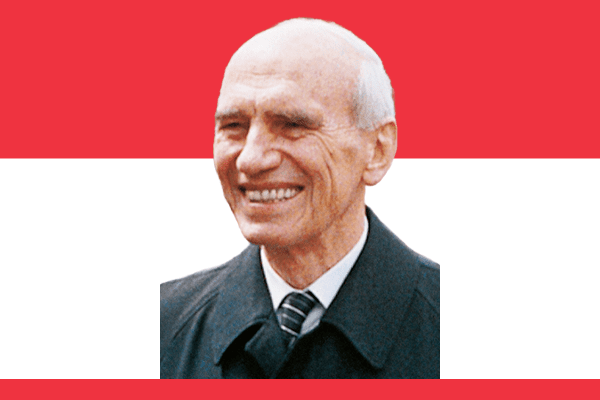
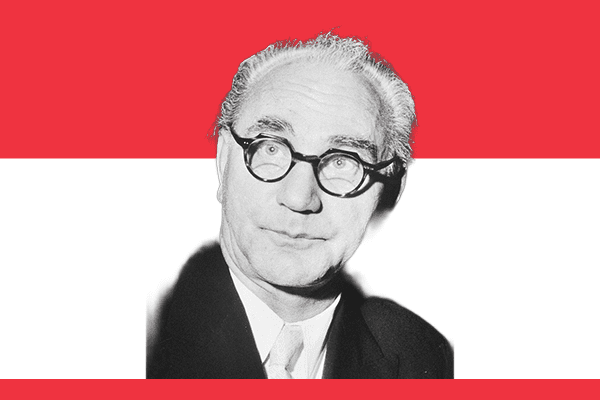
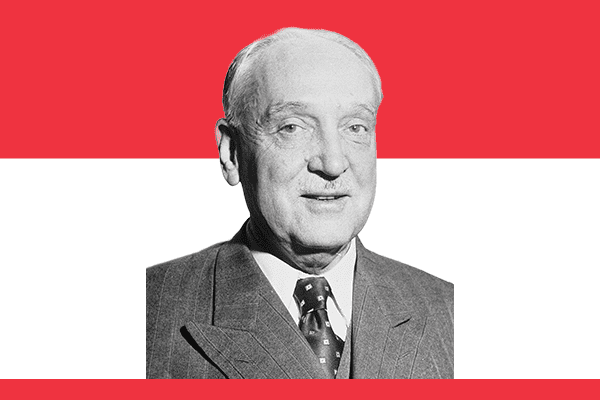
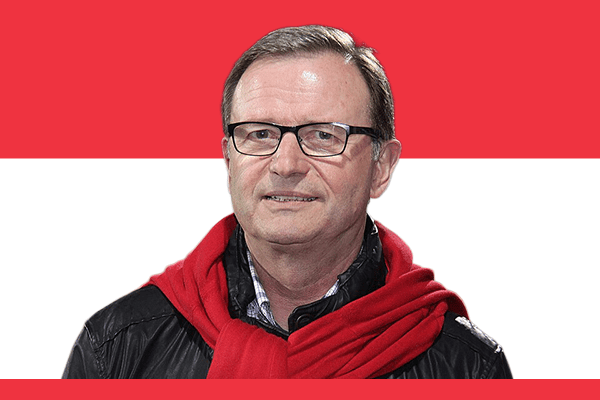
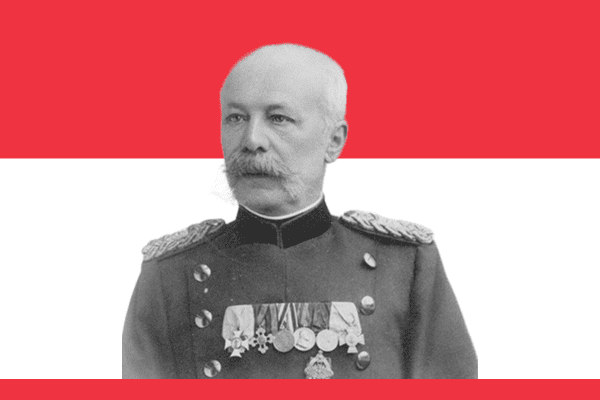
Early Presidents of Austria
The first president of modern Austria was Karl Seitz, who served after the collapse of the Austro-Hungarian Empire. During the early years, Austria faced economic struggles and political instability.
Another important leader was Wilhelm Miklas, who served during the 1930s. His presidency came at a difficult time when Austria experienced authoritarian rule and increasing pressure from Nazi Germany. In 1938, Austria was annexed by Germany in the event known as the Anschluss.
Post-World War II Presidents
After World War II, Austria rebuilt itself as a democratic republic. Karl Renner became one of the key figures in restoring the country’s independence and democratic institutions.
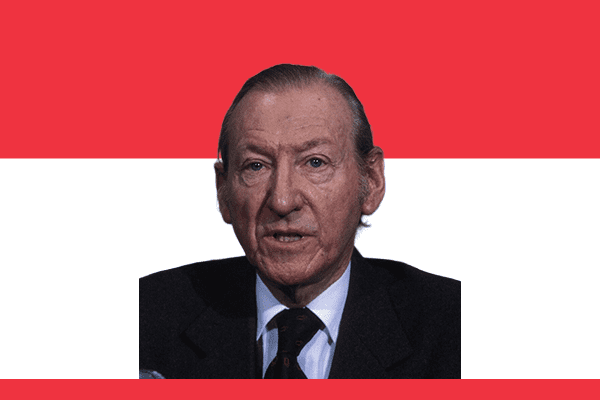
Later, Theodor Körner helped strengthen Austria’s international reputation. Adolf Schärf and Franz Jonas continued supporting political stability and economic development during the post-war decades.
Modern Presidents
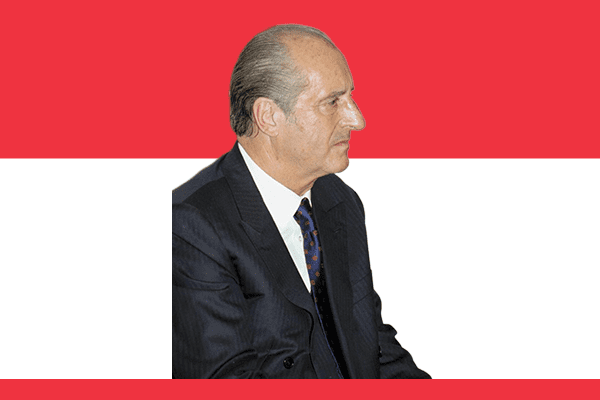
In the modern era, Austria has had several influential presidents. Rudolf Kirchschläger was respected for his honesty and commitment to human rights. Thomas Klestil worked to improve Austria’s image in Europe and strengthen diplomatic relations.
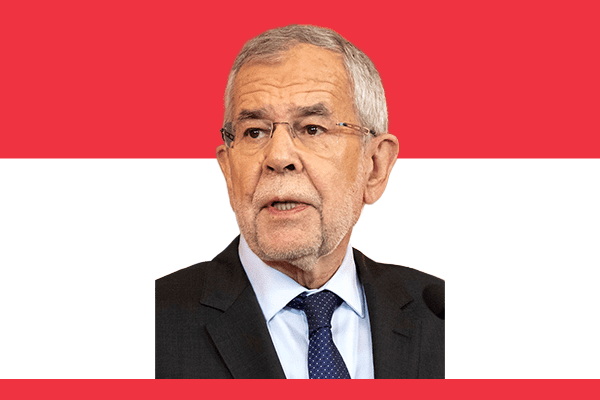
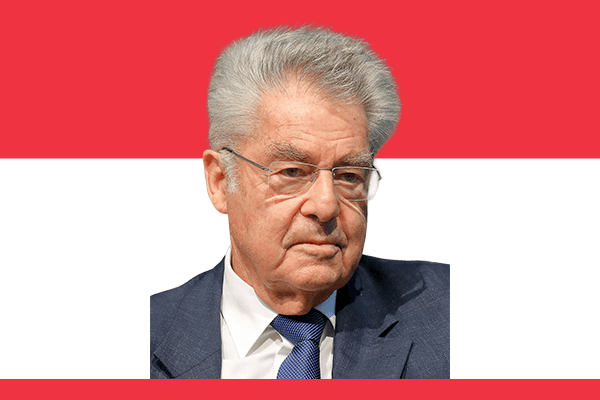
Heinz Fischer served from 2004 to 2016 and was known for his calm leadership and dedication to democracy. The current president, Alexander Van der Bellen, has focused on environmental issues, European cooperation, and political unity. He became internationally known for promoting democratic values and stability during politically challenging times.
Role of the President
The President of Austria is elected directly by the people for a six-year term. The office includes important constitutional powers such as appointing the federal government, dissolving parliament in special situations, and serving as commander-in-chief of the armed forces. However, most daily political decisions are handled by the chancellor and parliament.
Conclusion
The presidents of Austria have played an essential role in shaping the country’s democratic traditions and international identity. From the difficult years after World War I to the modern European era, Austrian presidents have helped maintain stability, represent national unity, and support the country’s development as a respected democratic nation.