PRIME MINISTERS OF CHINA
The Prime Minister of China, officially known as the Premier of the State Council, is the head of the central government and the second most powerful figure in China after the President and Communist Party General Secretary. Since the founding of the People’s Republic of China in 1949, several prominent premiers have shaped the nation’s development and policies.
LIST OF PRIME MINISTERS OF CHINA


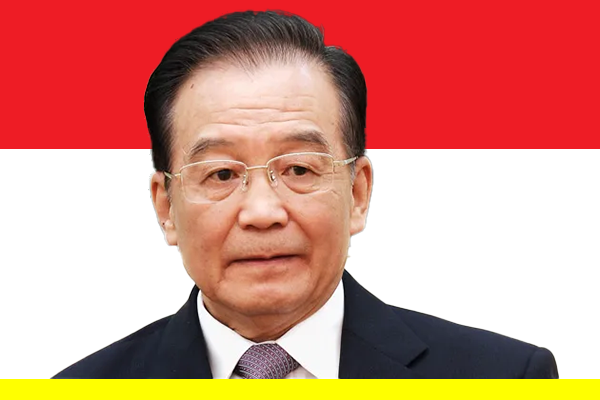
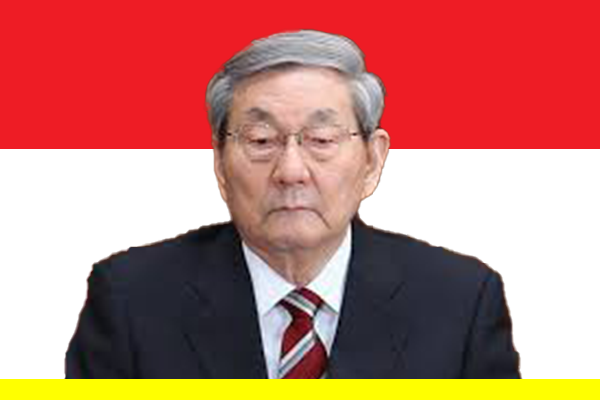

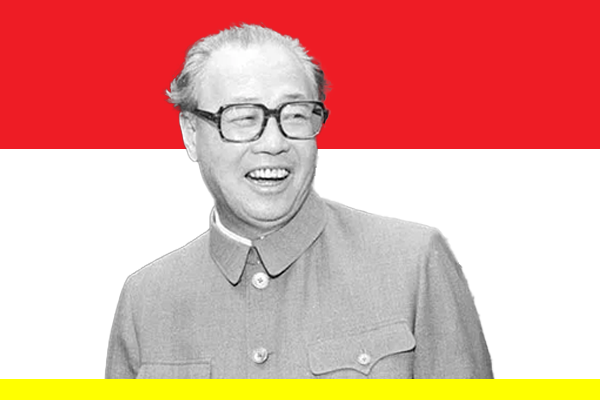
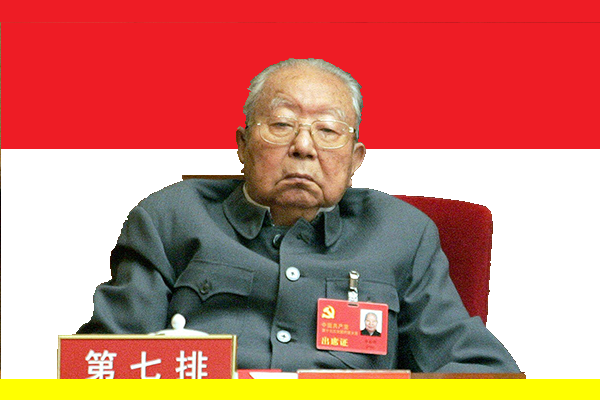
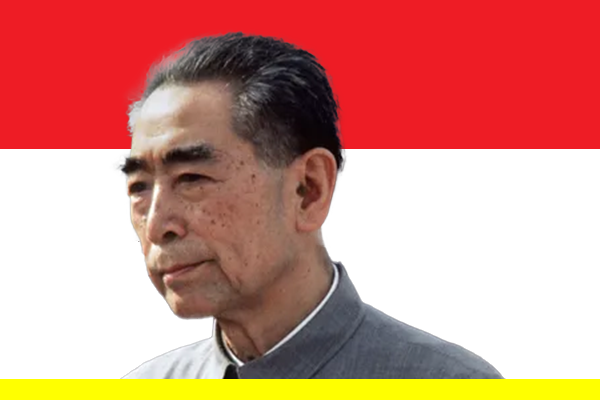
Zhou Enlai (1949–1976)
Zhou Enlai was the first and one of the most respected premiers. Serving under Mao Zedong, he played a central role in consolidating Communist rule, managing foreign policy, and maintaining government stability during the Cultural Revolution. He also helped initiate China’s re-engagement with the West, including President Nixon’s 1972 visit.
Hua Guofeng (1976–1980)
Hua briefly led the country after Mao’s death, holding both the roles of Premier and Party Chairman. He promoted the “Two Whatevers” policy — following Mao’s directives — but was soon eclipsed by Deng Xiaoping’s rise.
Zhao Ziyang (1980–1987)
A reformist, Zhao was instrumental in launching China’s economic modernization. He promoted rural reforms, private enterprise, and decentralization. Later, as General Secretary, he was purged after opposing the crackdown on the 1989 Tiananmen protests.
Li Peng (1988–1998)
Li is best known for his conservative stance during political unrest. He supported economic reforms but took a hardline position during the Tiananmen Square protests, for which he remains a controversial figure.
Zhu Rongji (1998–2003)
A decisive reformer, Zhu tackled corruption and led major overhauls of state-owned enterprises. His leadership during China’s WTO accession in 2001 helped integrate China into the global economy.
Wen Jiabao (2003–2013)
Wen had a reputation as a compassionate and moderate leader. He focused on reducing poverty, expanding education and healthcare, and managing the impact of the 2008 global financial crisis. Despite public calls for reform, Wen’s liberal ambitions were constrained.
Li Keqiang (2013–2023)
Li, an economist by training, advocated for market liberalization and innovation. However, his influence was diminished as Xi Jinping centralized power, making the premier’s role more administrative than autonomous.
Li Qiang (2023–Present)
A close ally of Xi Jinping, Li Qiang became Premier amid econlomic uncertainty. His appointment marks a shift toward even tighter Party control over state functions, with Xi holding supreme authority.
Conclusion
From Zhou Enlai’s diplomacy to Li Qiang’s Party loyalty, China’s premiers have reflected the nation’s political shifts — from revolutionary roots to technocratic reform and finally to centralized, top-down governance under Xi Jinping.