PRIME MINISTERS OF BOSNIA AND HERZEGOVINA
Prime Ministers of Bosnia and Herzegovina
The office of the Prime Minister of Bosnia and Herzegovina plays a significant role in the country’s executive government. Officially known as the Chairperson of the Council of Ministers, the Prime Minister coordinates the work of the Council of Ministers and oversees the implementation of national policies. Since Bosnia and Herzegovina has a unique political system established after the 1995 Dayton Peace Agreement, the Prime Minister works alongside a rotating three-member Presidency representing the country’s major ethnic groups. Over the years, several leaders have served in this position, helping the nation recover from war, strengthen democratic institutions, and move toward European integration.
LIST OF PRIME MINISTERS OF BOSNIA AND HERZEGOVINA
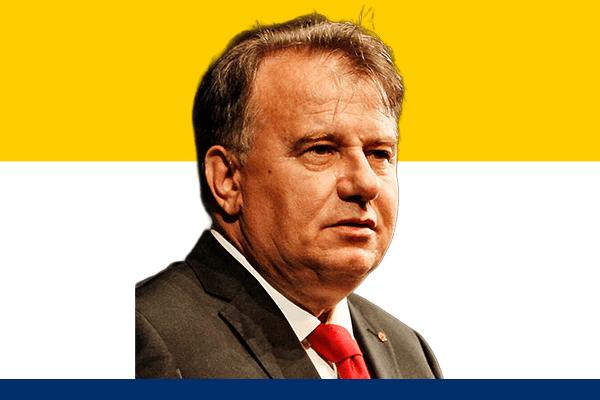
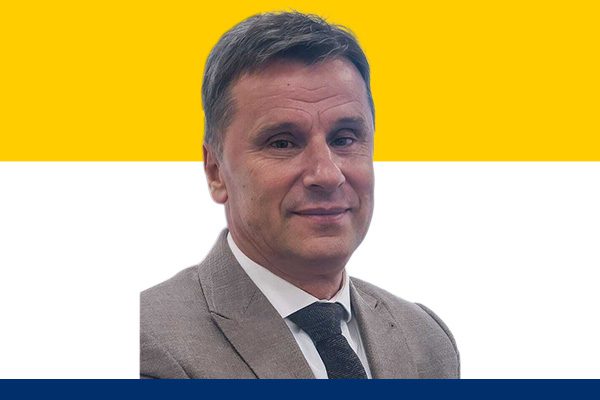




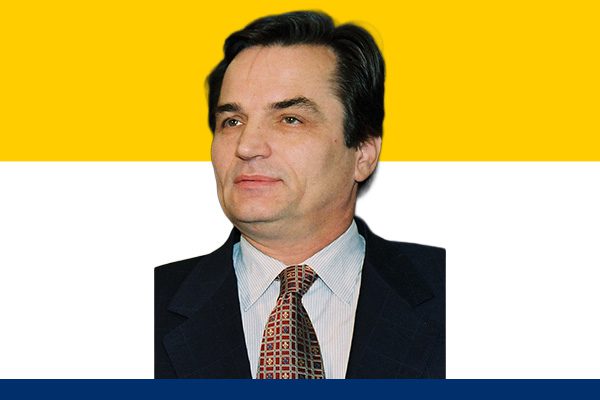
List of Prime Ministers of Bosnia and Herzegovina
1. Haris Silajdžić (1997–1999)
Haris Silajdžić became one of the first Prime Ministers after the Dayton Agreement. His government focused on rebuilding the country following the Bosnian War. He worked to restore public institutions, improve international relations, and attract foreign assistance for reconstruction. His leadership helped establish the foundations of Bosnia and Herzegovina’s modern government.
2. Martin Raguž (Acting, 2000)
Martin Raguž briefly served as Acting Prime Minister during a period of political transition. Although his term was short, he ensured that government operations continued smoothly until a permanent government was formed.
3. Božo Matić (2001–2002)
Božo Matić concentrated on economic reforms and improving cooperation among the country’s different political groups. His administration encouraged investment and worked to strengthen state institutions while maintaining stability.
4. Adnan Terzić (2002–2007)
Adnan Terzić served one of the longest terms as Prime Minister. He promoted economic modernization, public administration reforms, and closer cooperation with the European Union. His government made progress in improving infrastructure and strengthening Bosnia and Herzegovina’s international partnerships.
5. Nikola Špirić (2007–2012)
Nikola Špirić led the government during a challenging political period. He emphasized fiscal stability, regional cooperation, and continued efforts toward European integration. His administration also addressed the effects of the global financial crisis on the national economy.
6. Vjekoslav Bevanda (2012–2015)
Vjekoslav Bevanda focused on economic recovery, financial reforms, and maintaining political stability. His government worked closely with international organizations to improve public finances and support development projects.
7. Denis Zvizdić (2015–2019)
Denis Zvizdić prioritized European Union membership and regional cooperation. His administration implemented reforms related to governance, transportation, and economic development while encouraging stronger diplomatic relations with neighboring countries.
8. Zoran Tegeltija (2019–2023)
Zoran Tegeltija served during the COVID-19 pandemic, making public health and economic recovery key priorities. His government introduced measures to support businesses, strengthen healthcare services, and maintain economic stability during the global crisis.
9. Borjana Krišto (2023–Present)
Borjana Krišto is the current Chairperson of the Council of Ministers and the first woman to hold the position. Her government focuses on judicial reforms, economic growth, European Union accession, and improving cooperation among Bosnia and Herzegovina’s diverse political institutions.
Conclusion
The Prime Ministers of Bosnia and Herzegovina have guided the country through reconstruction, political reforms, economic development, and international cooperation since the end of the Bosnian War. Despite the country’s complex political structure, each leader has contributed to strengthening democratic governance and advancing Bosnia and Herzegovina’s goal of closer integration with Europe. The office remains essential in promoting stability, coordinating national policies, and supporting the country’s long-term development.