PRESIDENTS OF BOSNIA AND HERZEGOVINA
Presidents of Bosnia and Herzegovina
The presidency of Bosnia and Herzegovina is unique because it is shared by three members representing the country’s main ethnic groups: Bosniaks, Croats, and Serbs. This system was established under the Dayton Peace Agreement, which ended the Bosnian War in 1995. Instead of having a single president, the country has a three-member Presidency, with each member serving a four-year term. The chairmanship rotates among the three members every eight months, ensuring equal representation in the nation’s highest office.
LIST OF PRESIDENTS OF BOSNIA AND HERZEGOVINA

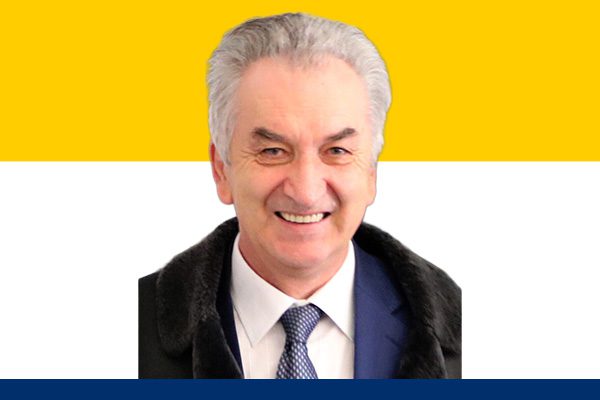
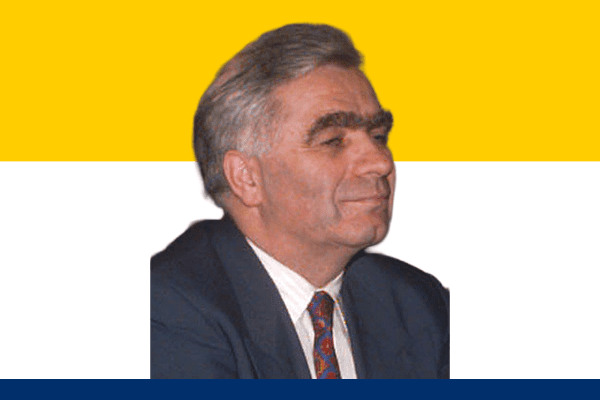
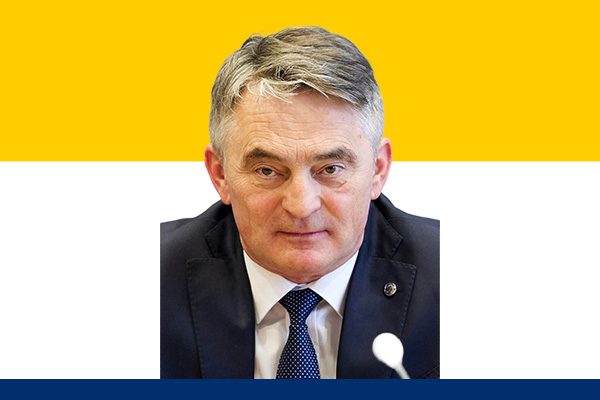
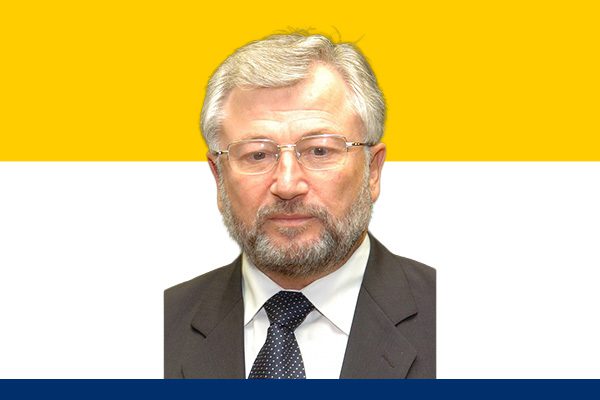
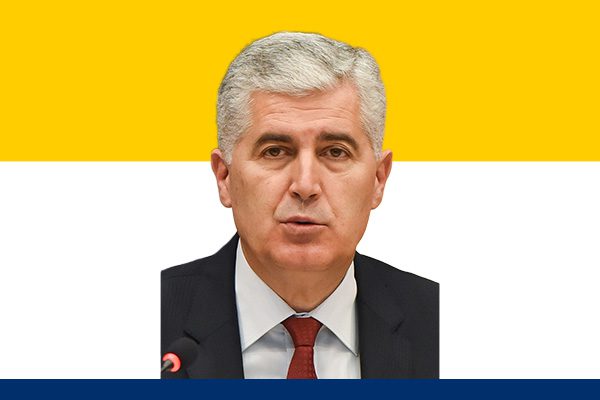
The First Presidency After Independence
Following Bosnia and Herzegovina’s declaration of independence in 1992, Alija Izetbegović became the country’s first head of state. He played a crucial role during the Bosnian War and represented the country in international peace negotiations. Izetbegović remained one of the most influential political figures until he resigned from the Presidency in 2000 due to health reasons.
Post-Dayton Presidents
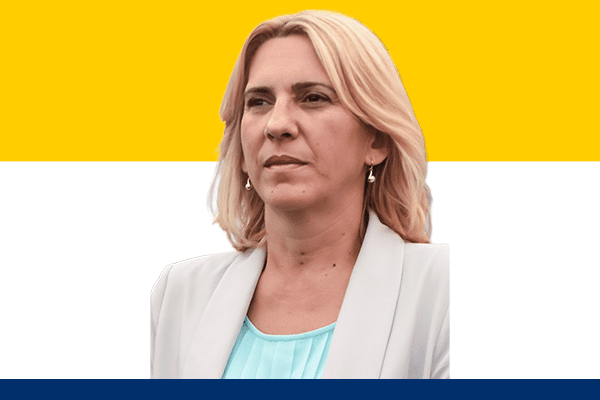
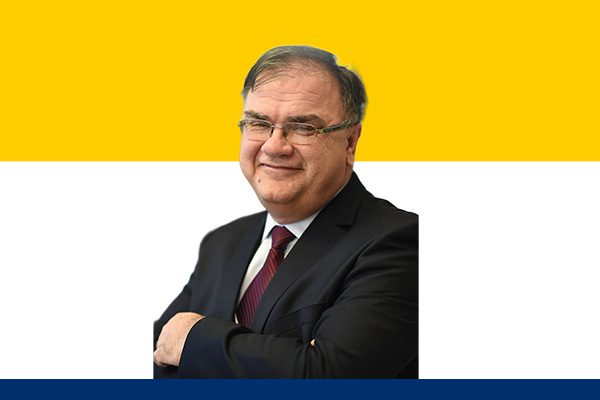
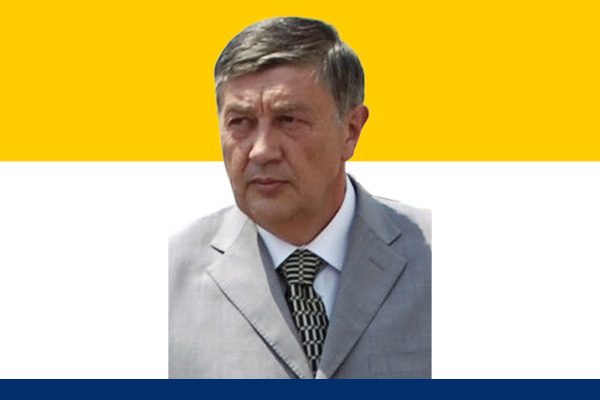
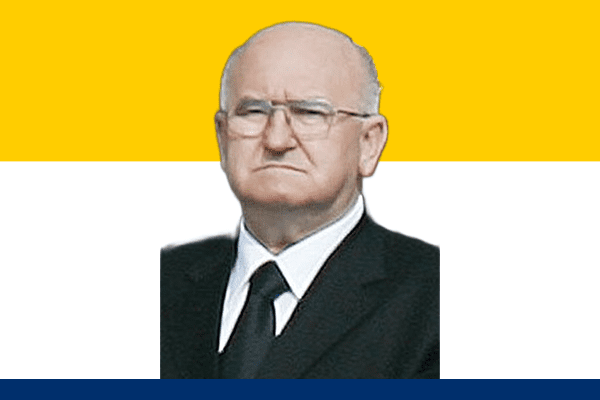
After the Dayton Agreement, Bosnia and Herzegovina adopted a collective Presidency. Several prominent leaders have served as members or chairpersons of the Presidency, including Živko Radišić, Ante Jelavić, Beriz Belkić, Sulejman Tihić, Nebojša Radmanović, Bakir Izetbegovi, Dragan Čović, and Mladen Ivanić. These leaders represented their respective communities while working together on national and international affairs.
Current Presidency
The current Presidency includes Željka Cvijanović, Denis Bećirović, and Željko Komšić. Each member has equal constitutional authority, and the position of Chairperson rotates regularly among them. Together, they represent Bosnia and Herzegovina in foreign relations, appoint ambassadors, negotiate international agreements, and oversee aspects of national defense and foreign policy.
Responsibilities of the Presidency
The Presidency is responsible for conducting foreign policy, proposing the national budget, appointing ambassadors, signing international treaties, and serving as the country’s commander-in-chief of the armed forces. Although decisions are generally made collectively, disagreements sometimes arise because each member represents different political and ethnic interests.
Conclusion
The Presidency of Bosnia and Herzegovina is one of the most distinctive political systems in the world. Designed to promote power-sharing and ethnic balance after years of conflict, it reflects the country’s commitment to maintaining peace and cooperation. While the collective leadership model can make decision-making more complex, it remains an essential part of Bosnia and Herzegovina’s constitutional framework and democratic governance.