VICE PRESIDENTS OF ETHIOPIA
Introduction
Ethiopia, a nation with a deep-rooted history and rich cultural heritage, has undergone significant political transformations over the years. The role of the Vice President in Ethiopia has evolved alongside the country’s changing political structure. While Ethiopia traditionally had a strong presidential system, the vice presidency played a supportive yet crucial role during transitional periods, especially in ensuring administrative continuity and stability.
LIST OF VICE PRESIDENTS OF ETHIOPIA
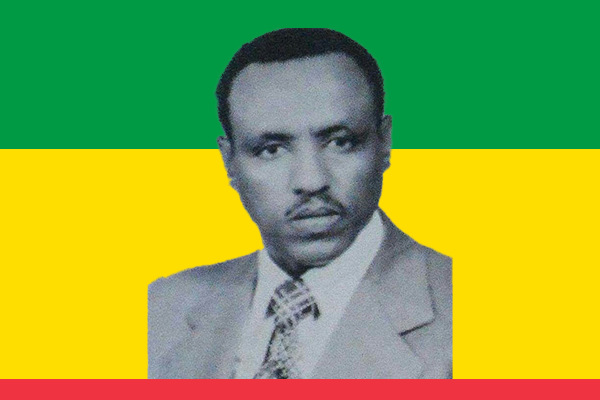
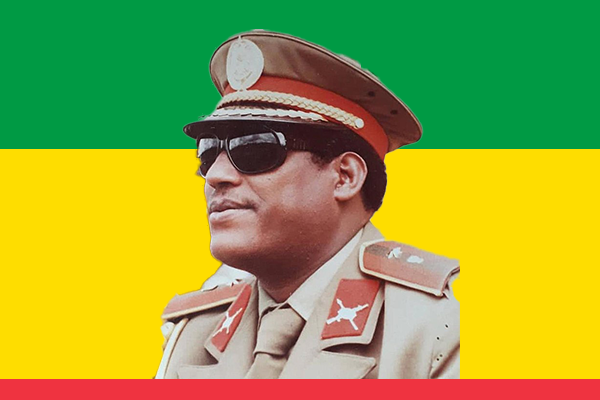
Historical Background
Ethiopia’s political system has changed multiple times—from monarchy to socialism, and eventually to a federal democratic republic. The position of Vice President became particularly relevant during the transitional government period after the fall of the Derg regime in 1991. During this phase, the office was established to provide balance, assist in governance, and promote national unity as Ethiopia reorganized its political framework.
Transitional Government and Early Vice Presidents
After the Ethiopian People’s Revolutionary Democratic Front (EPRDF) took power in 1991, the Transitional Government of Ethiopia (TGE) was formed. Tamrat Layne served as the first Vice President under Prime Minister Meles Zenawi. Layne played an active role in rebuilding the nation and fostering economic reforms. His position symbolized Ethiopia’s commitment to forming a new democratic order after years of authoritarian rule.
Tamrat Layne’s vice presidency was characterized by efforts to stabilize the economy, encourage private investment, and promote peace among the country’s diverse ethnic groups. His administration also focused on decentralization, leading to the establishment of Ethiopia’s current federal structure.
Transition to the Federal Democratic Republic
In 1995, Ethiopia adopted a new constitution, officially forming the Federal Democratic Republic of Ethiopia. Under the new system, the office of Vice President was replaced by other key executive positions, including the Deputy Prime Minister. The constitutional framework distributed power among federal and regional governments, reducing the need for a formal vice presidency at the national level.
Modern Political Structure
Today, Ethiopia’s executive leadership consists of the President, Prime Minister, and Deputy Prime Ministers. The President serves as the head of state, while the Prime Minister is the head of government and holds the most executive power. Although the vice presidency no longer exists, the Deputy Prime Ministers perform similar duties, such as assisting in government coordination and policy implementation.
Conclusion
The office of the Vice President in Ethiopia played an important transitional role in shaping the modern Ethiopian state. Though the title no longer exists, its historical significance remains. The position served as a bridge between old and new governance systems, helping to stabilize the nation during a critical phase of transformation. Ethiopia’s current political structure, built on federal principles and shared leadership, continues to reflect the legacy of that foundational period.