PRIME MINISTERS OF JORDAN
Prime Ministers of Jordan: Leadership and Governance
The Prime Minister of Jordan serves as the head of government and plays a central role in shaping national policy, administering state affairs, and coordinating between ministries. Since the establishment of the Hashemite Kingdom of Jordan in 1946, the office of prime minister has evolved alongside the country’s constitutional monarchy, reflecting political reforms, regional challenges, and domestic priorities.
LIST OF PRIME MINISTERS OF JORDAN

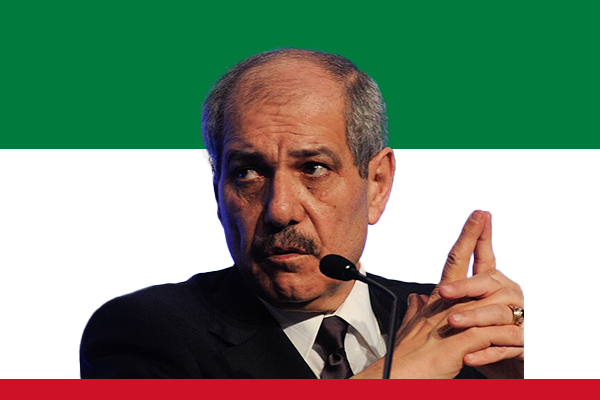







Role and Responsibilities
In Jordan’s political system, the prime minister is appointed by the King and entrusted with forming a cabinet. The government is responsible for proposing laws, implementing public policy, managing the economy, and maintaining internal and external security. While the King retains significant constitutional authority, the prime minister and the Council of Ministers manage day-to-day governance and are accountable to the Parliament.
Early Prime Ministers After Independence
Following independence, Jordan’s early prime ministers focused on state-building and international recognition. Ibrahim Hashem and Tawfik Abu Al-Huda were among the most influential early leaders. Abu Al-Huda served multiple terms between the 1930s and 1950s, providing continuity during periods of regional upheaval, including the Arab-Israeli conflict and the integration of the West Bank.
Political Change and Reform Era
The late 1950s and 1960s marked a period of political experimentation and instability. Suleiman al-Nabulsi, Jordan’s first democratically elected prime minister in 1956, attempted to expand parliamentary democracy and pursue an independent foreign policy. However, political tensions led to his dismissal, and Jordan returned to a more centralized system.
During the 1970s and 1980s, prime ministers such as Zaid al-Rifai and Mudar Badran played key roles in maintaining stability, managing economic development, and navigating regional conflicts. This era emphasized security and state consolidation.
Modern Prime Ministers and Democratic Developments
From the 1990s onward, Jordan experienced gradual political and economic reforms. Abdul Karim Kabariti and Abdul Raouf Rawabdeh addressed economic liberalization and structural adjustment programs. Faisal al-Fayez and Samir Rifai focused on administrative reform and public sector modernization.
In recent years, prime ministers like Abdullah Ensour, Hani Mulki, Omar Razzaz, Bisher Al-Khasawneh, and Jaafar Hassan have worked to balance economic challenges, public demands for reform, and regional instability. Their tenures highlight efforts to strengthen governance, improve public services, and respond to social and economic pressures.
Conclusion
The history of Jordan’s prime ministers reflects the country’s journey through independence, regional conflict, and gradual reform. While the monarchy remains central, prime ministers have been instrumental in shaping policy, managing crises, and guiding Jordan toward stability and development. Together, they represent the evolving nature of leadership within the Hashemite Kingdom of Jordan.