VICE PRESIDENTS OF KAZAKHSTAN
Introduction
Kazakhstan, the largest country in Central Asia, has followed a unique political and constitutional path since gaining independence from the Soviet Union in 1991. While many presidential republics around the world include the office of Vice President, Kazakhstan does not currently have, nor has it consistently maintained, a Vice Presidential system. Instead, the country has developed alternative mechanisms to ensure continuity of leadership and governance.
LIST OF VICE PRESIDENTS OF KAZAKHSTAN

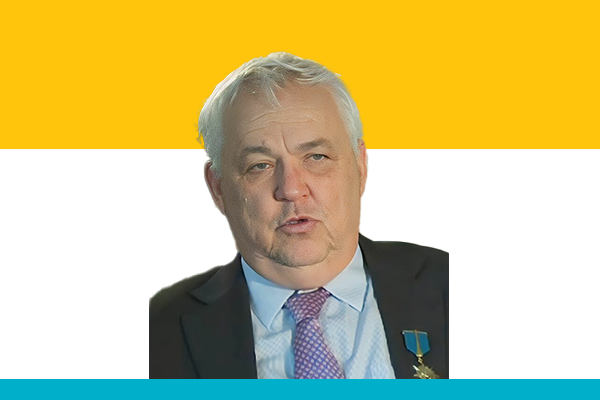
Absence of a Vice Presidential Office
Unlike nations such as the United States or India, Kazakhstan’s Constitution does not provide for a permanent Vice President. From the early years of independence, the country chose a strong presidential model in which executive authority remains concentrated in the office of the President. Over time, constitutional reforms reinforced this structure, eliminating the need for a Vice President as a separate executive authority.
Early Post-Independence Governance
In the initial phase after independence in the early 1990s, Kazakhstan experimented with different political institutions while transitioning from a Soviet system to a sovereign republic. During this formative period, discussions around succession and executive balance took place, but the Vice Presidency never became an enduring or central institution. Instead, the leadership focused on stability under the presidency of Nursultan Nazarbayev, the country’s first President.
Alternative Succession Mechanism
Rather than appointing a Vice President, Kazakhstan relies on the Chairperson of the Senate as the constitutional successor to the President. According to the Constitution, if the President is unable to perform duties due to resignation, death, or incapacity, presidential powers temporarily pass to the Senate Chair. This approach ensures continuity without creating a parallel executive office.
Role of the Prime Minister
Another important executive figure in Kazakhstan is the Prime Minister, who heads the government and oversees daily administration. However, the Prime Minister does not function as a Vice President and does not automatically assume presidential powers. The Prime Minister remains accountable to the President and Parliament, reinforcing the presidential nature of the state.
Constitutional Reforms and Political Evolution
Kazakhstan has undergone several constitutional reforms aimed at modernizing governance, strengthening institutions, and redistributing certain powers. Despite these reforms, the office of Vice President has never been reintroduced, indicating a consistent preference for a centralized executive system with clearly defined lines of succession.
Conclusion
In summary, Kazakhstan does not have a list of Vice Presidents because the position does not exist in its current or long-standing constitutional framework. Instead, the country ensures political stability through a strong presidency, a clearly defined succession role for the Senate Chair, and a functioning executive government led by the Prime Minister. This model reflects Kazakhstan’s historical experience, political priorities, and approach to governance since independence.