KINGS OF NETHERLANDS
Kings of the Netherlands
The monarchy of the Netherlands has played a central role in shaping the nation’s identity and governance. The Dutch royal family, known as the House of Orange-Nassau, has provided kings who have guided the country through periods of war, reform, and modernization. Since the establishment of the Kingdom in 1815, only a few monarchs have held the title of king, but each has left a significant mark on Dutch history.
LIST OT KINGS OF NETHERLANDS



King William I (1815–1840)
William I of the Netherlands became the first king after the defeat of Napoleon Bonaparte. He established the modern Dutch state by strengthening the economy, promoting trade, and investing in infrastructure. He also ruled over Belgium until its independence in 1830. Despite his achievements, his authoritarian style led to dissatisfaction, and he eventually abdicated the throne in 1840.
King William II (1840–1849)
William II of the Netherlands is best remembered for introducing a new constitution in 1848. This reform transformed the Netherlands into a constitutional monarchy by limiting royal power and increasing parliamentary influence. His decision ensured political stability during a time of widespread European revolutions.
King William III (1849–1890)
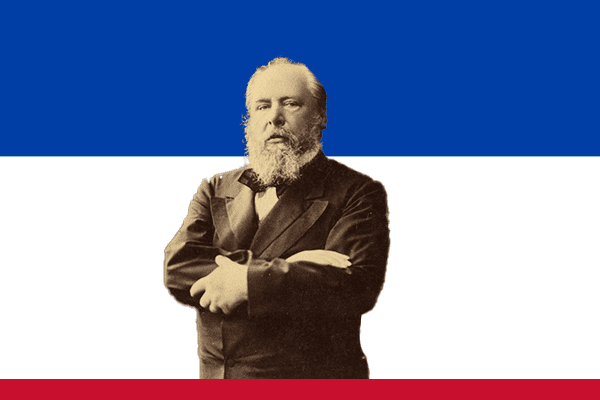
William III of the Netherlands had a long but often controversial reign. He frequently clashed with political leaders and resisted democratic changes. However, under his rule, the Netherlands experienced gradual economic growth and colonial expansion. After his death in 1890, there were no male heirs, leading to a succession of queens.
Return of Kingship: William IV? (No King Until 2013)
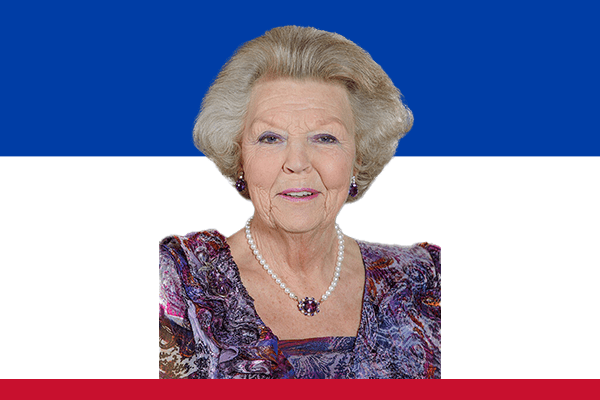
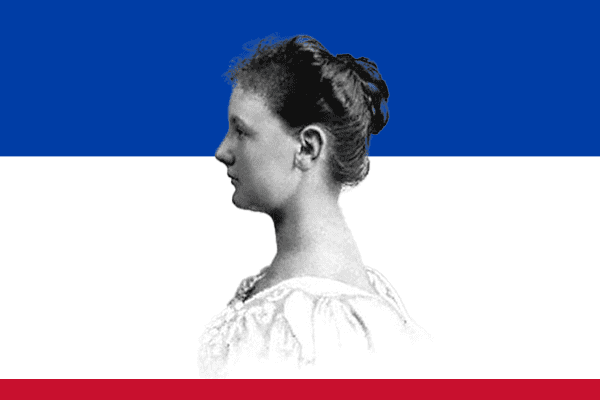
After William III, the Dutch throne passed to queens, including Wilhelmina of the Netherlands, Juliana of the Netherlands, and Beatrix of the Netherlands. For over a century, the Netherlands did not have a king, reflecting a unique period in its monarchy.
King Willem-Alexander (2013–Present)
Willem-Alexander of the Netherlands became the first king in more than 120 years when he ascended the throne in 2013 after Queen Beatrix abdicated. He has modernized the monarchy by connecting with younger generations and emphasizing transparency. As a constitutional monarch, his role is largely ceremonial, but he continues to represent the Netherlands both domestically and internationally.
Conclusion
The kings of the Netherlands have contributed significantly to the nation’s political and social evolution. From the strong leadership of William I to the modern approach of Willem-Alexander, the monarchy remains an important symbol of unity and continuity in Dutch society.