KINGS OF NORWAY
Kings of Norway
Norway is one of the oldest kingdoms in Europe and has a long history of powerful and respected kings. The kings of Norway helped unite the country, protect it from enemies, and guide it through important historical changes. From the Viking Age to the modern constitutional monarchy, Norwegian kings have played a major role in shaping the nation’s culture, politics, and identity.
LIST OT KINGS OF NORWAY
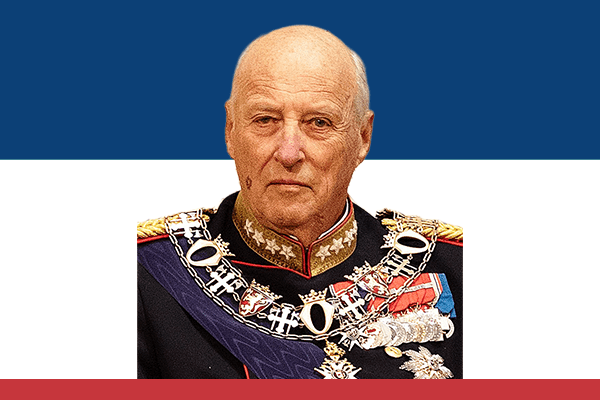
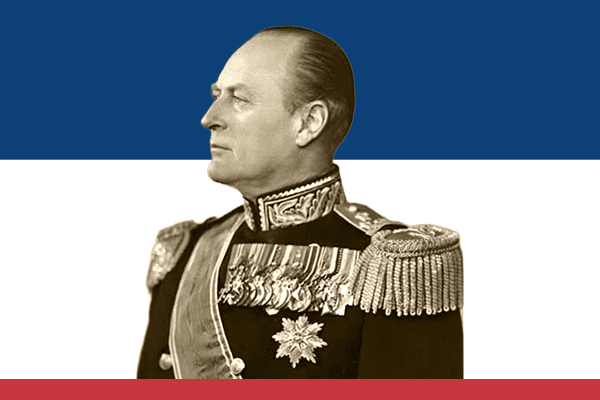
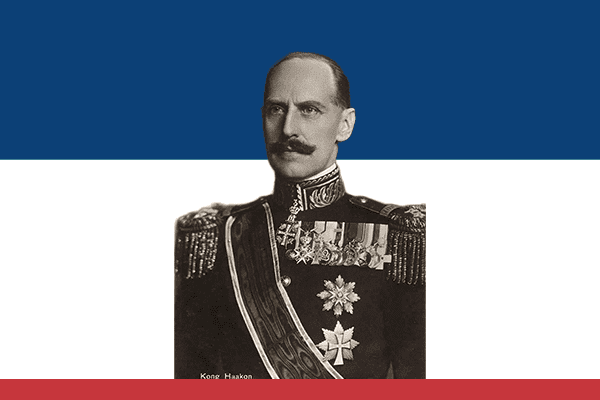
Early Kings of Norway
The first famous king of Norway was Harald Fairhair. According to history, he united many small kingdoms around the year 872 after the Battle of Hafrsfjord. Before Harald Fairhair, Norway was divided into different regions ruled by local chiefs. His victory marked the beginning of a united Norwegian kingdom.
Another important early ruler was Olaf II Haraldsson, also known as Saint Olaf. He ruled in the 11th century and helped spread Christianity throughout Norway. After his death in battle, he became a national saint and remains an important symbol in Norwegian history.
During the Viking Age, Norwegian kings were known for exploration and sea travel. Many Viking kings expanded trade routes and explored lands such as Iceland, Greenland, and parts of North America.
Medieval and Union Period
In the Middle Ages, Norway became a stronger kingdom with organized laws and government systems. Kings worked closely with the church and noble families. However, the country later faced difficult times because of disease, economic decline, and political struggles.
From the late 14th century, Norway entered unions with Denmark and later Sweden. During these unions, Norway had kings who also ruled other Scandinavian countries. Danish kings ruled Norway for several centuries, reducing Norway’s independence.
In 1905, Norway peacefully separated from Sweden and became fully independent again. The Norwegian people chose Haakon VII as their new king. He became very popular because of his leadership and dedication to democracy.
Modern Kings of Norway
Today, Norway is a constitutional monarchy. This means the king serves mainly as a symbolic and ceremonial leader, while elected officials run the government. The modern royal family is respected for representing national unity and tradition.
The current king is Harald V. He became king in 1991 and is admired for his calm leadership and service to the country. The royal family takes part in public events, cultural celebrations, and international diplomacy.
Conclusion
The kings of Norway have played an important role in the country’s history for more than a thousand years. From Viking warriors to modern constitutional monarchs, Norwegian kings helped build and preserve the nation. Their leadership, traditions, and cultural influence continue to be an important part of Norway’s identity today.