PRESIDENTS OF ROMANIA
Presidents of Romania
Romania, a Southeastern European country with a rich history and diverse culture, transitioned from a communist regime to a democratic republic after the Romanian Revolution of 1989. Since then, the office of the president has played a crucial role in shaping the nation’s political stability, foreign relations, and democratic institutions. The President of Romania serves as the head of state, responsible for safeguarding the constitution, representing the country internationally, and appointing key government officials. Over the years, several leaders have held this position, each contributing in different ways to Romania’s development.
LIST OF PRESIDENTS OF ROMANIA
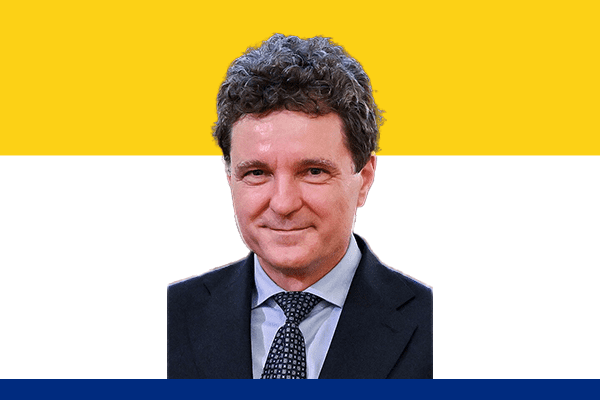
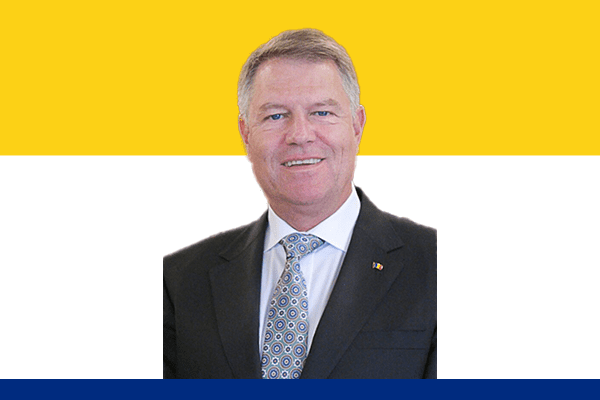
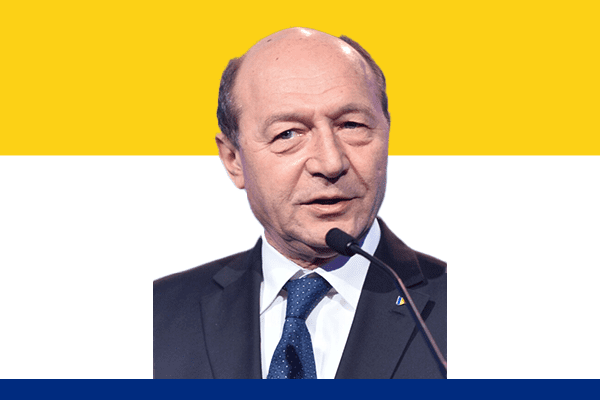
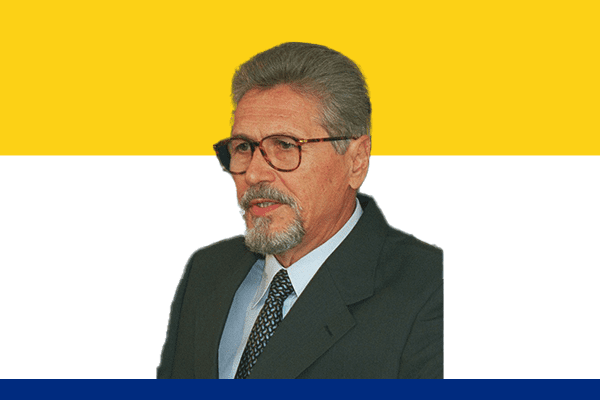
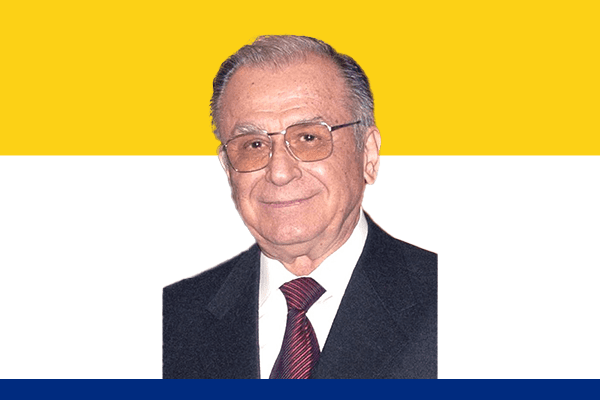
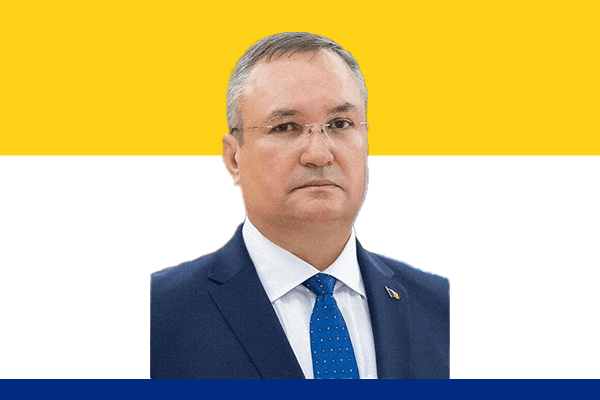
List of Presidents of Romania
1. Ion Iliescu (1990–1996, 2000–2004)
Ion Iliescu was Romania’s first president after the fall of communism. He played a major role in the country’s transition to democracy but faced criticism over alleged authoritarian tendencies and the slow pace of reforms.
2. Emil Constantinescu (1996–2000)
Emil Constantinescu focused on democratic reforms and strengthening ties with Western institutions. His presidency marked Romania’s efforts to join NATO and the European Union.
3. Traian Băsescu (2004–2014)
Traian Băsescu was known for his anti-corruption stance and support for judicial reforms. During his tenure, Romania officially joined both NATO and the European Union, boosting its global standing.
4. Klaus Iohannis (2014–present)
Klaus Iohannis has emphasized the rule of law, anti-corruption measures, and strong relations with the European Union. His leadership has been marked by efforts to maintain political stability and uphold democratic values.
Conclusion
The presidency in Romania has evolved significantly since 1989, reflecting the country’s broader transformation from authoritarian rule to democracy. Each president has contributed uniquely, whether through political reform, international integration, or strengthening democratic institutions. Today, Romania continues to develop as a modern European state, with its presidency remaining a central pillar of governance and national identity.