PRESIDENTS OF SINGAPORE
Presidents of Singapore
Singapore is a republic in Southeast Asia with a parliamentary system of government. The President of Singapore is the head of state and plays an important constitutional role. Although executive power mainly lies with the Prime Minister and the Cabinet, the President has custodial powers over the nation’s financial reserves and key public service appointments. Since Singapore became independent in 1965, several individuals have served as President, contributing to the country’s political stability and development.
LIST OF PRESIDENTS OF SINGAPORE
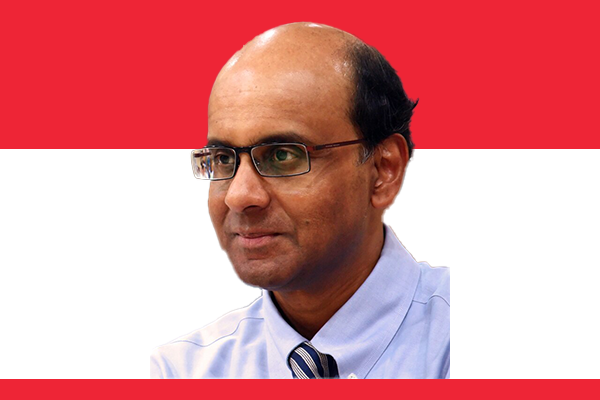
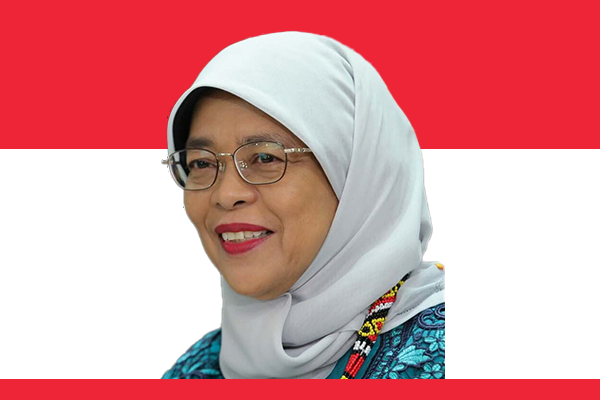


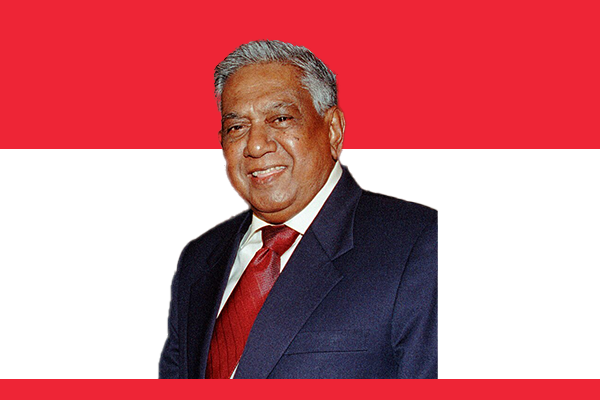


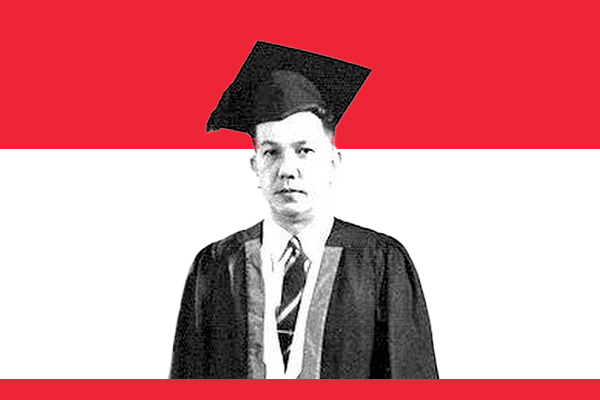

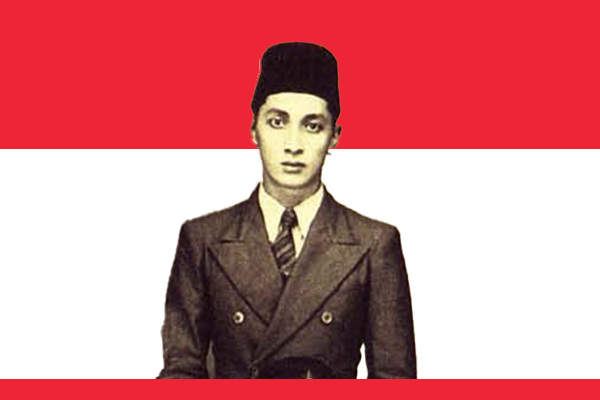
Yusof bin Ishak (1965–1970)
Yusof bin Ishak was Singapore’s first President after independence in 1965. Before that, he served as Yang di-Pertuan Negara (Head of State) from 1959. He is remembered as a symbol of unity in a multi-racial society. His image appears on Singapore’s currency notes, reflecting his importance in the nation’s history. Yusof bin Ishak passed away in office in 1970.
Benjamin Henry Sheares (1971–1981)
Dr. Benjamin Sheares was the second President of Singapore. A respected medical doctor and academic, he served three terms in office. During his presidency, Singapore continued its rapid economic development. The Sheares Bridge in Singapore is named in his honor.
Devan Nair (1981–1985)
C. V. Devan Nair became President in 1981. He previously played a key role in the labor movement and was associated with the National Trades Union Congress (NTUC). His presidency ended in 1985 when he resigned.
Wee Kim Wee (1985–1993)
Wee Kim Wee served as President during an important constitutional change. In 1991, Singapore amended its Constitution to allow for an elected presidency with greater powers. Though he was originally appointed by Parliament, he later became the first President to exercise the new custodial powers under the amended Constitution.
Ong Teng Cheong (1993–1999)
Ong Teng Cheong was Singapore’s first directly elected President. Previously Deputy Prime Minister, he played a significant role in shaping the responsibilities of the elected presidency. He was known for carefully safeguarding the nation’s financial reserves.
S. R. Nathan (1999–2011)
Sellapan Ramanathan, commonly known as S. R. Nathan, served two terms and became one of Singapore’s longest-serving Presidents. His presidency focused on social cohesion and community engagement.
Tony Tan Keng Yam (2011–2017)
Dr. Tony Tan, a former Deputy Prime Minister, was elected President in 2011. He emphasized strengthening Singapore’s reserves and maintaining trust in public institutions.
Halimah Yacob (2017–2023)
Halimah Yacob made history as Singapore’s first female President. She previously served as Speaker of Parliament and focused on social inclusion and volunteerism.
Tharman Shanmugaratnam (2023–Present)
Tharman Shanmugaratnam is the current President of Singapore. A former Senior Minister and respected economist, he won the 2023 presidential election with strong public support.
Conclusion
The Presidents of Singapore have played an essential role in ensuring political stability, protecting national reserves, and promoting unity in a diverse society. While the Prime Minister manages daily governance, the President serves as a guardian of the Constitution and a symbol of national unity.