PRIME MINISTERS OF SINGAPORE
Prime Ministers of Singapore
Singapore has had a small but highly influential group of Prime Ministers since gaining self-government in 1959 and full independence in 1965. Each leader has played a significant role in shaping the nation’s political stability, economic growth, and global reputation.
LIST OF PRIME MINISTERS OF SINGAPORE
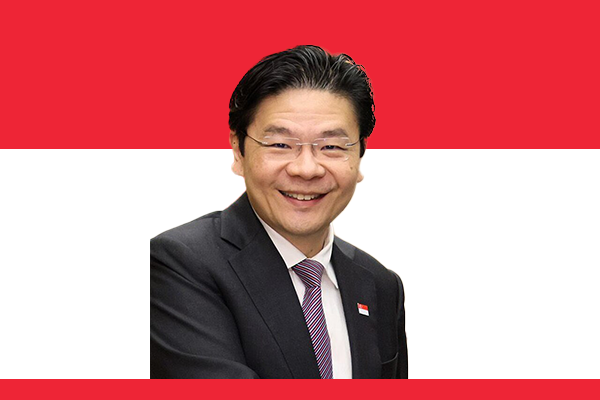
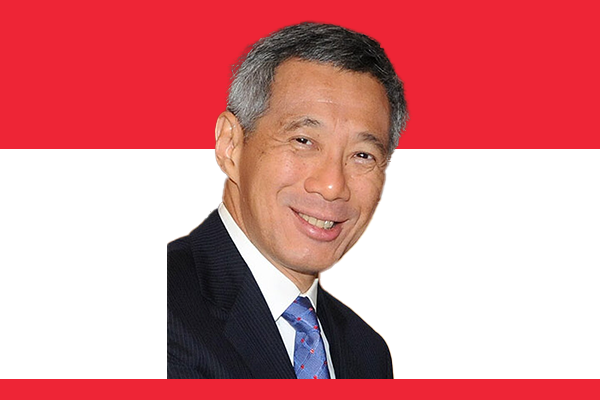
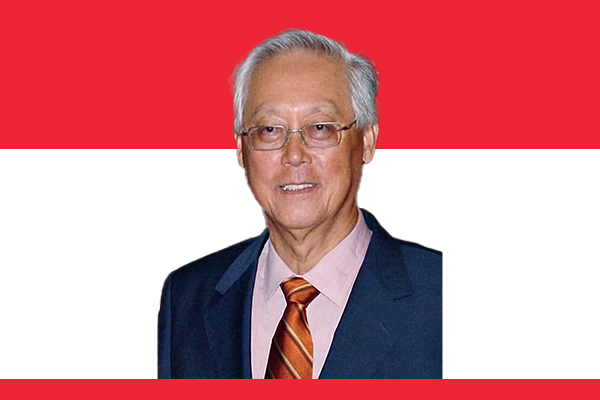
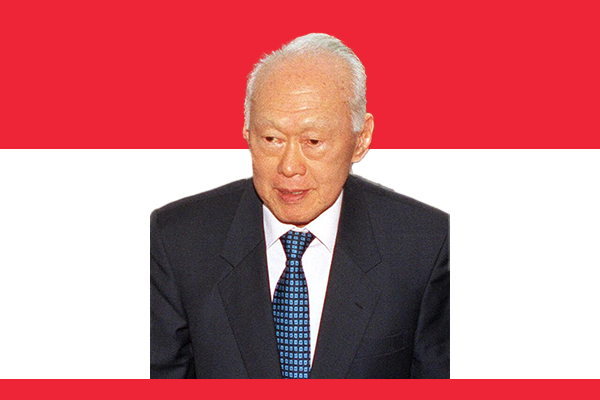
Lee Kuan Yew (1959–1990)
Lee Kuan Yew was Singapore’s first Prime Minister and is widely regarded as the founding father of modern Singapore. He led the country from 1959 to 1990, making him one of the longest-serving prime ministers in history. Under his leadership, Singapore separated from Malaysia in 1965 and became an independent nation.
Lee focused on rapid industrialization, strict law enforcement, anti-corruption measures, and strong governance. He transformed Singapore from a small trading port with limited resources into a global financial and business hub. His policies emphasized education, bilingualism, public housing, and economic openness. While praised for economic success, his leadership style was sometimes criticized as strict and authoritarian.
Goh Chok Tong (1990–2004)
Goh Chok Tong became Singapore’s second Prime Minister in 1990. He introduced a more consultative and open style of governance compared to his predecessor. Goh focused on maintaining economic growth while promoting a more inclusive society.
During his tenure, Singapore faced major challenges such as the Asian Financial Crisis (1997) and the SARS outbreak (2003). His government managed these crises carefully, ensuring economic stability and public safety. Goh also encouraged greater citizen participation in policymaking and promoted the idea of a “kinder, gentler” society.
Lee Hsien Loong (2004–2024)
Lee Hsien Loong, the son of Lee Kuan Yew, became the third Prime Minister in 2004. Before assuming office, he served in key ministerial positions, including Deputy Prime Minister and Minister for Finance.
His leadership focused on innovation, digital transformation, and strengthening Singapore’s global competitiveness. He introduced policies to support families, improve healthcare, and address income inequality. During his tenure, Singapore dealt with global financial uncertainty and the COVID-19 pandemic. His government implemented significant support packages to protect jobs and businesses during the pandemic.
Lawrence Wong (2024–Present)
Lawrence Wong became Singapore’s fourth Prime Minister in 2024. Before taking office, he served as Deputy Prime Minister and Minister for Finance. Wong gained public recognition for co-chairing Singapore’s COVID-19 task force.
As Prime Minister, he has emphasized economic resilience, social support systems, and leadership renewal. His administration aims to prepare Singapore for future global challenges, including climate change and technological transformation.
Conclusion
The Prime Ministers of Singapore have provided strong and consistent leadership over the decades. From Lee Kuan Yew’s nation-building efforts to Lawrence Wong’s forward-looking policies, each leader has contributed to Singapore’s development into one of the world’s most prosperous and stable countries.