PRESIDENTS OF SYRIA
Presidents of Syria
Syria, a country in the heart of the Middle East, has witnessed a complex political history since gaining independence from France in 1946. The nation has seen a series of presidents who have shaped its modern political, social, and economic landscape. Understanding these leaders provides insight into Syria’s turbulent journey and its regional significance.
LIST OF PRESIDENTS OF SYRIA


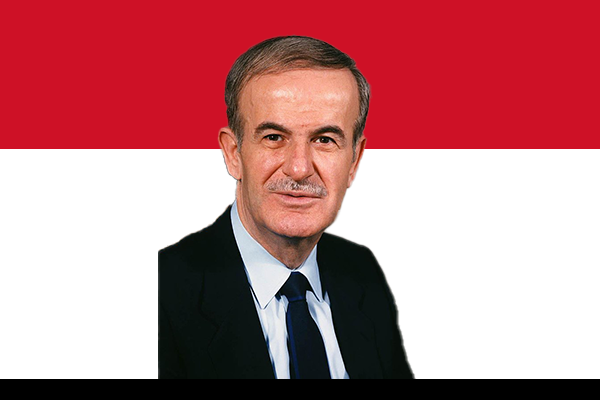


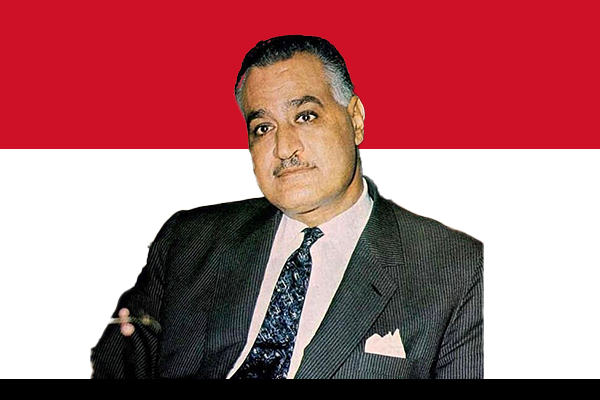



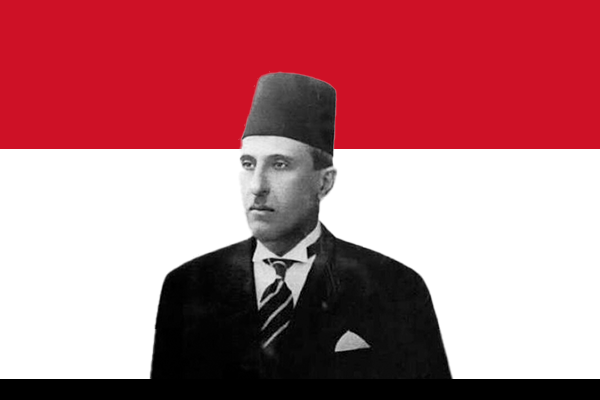
Shukri al-Quwatli (1943–1949, 1955–1958)
Shukri al-Quwatli became Syria’s first president after independence. His leadership was marked by efforts to unify the country and strengthen national institutions. However, political instability and military coups disrupted his tenure, highlighting early challenges in establishing a stable democratic system.
Husni al-Za’im (1949)
Husni al-Za’im came to power through a military coup in 1949. Although his rule was brief, lasting only a few months, he attempted modern reforms, including land reforms and infrastructure projects. His sudden overthrow by another coup demonstrated the fragility of Syrian politics at the time.
Hashim al-Atassi (Multiple Terms)
Hashim al-Atassi served multiple terms as president, emphasizing constitutional governance and parliamentary democracy. His presidency witnessed attempts at political reconciliation and institutional stability, though military interventions often undermined these efforts.
Hafez al-Assad (1971–2000)
Hafez al-Assad’s presidency marked a significant turning point. Coming from the Ba’ath Party, he established a strong centralized government and consolidated power. His rule, lasting nearly three decades, focused on political stability, military strength, and regional influence. Hafez implemented economic reforms while maintaining strict control over political life, leaving a lasting legacy.
Bashar al-Assad (2000–Present)
Bashar al-Assad succeeded his father, Hafez al-Assad, in 2000. Initially seen as a reformist leader, his presidency has been defined by major domestic and international challenges, including the civil war that began in 2011. Bashar’s government has focused on retaining control over key regions, engaging in international diplomacy, and navigating sanctions and conflict. His tenure continues to shape Syria’s modern trajectory, highlighting the complex intersection of governance, security, and foreign policy.
Conclusion
The presidents of Syria have reflected the nation’s political evolution, from early attempts at democracy to centralized rule under the Assad family. Each leader faced unique challenges, from coups and instability to civil war and international pressures. Studying these presidencies provides a lens to understand Syria’s past and present, emphasizing the enduring impact of leadership on the nation’s history.