PRIME MINISTERS OF SYRIA
Introduction
The Prime Minister of Syria plays a key role in the country’s executive branch, heading the Council of Ministers and overseeing the implementation of government policy. Although real political power in Syria has often rested with the president, especially after the rise of the Ba’ath Party, the office of prime minister has remained central to administration, economic management, and coordination between ministries. Since Syria’s independence in 1946, the country has seen many prime ministers, reflecting periods of instability, military rule, and later authoritarian governance.
LIST OF PRIME MINISTERS OF SYRIA



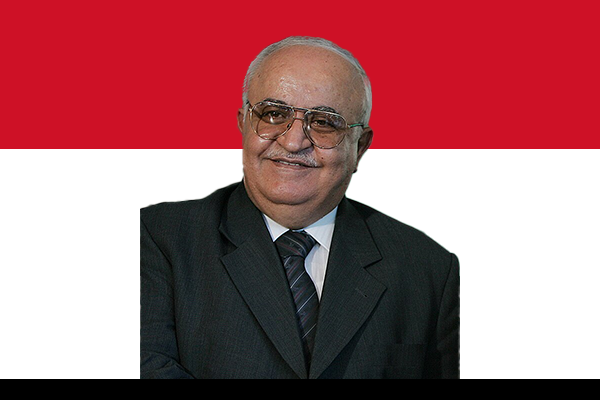


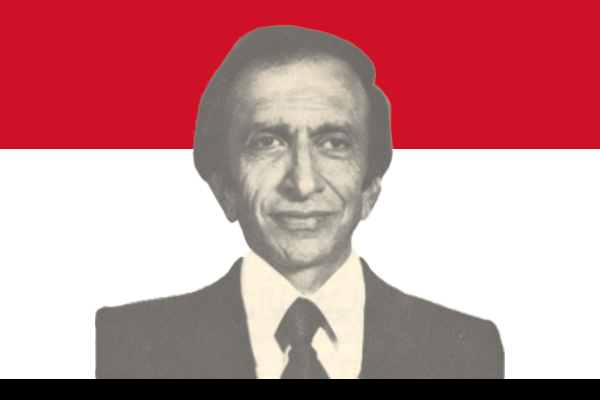

Early Years After Independence (1946–1958)
Following independence from French mandate rule, Syria experienced frequent changes in government. Prime ministers during this era included figures such as سعد الله الجابري (Saadallah al-Jabiri) and جميل مردم بك (Jamil Mardam Bey), who worked to establish state institutions and define Syria’s foreign policy. However, repeated military coups between 1949 and 1954 weakened civilian leadership. Prime ministers often served short terms, struggling to govern amid army interference and political rivalries.
United Arab Republic Period (1958–1961)
In 1958, Syria merged with Egypt to form the United Arab Republic under President Gamal Abdel Nasser. During this period, the Syrian prime minister’s role was largely symbolic, as power was centralized in Cairo. Discontent with this arrangement led to Syria’s secession in 1961, after which the office of prime minister regained importance, though instability continued.
Ba’ath Party Era and Consolidation of Power (1963–2000)
The Ba’ath Party seized power in 1963, marking a turning point. Prime ministers such as يوسف زعين (Yusuf Zuayyin) and محمود الزعبي (Mahmoud al-Zoubi) operated within a system dominated by the party and the military. After Hafez al-Assad became president in 1970, the prime minister’s position focused mainly on economic planning and internal administration. While still influential, prime ministers worked under strong presidential authority.
Contemporary Prime Ministers (2000–Present)
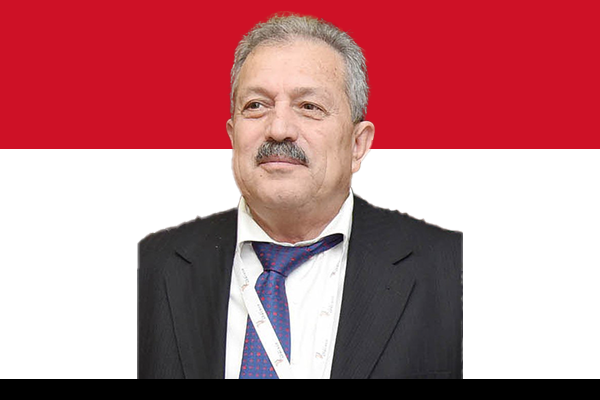
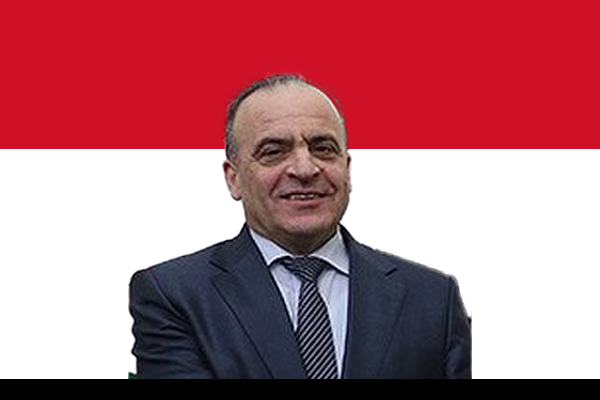
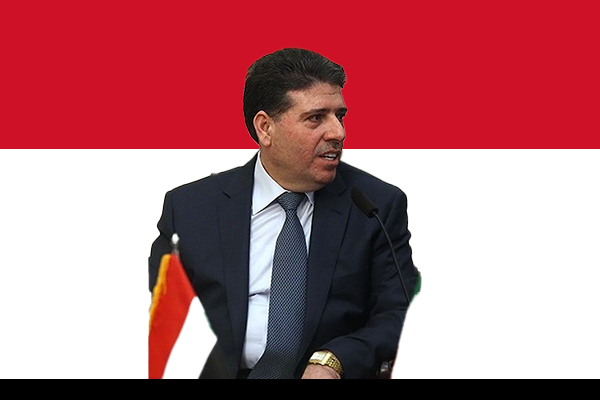
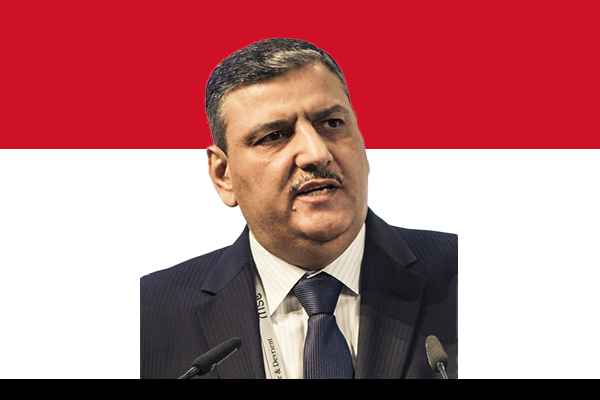
Under President Bashar al-Assad, prime ministers have continued to manage day-to-day governance during challenging times, including economic reforms and the prolonged civil conflict that began in 2011. Notable recent prime ministers include محمد ناجي عطري (Muhammad Naji al-Otari), وائل الحلقي (Wael al-Halqi), عماد خميس (Imad Khamis), and حسين عرنوس (Hussein Arnous). Their responsibilities have included maintaining state services, addressing sanctions, and managing reconstruction efforts in government-controlled areas.
Conclusion
The history of Syria’s prime ministers reflects the broader political evolution of the country. From early democratic experiments to prolonged authoritarian rule, the office has adapted to changing power structures. While the prime minister’s authority has often been limited by presidential dominance, the role remains vital in administering the Syrian state and implementing government policy during both stability and crisis.