Presidents of Georgia

Georgia, a nation at the crossroads of Eastern Europe and Western Asia, has experienced significant political transformation since regaining independence from the Soviet Union in 1991. The office of the President of Georgia was established to serve as the head of state, responsible for representing the nation, guiding foreign policy, and ensuring constitutional order. Over the years, Georgia’s presidency has been shaped by political reforms, social changes, and occasional turbulence, reflecting the country’s journey toward democracy and stability.

LIST OF PRESIDENTS OF GEORGIA

="timeline-item"
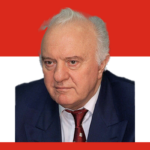
Eduard Shevardnadze

Eduard Shevardnadze was a prominent Georgian and Soviet politician, serving as Georgia’s President from 1992 to 2003. Previously, he was the Soviet Union’s Foreign Minister and played a key role in ending the Cold War. As president, he focused on stabilizing post-Soviet Georgia, addressing economic challenges, and managing separatist conflicts in Abkhazia and South Ossetia. His tenure faced criticism for corruption and political stagnation, culminating in his resignation during the 2003 Rose Revolution, which demanded democratic reforms.

="timeline-item"
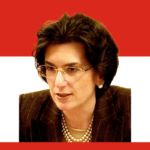
Nino Burjanadze

Nino Burjanadze is a prominent Georgian politician who has twice served as the acting President of Georgia, first in 2003–2004 and later in 2007–2008. Initially the Speaker of Parliament, she played a key role during transitional periods following political upheavals, including the Rose Revolution. Known for her experience in law and governance, Burjanadze has been influential in shaping Georgia’s parliamentary processes and advocating for political reforms and democratic stability throughout her career.

="timeline-item"
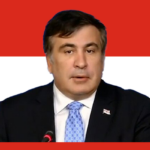
Mikheil Saakashvili

Mikheil Saakashvili served as the President of Georgia from 2004 to 2013. Coming to power after the Rose Revolution, he was known for his ambitious reform agenda, focusing on anti-corruption, modernization, and strengthening ties with Western institutions like NATO and the EU. His tenure included significant economic and infrastructure development but was also marked by the 2008 war with Russia and internal political controversies, making him a transformative yet polarizing figure in Georgian politics.

="timeline-item"
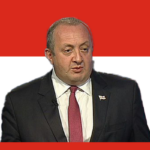
Giorgi Margvelashvili

Giorgi Margvelashvili served as the President of Georgia from 2013 to 2018, representing the Georgian Dream party. His presidency focused on strengthening parliamentary democracy, advancing education, and implementing social reforms. Margvelashvili emphasized collaboration with civil society and improving governance transparency. Unlike his predecessors, he maintained a low-profile approach, prioritizing stability over political confrontation. His tenure reflected a period of gradual democratic consolidation and efforts to modernize Georgia’s institutions while maintaining domestic and international partnerships.

="timeline-item"
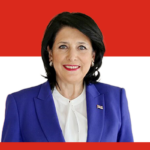
Salomé Zourabichvili

Salomé Zourabichvili is the first female President of Georgia, assuming office in 2018. A seasoned diplomat, she previously served as Georgia’s Foreign Minister and as a French ambassador. Her presidency emphasizes strengthening Georgia’s international relations, particularly with Europe and NATO, promoting national security, and supporting democratic consolidation. Zourabichvili’s tenure highlights Georgia’s pursuit of political stability, regional diplomacy, and active engagement on global issues, combining her diplomatic expertise with national leadership.

="timeline-item"
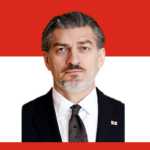
Mikheil Kavelashvili

Mikheil Kavelashvili is a former Georgian professional footballer and current politician. Born in 1971, he played as a striker for clubs in Georgia, Greece, and Belgium, earning recognition for his speed, skill, and goal-scoring ability. After retiring from football, Kavelashvili transitioned into politics, serving as a member of the Georgian Parliament. He is known for advocating sports development, youth engagement, and policies that promote both athletic and social initiatives in Georgia.

List of Presidents of Georgia

Zviad Gamsakhurdia (1991–1992)

Zviad Gamsakhurdia became Georgia’s first President after the country declared independence from the Soviet Union. Known as a dissident and a pro-democracy activist, he faced political unrest during his tenure, which ultimately led to his removal from office following a coup in 1992. His presidency marked the beginning of Georgia’s struggle for political stability.

Eduard Shevardnadze (1992–2003)

A former Soviet foreign minister, Eduard Shevardnadze returned to Georgia to lead the nation through the turbulent post-Soviet period. His presidency was characterized by efforts to stabilize the economy, build democratic institutions, and manage internal conflicts, including separatist movements in Abkhazia and South Ossetia. Shevardnadze resigned in the wake of the Rose Revolution, a popular movement demanding political reform.

Mikheil Saakashvili (2004–2013)

Mikheil Saakashvili came to power after the Rose Revolution with a reformist agenda focused on modernization, anti-corruption measures, and Western integration. His presidency saw major changes in government institutions, infrastructure development, and efforts to strengthen Georgia’s ties with NATO and the European Union. Saakashvili also faced challenges, including the 2008 war with Russia over South Ossetia and Abkhazia.

Giorgi Margvelashvili (2013–2018)

Giorgi Margvelashvili, representing the Georgian Dream party, focused on domestic reforms, education, and social policy improvements. His term reflected a shift toward strengthening parliamentary democracy, and he emphasized cooperation with civil society and gradual political stability.

Salome Zourabichvili (2018–present)

Salome Zourabichvili, the first female President of Georgia, has prioritized foreign policy, European integration, and national security. Her tenure underscores continuity in Georgia’s pursuit of democratic consolidation and active engagement with international partners. She brings a diplomatic background, having served as France’s ambassador and a Georgian foreign minister prior to the presidency.

Throughout its modern history, the presidency of Georgia has been a symbol of both national resilience and democratic aspiration. From the initial post-Soviet challenges to ongoing reforms and international engagement, each president has contributed to shaping the nation’s political landscape while navigating complex domestic and regional dynamics.
Back to top of page