List of Prime Ministers of Bangladesh

Bangladesh, officially the People’s Republic of Bangladesh, is a South Asian country known for its rich cultural heritage, vibrant history, and remarkable journey toward independence. Since gaining independence in 1971, Bangladesh has developed into an important nation in the region, both politically and economically. The office of the Prime Minister is the head of government in Bangladesh and holds significant executive power under the country’s parliamentary system.

LIST OF PRIME MINISTERS OF BANGLADESH

="timeline-item"
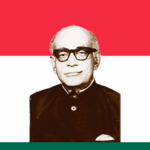
Tajuddin Ahmad

Tajuddin Ahmad was the first Prime Minister of Bangladesh and served from 1971 to 1972 during the country’s Liberation War. He played a crucial role in organizing the provisional government of Bangladesh in exile and leading the independence movement against Pakistan. A close associate of Sheikh Mujibur Rahman, Tajuddin Ahmad is remembered for his strong leadership, patriotism, and dedication to the nation’s freedom. His contribution remains highly respected in the history of Bangladesh and its struggle for independence.

="timeline-item"
Sheikh Mujibur Rahman

Sheikh Mujibur Rahman was the founding leader of Bangladesh and is widely known as the Father of the Nation. He played a crucial role in leading the Bengali nationalist movement and guiding Bangladesh to independence in 1971. After independence, he became the country’s first Prime Minister and later President. His leadership, vision, and sacrifice made him one of the most respected figures in South Asian history. He remains a symbol of freedom, patriotism, and national unity in Bangladesh.

="timeline-item"
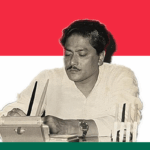
Muhammad Mansur Ali

Muhammad Mansur Ali was a prominent Bangladeshi politician and one of the key leaders of the country’s independence movement. He served as the Prime Minister of Bangladesh in 1975 during a politically unstable period. A close associate of Sheikh Mujibur Rahman, he was also an important member of the provisional government during the Liberation War. Mansur Ali played a major role in building the new nation. He was later assassinated in jail in 1975, becoming one of Bangladesh’s national leaders.

="timeline-item"
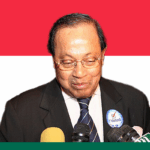
Mashiur Rahman

Mashiur Rahman is a Bangladeshi politician who briefly served as the acting Prime Minister of Bangladesh in 2006 during a transitional political period. He was appointed as a senior adviser in the caretaker government and played an important administrative role. Although his tenure was short, he was involved in maintaining government functions during a sensitive time in Bangladesh’s politics. Mashiur Rahman is mainly remembered for his contribution to public service and his role in the country’s caretaker government system.

="timeline-item"
Shah Azizur Rahman

Shah Azizur Rahman was a Bangladeshi politician who served as the Prime Minister of Bangladesh from 1979 to 1982 under President Ziaur Rahman. He was an important political figure during the post-independence period. Before Bangladesh’s independence, he was associated with pro-Pakistan politics, which made him a controversial leader. As Prime Minister, he worked during a time of political transition and military influence. His tenure remains significant in Bangladesh’s political history due to his role in government and national administration.

="timeline-item"
Ataur Rahman Khan

Ataur Rahman Khan was a prominent Bangladeshi politician and statesman. He served as the Prime Minister of Bangladesh from 1984 to 1985 during the presidency of Hussain Muhammad Ershad. Before this, he was active in the political movements of East Pakistan and played an important role in democratic politics. Ataur Rahman Khan was known for his leadership, administrative experience, and dedication to public service. His political career reflected Bangladesh’s complex journey through military and civilian governance during the 20th century.

="timeline-item"
Mizanur Rahman Chowdhury

Mizanur Rahman Chowdhury was a Bangladeshi politician who served as the Prime Minister of Bangladesh from 1986 to 1988 during the rule of President Hussain Muhammad Ershad. He played an important role in managing government affairs in a period when Bangladesh was under military-backed leadership. His tenure was marked by limited democratic freedom and strong presidential control. Although his time as Prime Minister was not very long, he remains a notable figure in Bangladesh’s political history for serving during a significant transitional period.

="timeline-item"
Moudud Ahmed

Moudud Ahmed was a prominent Bangladeshi politician, lawyer, and author who played an important role in the country’s political history. He served in several high-ranking positions, including Prime Minister of Bangladesh (1988–1989), Vice President, Deputy Prime Minister, and Law Minister. A member of the Bangladesh Nationalist Party (BNP), he was known for his legal expertise and political influence. Moudud Ahmed remained active in national politics for decades and contributed significantly to Bangladesh’s governance and constitutional development.

="timeline-item"
Kazi Zafar Ahmad

Kazi Zafar Ahmad was a prominent Bangladeshi politician who served as the Prime Minister of Bangladesh from 1989 to 1990 during the rule of President Hussain Muhammad Ershad. He was an important leader of the Jatiya Party and played a key role in the country’s politics during a period of military-backed government. His tenure came during a politically unstable time, shortly before the fall of Ershad’s regime. Kazi Zafar Ahmad is remembered for his involvement in Bangladesh’s transitional political history.

="timeline-item"
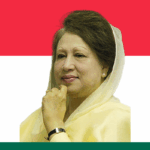
Khaleda Zia

Khaleda Zia is a prominent Bangladeshi politician and former Prime Minister of Bangladesh. She served as Prime Minister three times, first from 1991 to 1996, then briefly in 1996, and again from 2001 to 2006. She is the chairperson of the Bangladesh Nationalist Party (BNP) and the widow of former President Ziaur Rahman. Khaleda Zia played a major role in restoring parliamentary democracy in Bangladesh and remains one of the most influential figures in the country’s political history.

="timeline-item"
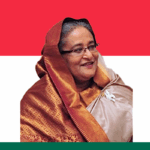
Sheikh Hasina

Sheikh Hasina is a prominent Bangladeshi politician and one of the longest-serving Prime Ministers of Bangladesh. She is the daughter of Sheikh Mujibur Rahman, the founding leader of the country. She first became Prime Minister in 1996 and later returned to office in 2009. Under her leadership, Bangladesh experienced economic growth, infrastructure development, and social progress. Sheikh Hasina is also known for strengthening women’s empowerment and improving education, health, and digital advancement in Bangladesh.

="timeline-item"
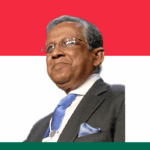
Fakhruddin Ahmed

Fakhruddin Ahmed was the Chief Adviser of Bangladesh’s caretaker government from 2007 to 2009, functioning in a role similar to Prime Minister during a politically unstable period. He was appointed to oversee fair elections and restore order after intense political conflict. Under his leadership, the caretaker government introduced anti-corruption drives and electoral reforms. Fakhruddin Ahmed is remembered for guiding Bangladesh through a transitional phase and helping prepare the country for the return of democratic governance in 2008.

="timeline-item"
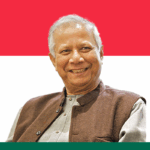
Muhammad Yunus

Muhammad Yunus is a renowned Bangladeshi economist, social entrepreneur, and Nobel Peace Prize winner. He is best known for founding the Grameen Bank, which pioneered microfinance and small loans for poor people, especially women. Born on 28 June 1940, he has made a major global impact in poverty reduction and social business. In 2006, Muhammad Yunus and Grameen Bank received the Nobel Peace Prize for their efforts to create economic and social development from below.

Prime Ministers of Bangladesh

Tajuddin Ahmad (1971–1972)
Tajuddin Ahmad was the first Prime Minister of Bangladesh during the provisional government formed in exile during the Liberation War. He played a key role in organizing the independence movement and administration.

Sheikh Mujibur Rahman (1972–1975)
Known as the “Father of the Nation,” Sheikh Mujibur Rahman became the first Prime Minister after independence. He laid the foundation of the newly formed state and later became President.

Muhammad Mansur Ali (1975)
He briefly served as Prime Minister during a turbulent period in 1975, shortly before major political upheavals and military interventions changed the government structure.

Shah Azizur Rahman (1979–1982)
Serving under President Ziaur Rahman, Shah Azizur Rahman led the government during a period of military-backed civilian rule.

Ataur Rahman Khan (1984–1985)
He served during the rule of President Hussain Muhammad Ershad and contributed to governance during a politically controlled environment.

Mizanur Rahman Chowdhury (1986–1988)
He was Prime Minister under Ershad’s administration and oversaw government affairs during a period of limited democratic participation.

Kazi Zafar Ahmed (1989–1990)
He was the last Prime Minister before the fall of Ershad’s regime and the restoration of parliamentary democracy.

Khaleda Zia (1991–1996, 2001–2006)
Khaleda Zia was the first woman Prime Minister of Bangladesh and served two full terms. Her leadership was important in restoring parliamentary democracy and shaping modern politics.

Sheikh Hasina (1996–2001, 2009–present)
Sheikh Hasina, daughter of Sheikh Mujibur Rahman, has served multiple terms and is one of the longest-serving prime ministers in Bangladesh’s history. Under her leadership, Bangladesh has seen notable economic and infrastructure development.

Conclusion

The office of Prime Minister in Bangladesh has been central to the country’s political evolution. From the provisional leadership of Tajuddin Ahmad during the Liberation War to the long-serving administrations of Khaleda Zia and Sheikh Hasina, each prime minister has played a role in shaping Bangladesh’s national identity and governance.
Back to top of page