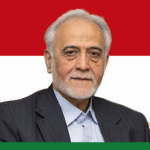
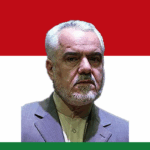
Major First Vice Presidents of Iran
Hassan Habibi (1989–2001)
He was the first person to hold the office of First Vice President of Iran after the 1989 constitutional reform. He served under Presidents Ali Akbar Hashemi Rafsanjani and Mohammad Khatami and played a major role in administrative continuity during Iran’s post-war reconstruction years.
Mohammad Reza Aref (2001–2005)
Mohammad Reza Aref served under President Mohammad Khatami. He was known for his reformist background and also held other senior governmental posts. He returned to office in 2024 as First Vice President under President Pezeshkian.
Parviz Davoodi (2005–2009)
He served as First Vice President during the first term of President Mahmoud Ahmadinejad. Davoodi was mainly associated with economic and administrative policy.
Esfandiar Rahim Mashaei (briefly in 2009)
He was appointed by Ahmadinejad but resigned after political controversy and opposition from Supreme Leader Ali Khamenei.
Mohammad-Reza Rahimi (2009–2013)
He served during Ahmadinejad’s second term and became one of the most visible vice presidents of that period.
Eshaq Jahangiri (2013–2021)
Jahangiri served under President Hassan Rouhani for two terms. He was one of the most influential First Vice Presidents in recent decades, especially in economic coordination and cabinet management.
Mohammad Mokhber (2021–2024)
Mohammad Mokhber served under President Ebrahim Raisi. After Raisi’s death in 2024, Mokhber briefly became acting president before the election of Pezeshkian.
Mohammad Reza Aref (2024–present)
Aref returned to office in 2024, becoming the current First Vice President under Masoud Pezeshkian.
Other Current Vice Presidents (Examples)
Iran also has several specialized vice presidents at the same time, such as:
Mohammad Javad Zarif – Vice President for Strategic Affairs (2024–2025)
Mohammad Ja’far Ghaempanah – Vice President for Executive Affairs
Abdolkarim Hosseinzadeh – Vice President for Rural Development Affairs
Conclusion
The vice presidency in Iran is an important institution, especially after 1989. While there are many vice presidents with different responsibilities, the First Vice President remains the most powerful and politically significant. Over the years, this office has been held by influential figures who often shaped national administration and, at times, even temporarily led the government during periods of transition.