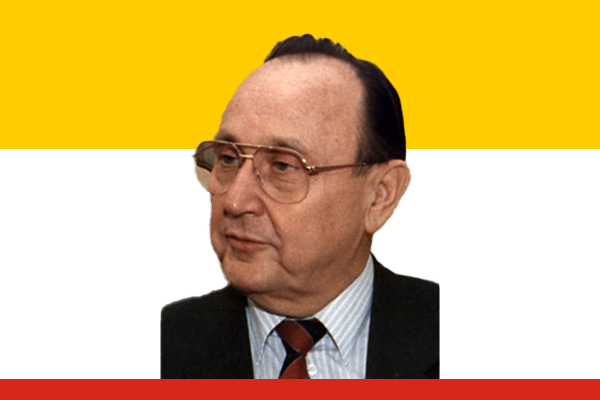
Early Life and Political Foundations
Hans-Dietrich Genscher was born on March 21, 1927, in Reideburg, near Halle, Germany. He grew up during a turbulent era marked by the Second World War. After the war, he studied law and economics, which gave him a solid foundation for his future political career. Genscher joined the Free Democratic Party (FDP) in 1952 and quickly rose through its ranks due to his intellect, pragmatism, and diplomatic skills.
He entered the Bundestag in 1965 and began his journey as one of Germany’s most influential political figures. His ability to balance liberal principles with practical governance helped him earn respect across political lines.
Rise to Prominence in Government
Genscher became Federal Minister of the Interior in 1969 under Chancellor Willy Brandt. He reformed administrative structures and worked to modernize the German police system. He emphasized transparency and human rights within law enforcement.
In 1974, after Brandt’s resignation, Genscher became Vice Chancellor and Minister of Foreign Affairs under Chancellor Helmut Schmidt. He used his diplomatic skills to strengthen West Germany’s relations with other European nations and the United States. He played a pivotal role in shaping the country’s foreign policy during the Cold War, ensuring that West Germany remained a strong, stable democracy at the heart of Europe.
Architect of German Diplomacy
Genscher consistently promoted dialogue and peaceful solutions to international conflicts. He advanced West Germany’s policy of détente, encouraging cooperation between East and West. He also advocated for European integration and worked tirelessly to strengthen the European Community, which later became the European Union.
In 1982, Genscher continued as Foreign Minister under Chancellor Helmut Kohl after the FDP switched coalition partners. This move demonstrated his commitment to political stability over partisan loyalty. He maintained his position as Vice Chancellor, becoming one of the longest-serving foreign ministers in German history.
Genscher played a vital role in the process that led to German reunification. His diplomacy and negotiation skills were essential in winning international support for a unified Germany. During this period, he worked closely with global leaders, including those from the United States, the Soviet Union, and European allies, to ensure a peaceful transition.
Champion of European Unity
Throughout his career, Genscher envisioned a united and peaceful Europe. He supported the expansion of the European Community and advocated for stronger economic and political cooperation. He believed that a unified Europe would prevent future conflicts and promote prosperity across the continent.
Genscher’s foreign policy approach combined firmness with flexibility. He recognized the importance of dialogue, mutual respect, and compromise in resolving global issues. His pragmatic leadership inspired future generations of diplomats and policymakers.
Later Years and Legacy
After retiring from active politics in 1992, Genscher continued to serve as an advisor and commentator on international affairs. He received numerous honors for his service, including national and international awards recognizing his contributions to peace and diplomacy.
Hans-Dietrich Genscher passed away on March 31, 2016, leaving behind a legacy of political moderation, diplomacy, and integrity. He shaped Germany’s image as a peaceful and cooperative power within Europe and the world.
Conclusion
Hans-Dietrich Genscher’s leadership reflected wisdom, balance, and vision. He strengthened Germany’s democratic foundations, advanced European integration, and promoted peace through diplomacy. His long service as Vice Chancellor and Foreign Minister made him a defining figure of modern German politics. His life’s work continues to inspire leaders who value unity, stability, and dialogue in an ever-changing world.