PRESIDENTS OF SOUTH KOREA
Presidents of South Korea
The history of South Korea’s presidency reflects the nation’s journey from post-war reconstruction to a vibrant democracy and global economic power. Each president shaped the country’s political direction, economic policy, and international identity. Their collective leadership demonstrates Korea’s shift from authoritarian rule to a mature democratic system.
LIST OF PRESIDENTS OF SOUTH KOREA
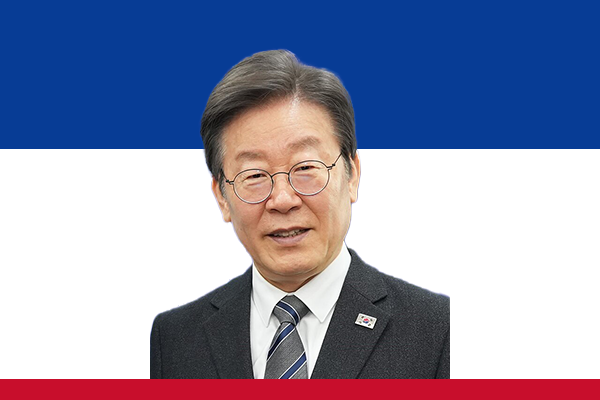

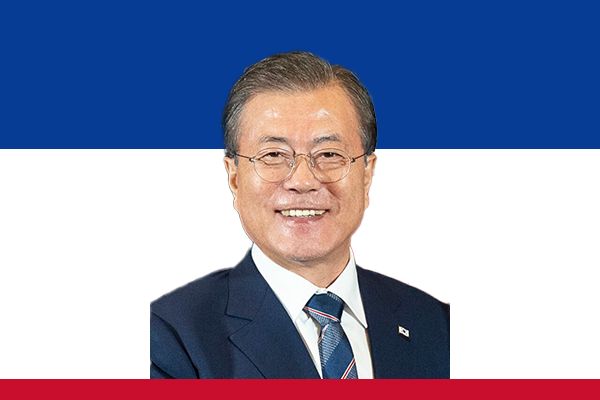
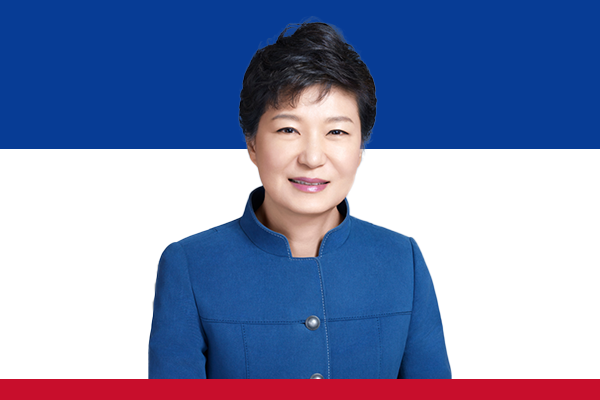
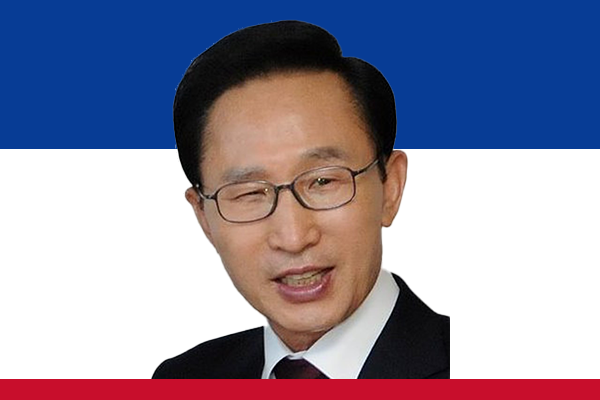
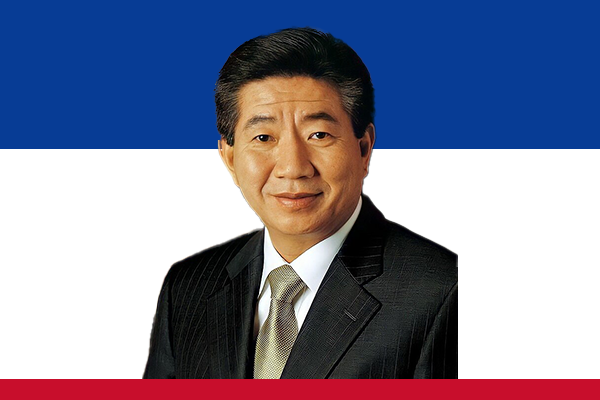
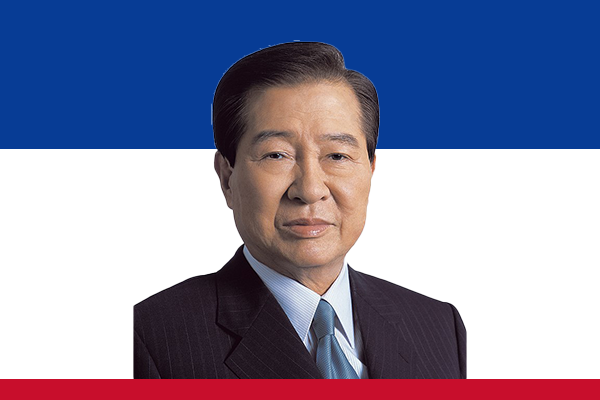

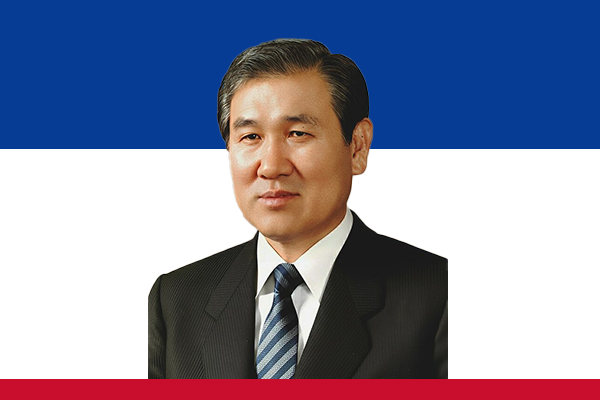
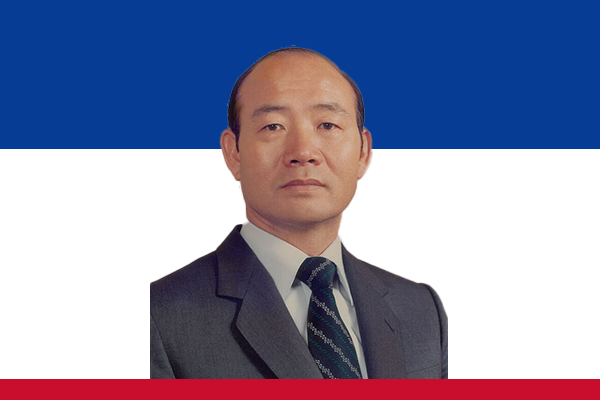
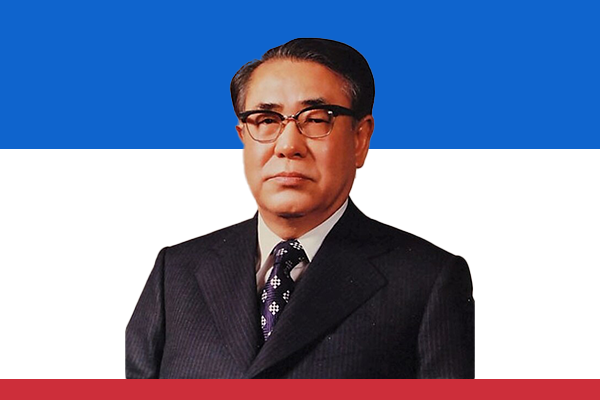

Presidents of South Korea
South Korea elected its first president, Syngman Rhee, in 1948. He established the foundation of the new republic but faced criticism for authoritarian practices and electoral manipulation. His resignation in 1960 marked the end of the First Republic and opened the path for political reforms.
The short-lived Second Republic under Yun Posun attempted to build a parliamentary system. However, political instability created an opening for military intervention. In 1961, Park Chung-hee seized power and later became president. His long rule focused on rapid industrialization, known as the “Miracle on the Han River.” Although he modernized the economy, he maintained strict authoritarian control until his assassination in 1979.
After another brief transitional period, Chun Doo-hwan took over through military rule in 1980. His presidency faced strong public resistance, especially after the Gwangju Uprising. South Korea’s growing demand for democracy eventually led to significant political reforms.
A major turning point came with the election of Roh Tae-woo in 1987 through the first truly competitive presidential election. His administration expanded political freedoms and opened the nation to broader international diplomacy.
Democratization strengthened further with Kim Young-sam, the first civilian president in more than 30 years. He focused on anti-corruption measures and financial reforms. Kim Dae-jung, a Nobel Peace Prize laureate, followed with his “Sunshine Policy,” promoting peaceful engagement with North Korea.
Under Roh Moo-hyun, South Korea expanded digital governance and emphasized civic participation. Lee Myung-bak, a former business executive, pursued pro-business and infrastructure-driven policies. His successor, Park Geun-hye, became the first female president but was removed from office after a major corruption scandal.
The election of Moon Jae-in marked a return to reformist leadership. He worked on anti-corruption measures, North Korea diplomacy, and social welfare reforms. In 2022, conservative leader Yoon Suk-yeol became president, emphasizing economic competitiveness, strengthening international alliances, and bolstering national security. His administration focuses on innovation, global partnerships, and maintaining stability in a challenging geopolitical environment.
Together, South Korea’s presidents illustrate the nation’s resilience and growth. From authoritarian beginnings to an influential democracy, each leader left a distinct mark on the country’s political and economic evolution. Today, the presidency continues to play a vital role in shaping South Korea’s future as a dynamic, democratic, and globally connected nation.