PRESIDENTS OF MYANMAR
Presidents of Myanmar
The President of Myanmar is the head of state and government under the country’s constitutional framework. Since independence from British rule in 1948, Myanmar (formerly Burma) has experienced frequent political changes, including parliamentary democracy, long periods of military rule, and brief democratic transitions. The role of president has evolved significantly across these phases.
LIST OF PRESIDENTS OF MYANMAR








Early Presidents after Independence
After gaining independence in 1948, Myanmar adopted a parliamentary system.
Sao Shwe Thaik became the first President of Burma (1948–1952). His presidency symbolized unity among ethnic groups, as he was a respected Shan leader.
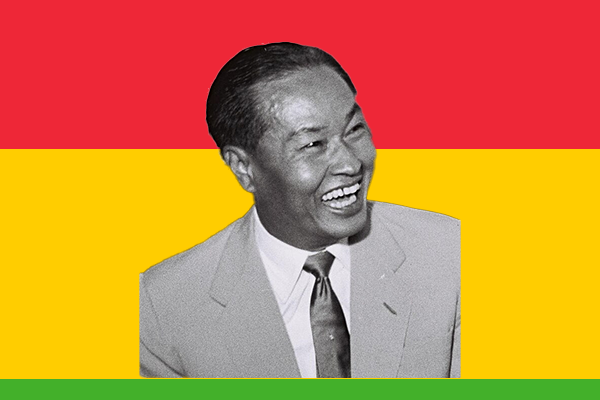
He was succeeded by Ba U (1952–1957), who played an important role in stabilizing the new nation and supporting democratic institutions during a challenging post-independence period.
Military Rule and the Abolishment of the Presidency
In 1962, General Ne Win led a military coup that overthrew the civilian government. Under his rule, the traditional presidency was largely ceremonial or replaced by military-controlled councils. From 1974, Ne Win held power as President of the Socialist Republic of the Union of Burma (1974–1981) under a one-party system. This period was marked by authoritarian governance, economic isolation, and centralized control.
After Ne Win, several leaders served as presidents under the socialist or military-dominated system, including San Yu (1981–1988). Following nationwide protests in 1988, the military again took direct control, and for many years Myanmar had no meaningful civilian presidency.
Return of the Presidency under the 2008 Constitution
The presidency was re-established under the 2008 Constitution, which allowed a controlled transition to civilian rule while reserving significant power for the military.
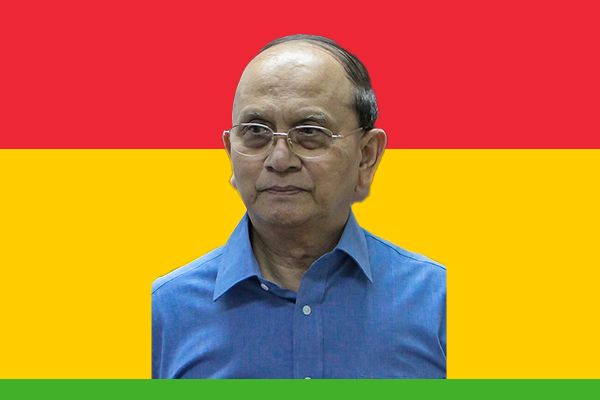
Thein Sein (2011–2016) became the first president of this new era. A former general, he initiated political and economic reforms, released political prisoners, and improved relations with the international community. His presidency marked a turning point in Myanmar’s modern history.
Democratic Transition and Political Instability
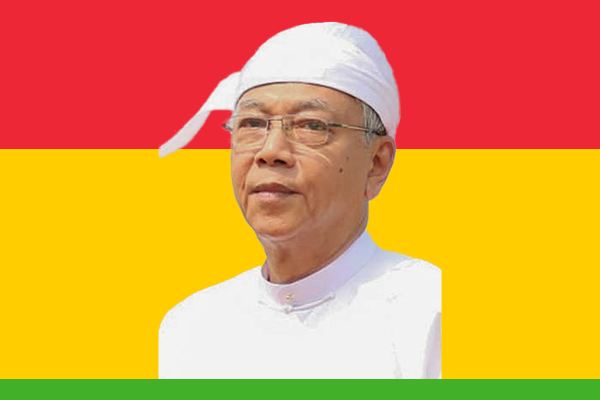
In 2016, Htin Kyaw (2016–2018) became Myanmar’s first civilian president in decades. Although he held the formal office, real influence remained with Aung San Suu Kyi, who served as State Counsellor. Htin Kyaw resigned due to health reasons and was succeeded by Win Myint (2018–2021), another close ally of Aung San Suu Kyi.
Military Takeover and Acting Presidents
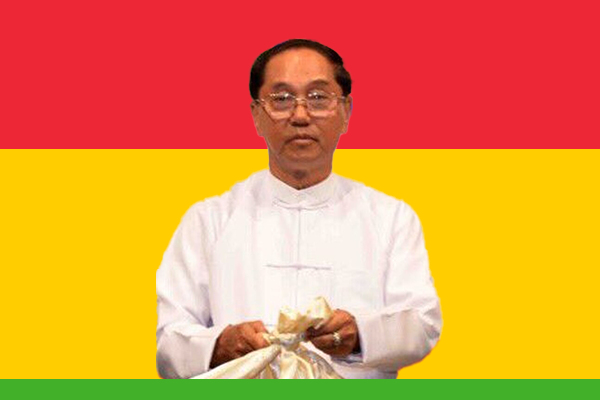
In February 2021, the military staged another coup, detaining civilian leaders. Myint Swe, a former general, was appointed Acting President, while real authority shifted to the military leadership. Since then, the presidency has functioned largely as a constitutional formality under military control.
Conclusion
The history of Myanmar’s presidents reflects the country’s struggle between democracy and military dominance. From early democratic leaders to military-backed presidents, the office has mirrored Myanmar’s complex political journey and ongoing challenges.